Yazılar

Taiwan Anticipates Minimal Impact from Trump’s Tariffs on Chip Exports

Taiwan does not expect significant disruption to its semiconductor exports from tariffs proposed by U.S. President-elect Donald Trump, according to Economy Minister Kuo Jyh-huei. The island, home to the world’s largest contract chipmaker, Taiwan Semiconductor Manufacturing Co. (TSMC), is a pivotal player in the global tech supply chain, supplying companies like Apple and Nvidia.

While Taiwanese officials acknowledge that U.S. tariffs could negatively affect overall economic growth in Taiwan—an export-dependent economy—Kuo emphasized that Taiwan’s semiconductor sector would largely be shielded from these changes. He pointed out that Taiwan’s technological edge in semiconductor manufacturing gives it an advantage that cannot easily be replicated, limiting the impact of any potential tariffs.

Trump has pledged to impose a blanket 10% tariff on all global imports, along with higher tariffs specifically targeting Chinese goods. He also committed to a 25% tariff on imports from Canada and Mexico upon taking office on January 20.

In response to these developments, Taiwan plans to assist companies in relocating supply chains to the United States, helping mitigate the impact of tariffs by shifting operations where necessary. Kuo also highlighted efforts to foster growth in Taiwan’s aerospace sector, suggesting that some of the island’s aerospace research and development centers could relocate to the U.S. Additionally, Taiwan plans to open an office in Japan by mid-2025 to facilitate investments and collaboration on artificial intelligence (AI) and drone technology.


Honda and Nissan in Talks for Potential Merger Amid Rising Competition

Honda and Nissan are reportedly in discussions to deepen their partnership, which could include a possible merger, according to sources on Wednesday. This move signals the increasing pressure on Japan’s automotive industry as it faces fierce challenges from EV leaders like Tesla and emerging Chinese automakers such as BYD.

Potential Scale of the Merger

If a merger proceeds, the combined entity would be valued at $54 billion, producing 7.4 million vehicles annually, ranking it as the world’s third-largest automaker behind Toyota and Volkswagen. The two companies already entered a strategic partnership in March to collaborate on electric vehicle (EV) development. However, worsening financial difficulties for Nissan have created urgency for closer ties.

Nissan’s Struggles and the Case for Collaboration

Nissan has been grappling with declining sales in the U.S. and China, which led to an 85% plunge in Q2 profits. Last month, the company announced a $2.6 billion cost-cutting plan, including eliminating 9,000 jobs and reducing production capacity by 20%. Analysts suggest the merger could serve as a rescue move for Nissan while also helping Honda address future challenges in EV development and cash flow.

“Honda’s EV ventures have struggled, and its cash flow could deteriorate next year. This deal, while aiding Nissan, is also forward-looking for Honda,” said Sanshiro Fukao, an executive fellow at Itochu Research Institute.

Market Reactions

The possibility of a merger caused Nissan shares to surge 24%, while Honda shares dropped 3%. Mitsubishi Motors, in which Nissan holds a 24% stake, saw its shares climb nearly 20%. The news also boosted shares of Renault, Nissan’s largest shareholder, by 6.7%.

Broader Challenges in the Auto Industry

The discussions come amidst intensifying global competition. An EV price war initiated by Tesla and BYD has created additional pressure on automakers struggling to stay competitive in the next-generation vehicle market. Moreover, geopolitical concerns, including U.S. President-elect Donald Trump’s threats of heavy tariffs on vehicles imported from Canada and Mexico, add to the uncertainty.

A Honda-Nissan merger could provide a new competitive axis against Toyota, which dominates the Japanese auto market. However, experts warn that such a partnership must overcome significant obstacles.

Cultural and Strategic Challenges

Analysts highlight potential difficulties in reconciling the different corporate cultures of Honda and Nissan. Honda is known for its technology-focused approach, particularly in powertrains, while Nissan’s recent struggles have raised concerns over its strategic direction.

“Mergers between major automakers rarely yield significant benefits due to culture clashes and strategy misalignments,” stated S&P Global Ratings. Tang Jin, a senior researcher at Mizuho Bank, added, “Honda’s tech-driven culture may resist a merger with a struggling competitor like Nissan.”

Broader Implications and Next Steps

The automakers are reportedly exploring ways to collaborate, such as establishing a holding company, with the possibility of a full merger under discussion. Additionally, there are plans for deeper cooperation with Mitsubishi.

Renault, Nissan’s largest shareholder, has expressed openness to a deal but will examine its implications. Meanwhile, Taiwan’s Foxconn, which has been expanding into EV manufacturing, unsuccessfully approached Nissan with a bid to take a controlling stake.

The three Japanese automakers are expected to hold a joint press conference on Monday in Tokyo, potentially to outline their plans for deeper collaboration.


China’s State Media Commends U.S. Firms Amid Trade War Fears

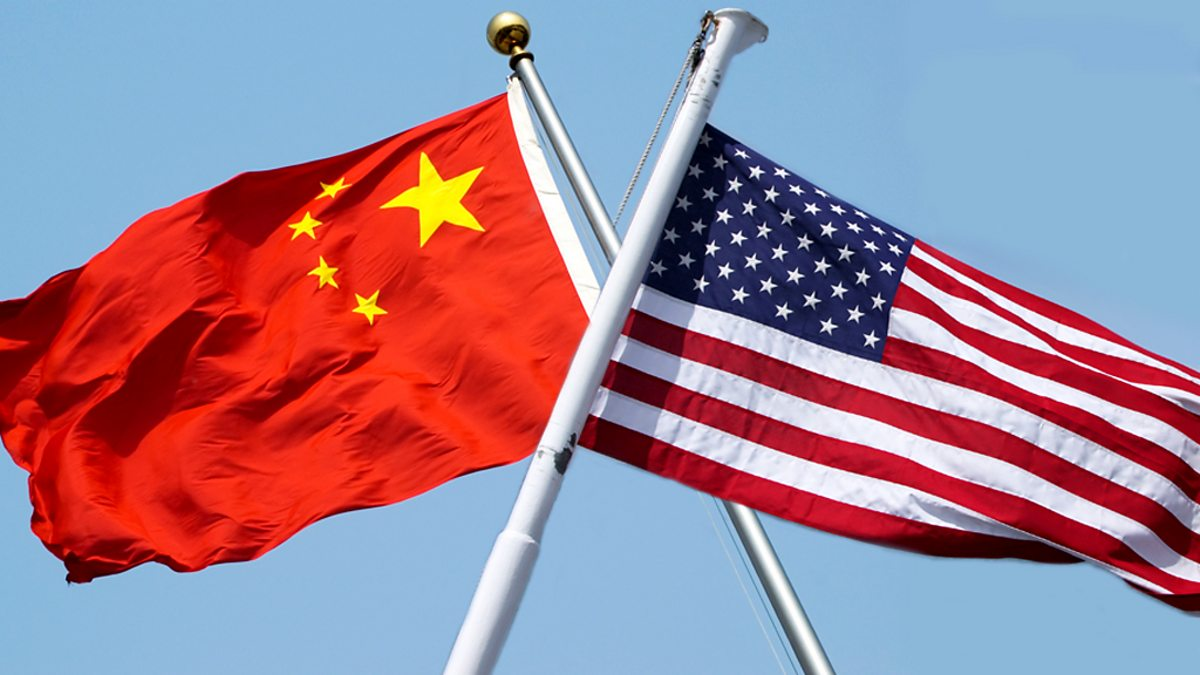
Chinese state media have commended select U.S. companies for their “strong collaboration,” amidst escalating concerns over a renewed trade war as Donald Trump prepares to assume the U.S. presidency on January 20. These remarks echo media strategies used during Trump’s first term, where corporate behavior toward China was scrutinized for hints of favorability or potential penalties.

The Global Times, a state-owned outlet, highlighted companies like Apple, Tesla, Starbucks, and HP for their productive partnerships in China. It emphasized the importance of U.S. policymakers recognizing and fostering an environment conducive to such trade collaborations. Similarly, the China Daily referenced Morgan Stanley’s recent regulatory approval to expand operations in China as evidence of continued foreign interest in the Chinese market.

Trump’s Tariff Threats and Chinese Responses

Trump has announced plans for a 10% tariff on Chinese goods, citing Beijing’s insufficient action in addressing the opioid crisis fueled by Chinese-made chemicals. On the campaign trail, he proposed tariffs exceeding 60% on Chinese imports, signaling a tough stance on trade.

During Trump’s first presidency, China unveiled its “Unreliable Entity List,” threatening restrictions on U.S. companies like Apple, Cisco, and Qualcomm. While the list remained largely symbolic, targeting only firms involved in arms sales to Taiwan, it underscored tensions between the two nations.

Beijing appears cautious this time. Experts like Bo Zhengyuan, a Shanghai-based consultant, believe China will avoid immediate retaliation after any formal U.S. tariff announcement, given its fragile economy. However, longer-term measures could follow if China’s commercial interests are significantly impacted.

Business Sentiments and Strategic Implications

The strained trade relations have left U.S. businesses wary. A September survey by the American Chamber of Commerce in Shanghai found only 47% of U.S. firms optimistic about their five-year business prospects in China. American executives have noted the indirect nature of policy communication during trade disputes, often relying on state media to discern Beijing’s priorities and potential threats.

Despite these challenges, China is signaling its desire to maintain robust partnerships with U.S. firms, potentially as a buffer against a new wave of tariffs. Yet, retaliation remains an option if the economic or political pressure intensifies.

Both nations face a delicate balancing act: the U.S. in pursuing aggressive trade policies without alienating American businesses, and China in defending its economic interests while preserving foreign investment amid a slowing economy.