Yazılar

Harris Courts Union Workers in Key Swing States with Biden’s Support Amid U.S. Steel Controversy

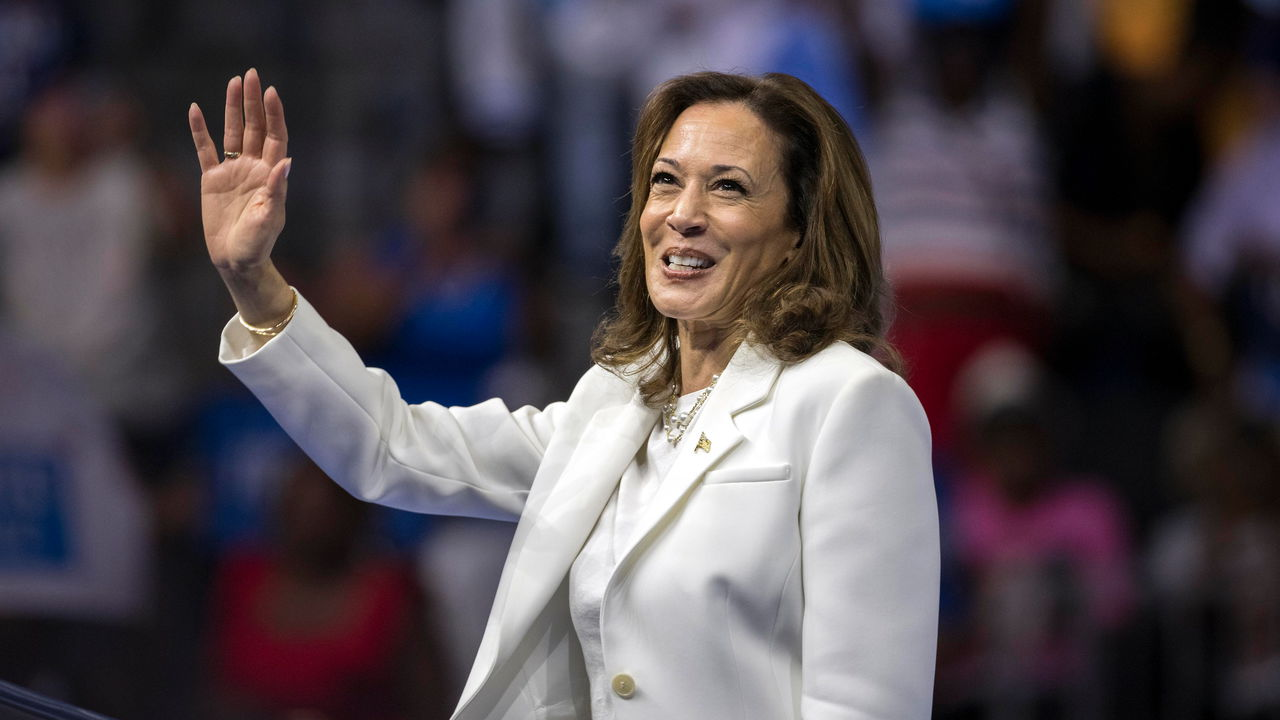
On Labor Day, Kamala Harris joined President Joe Biden at a rally in Pittsburgh, aiming to solidify support from union workers in critical battleground states like Pennsylvania and Michigan. The event marked the first joint appearance of Harris and Biden since she officially became the Democratic presidential nominee, underscoring the importance of courting working-class voters, a key demographic also being targeted by her opponent, Donald Trump.

Harris voiced concerns over the potential acquisition of U.S. Steel by Japan’s Nippon Steel, stressing the importance of keeping the historic American company under domestic ownership. “U.S. Steel should remain American-owned and American-operated,” she said, aligning her stance with Biden’s pro-union agenda, which has been central to his presidency.

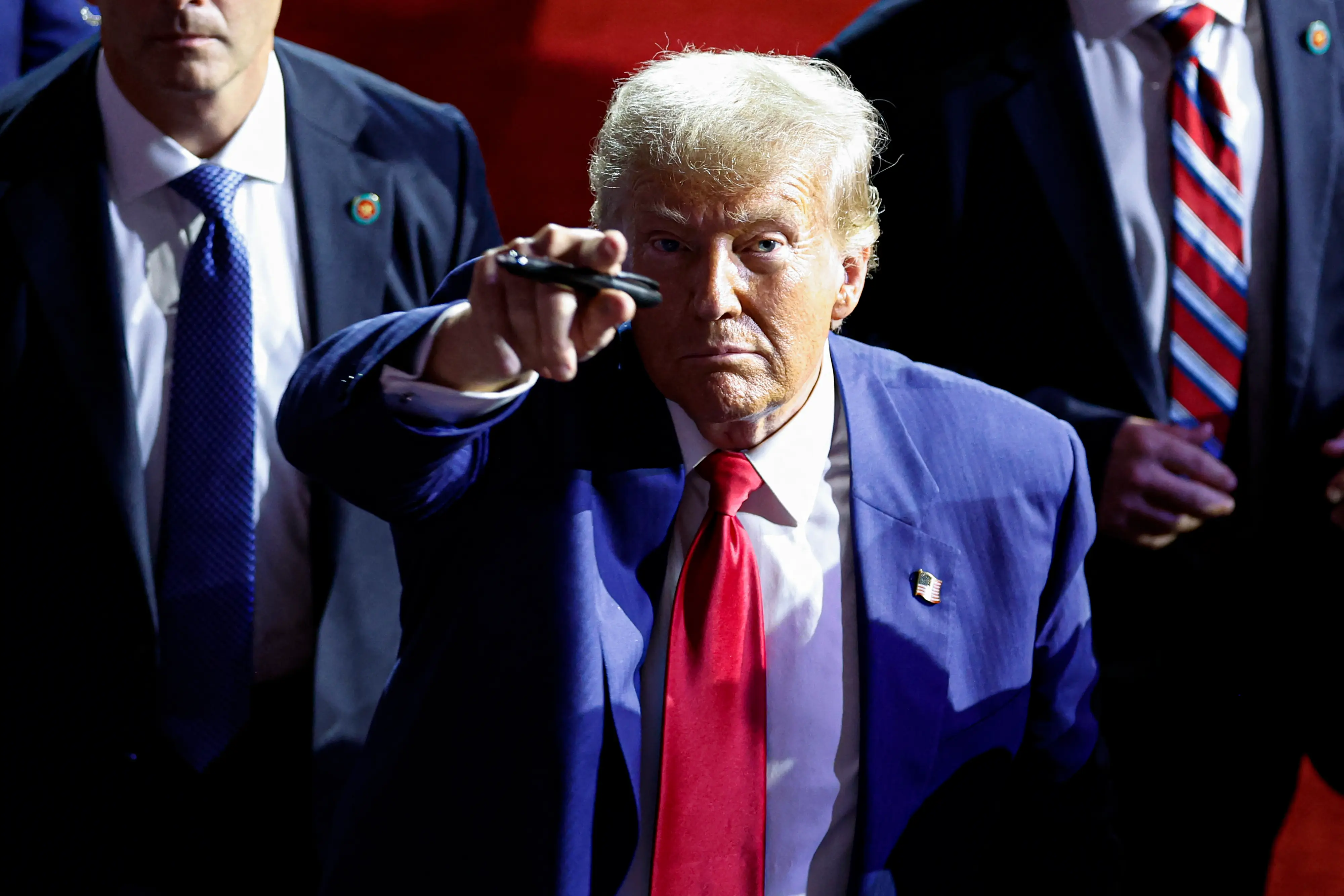
The labor vote remains a pivotal focus for both the Harris and Trump campaigns as they vie for support in swing states like Pennsylvania, where unionized workers hold significant influence. Trump, who did not make any public appearances on Labor Day, has similarly opposed the U.S. Steel deal, framing it as a threat to American jobs and security. The Harris campaign, however, seized the opportunity to mock Trump for his absence, posting on X that he was likely “golfing.”

Despite a Reuters/Ipsos poll showing Harris leading Trump by a slim margin nationally, the race remains tight, with both candidates ramping up their outreach efforts. While Harris is leveraging her campaign to maintain the momentum from her nomination, Trump continues to attract blue-collar voters with his promises of economic nationalism and job protection.

The backdrop of the Gaza conflict, however, loomed over campaign activities. As Harris and Biden met with U.S. hostage negotiation teams in Washington, their administration faced criticism for its approach to the Gaza ceasefire negotiations. Pro-Palestinian activists, opposing U.S. support for Israel, staged large protests, raising the potential for more demonstrations along Harris’s campaign trail in the weeks ahead.

With both campaigns seeking to capture the labor vote while navigating the complexities of international conflicts, the election remains fraught with challenges that could sway voters in unexpected ways.

Trump’s Government Cuts Could Hurt Republicans in Key House Race

For nearly a decade, former President Donald Trump has championed shrinking the federal government and “draining the swamp.” However, one Republican running in a critical House race is stepping back from Trump’s plans, which could severely impact the economy in his district.

Derrick Anderson, the Republican candidate for Virginia’s seventh congressional district, is distancing himself from Trump’s proposals to move 100,000 federal workers out of the D.C.-Maryland-Virginia region and to fire “rogue bureaucrats.” These policies, while resonating with Trump’s base, could deal a blow to an area where nearly 60,000 federal employees live. Federal contractors also contribute significantly to the local economy.

Anderson said he would oppose any legislation that might harm jobs or increase the cost of living in his district, adding, “This is my home district, and I’ll do everything I can to protect it.”

Anderson’s race is among the most competitive in the country, and his selective alignment with Trump reflects a broader strategy Republicans are employing in districts that supported President Biden in 2020. To enact their 2025 agenda, Republicans need to win in several such swing districts.

Anderson faces Democrat Eugene Vindman, brother of Alexander Vindman, who testified against Trump in the 2019 impeachment trial. Vindman’s campaign has far outpaced Anderson’s in fundraising, with $7.5 million raised compared to Anderson’s $1.4 million by June 30.

Trump’s plans, part of his “Agenda 47,” also include making it easier to fire civil servants and replacing them with political appointees under a controversial “Schedule F” executive order. This move could affect tens of thousands of federal employees, particularly in Virginia’s seventh district.

Eugene Vindman warns that Trump’s plan would devastate the local economy, affecting not just federal employees but also contractors and other associated jobs. Economic analysts estimate that losing 100,000 federal jobs could eliminate 160,000 jobs in total, resulting in a projected $27-28 billion hit to Virginia’s economy.

Trump’s proposals could turn the Virginia-O7 race into a referendum on the role of federal workers, with potentially far-reaching consequences for Republicans in 2024.
Analysis: The Future of Net Neutrality Under a Trump Presidency

The journey of net neutrality towards federal protections against broadband meddling has been a rollercoaster ride, characterized by shifts in policies and regulatory frameworks. The current trajectory suggests that the fate of net neutrality may hinge on the outcome of the upcoming election in November. Devamını Oku