Yazılar

Trump Accuses Taiwan of Undermining U.S. Chip Industry: Election Impacts on Semiconductor Sector

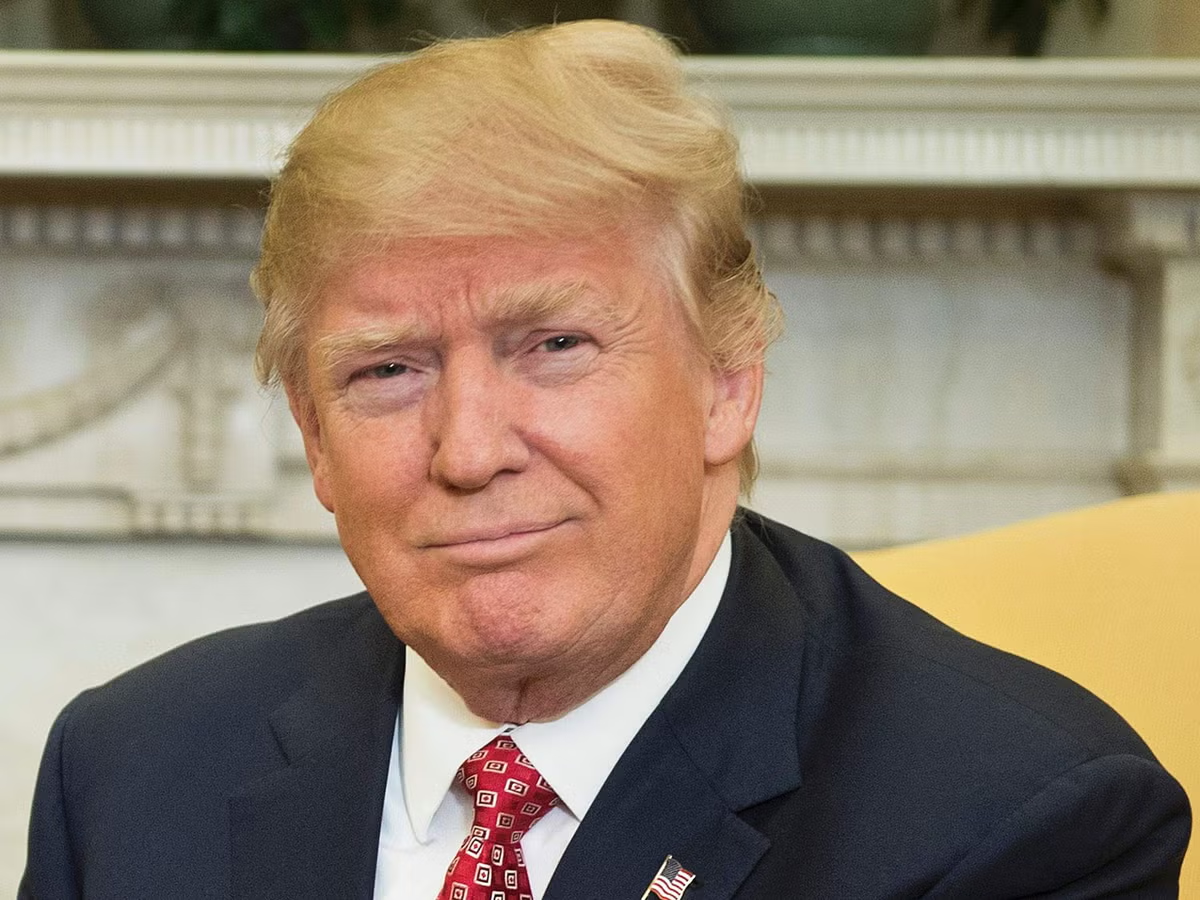
In a recent appearance on the Joe Rogan Experience podcast, former President Donald Trump criticized Taiwan, accusing it of “stealing” the U.S. semiconductor business. Trump argued that Taiwan has leveraged its chip production dominance unfairly, targeting Taiwan Semiconductor Manufacturing Company (TSMC), the world’s leading chipmaker and a crucial supplier for companies like Nvidia and Apple. Trump’s remarks come amid heightened geopolitical tensions with China, which regards Taiwan as part of its territory and has increased military activities around the island.

Shares of TSMC dropped by 4.3% following Trump’s comments and renewed his stance on imposing tariffs on Taiwanese chip imports if elected. Analysts warn that tariffs could significantly impact TSMC and the U.S. tech industry’s reliance on Taiwanese chip production.

Impact on the Semiconductor Supply Chain

Taiwan manufactures over 90% of advanced semiconductors, with tech giants like Amazon, Google, and Microsoft sourcing chips from TSMC. Despite U.S. efforts to bolster its own semiconductor infrastructure through the CHIPS Act, which allocates funding to domestic production, alternatives to TSMC’s advanced production capacity remain limited. U.S.-based Intel has faced delays and competition challenges, although its new U.S. foundries are expected to benefit from CHIPS Act funding.

The Biden administration has directed nearly $7 billion from the U.S. Commerce Department toward TSMC’s Arizona facility, expected to start volume production by 2025. However, Trump’s comments on foreign companies potentially misusing U.S. funds reflect concerns over U.S. reliance on Taiwan’s chip output.

Tariff and Trade War Implications

Trump’s proposal for tariffs on Taiwanese chips could create cost increases across the chip supply chain. Citi analysts estimate that implementing tariffs would require complex audits, given the variety of chips across thousands of devices. Historically, similar tariffs led to increased costs and broader trade tensions, which, according to Moor Insights & Strategy CEO Patrick Moorhead, could elicit retaliatory tariffs from China. A new trade war might strain U.S.-China relations and further restrict companies like Micron, which already face barriers in the Chinese market.

Despite Trump’s stance, experts warn that even a victory by Vice President Kamala Harris would not exempt the industry from trade restrictions. Under the Biden administration, stringent export controls on semiconductor sales to China were implemented, particularly affecting Nvidia, whose revenue from China plummeted after controls reduced its China sales share from 25% to under 10%.

Outlook for U.S. Semiconductor Strategy

Trump’s criticisms reflect broader calls for self-reliance within the semiconductor sector, mirroring concerns over U.S. vulnerability due to Taiwan’s dominance in chip manufacturing. Proposals to further support domestic companies like Intel, Texas Instruments, and Global Foundries align with Trump’s America-first trade strategy, which could prioritize U.S. fabs and incentivize domestic chip production if he is re-elected.

U.S. tech markets remain volatile amid these policy uncertainties. Following Trump’s comments, semiconductor stocks reacted, with TSMC declining and U.S.-based chipmakers showing gains on the prospect of potential government backing. However, tariffs and trade restrictions could have sweeping consequences, potentially leading to higher costs and supply chain disruptions for the global tech sector.
Turmoil at The Washington Post as Bezos Remains Silent on Non-Endorsement

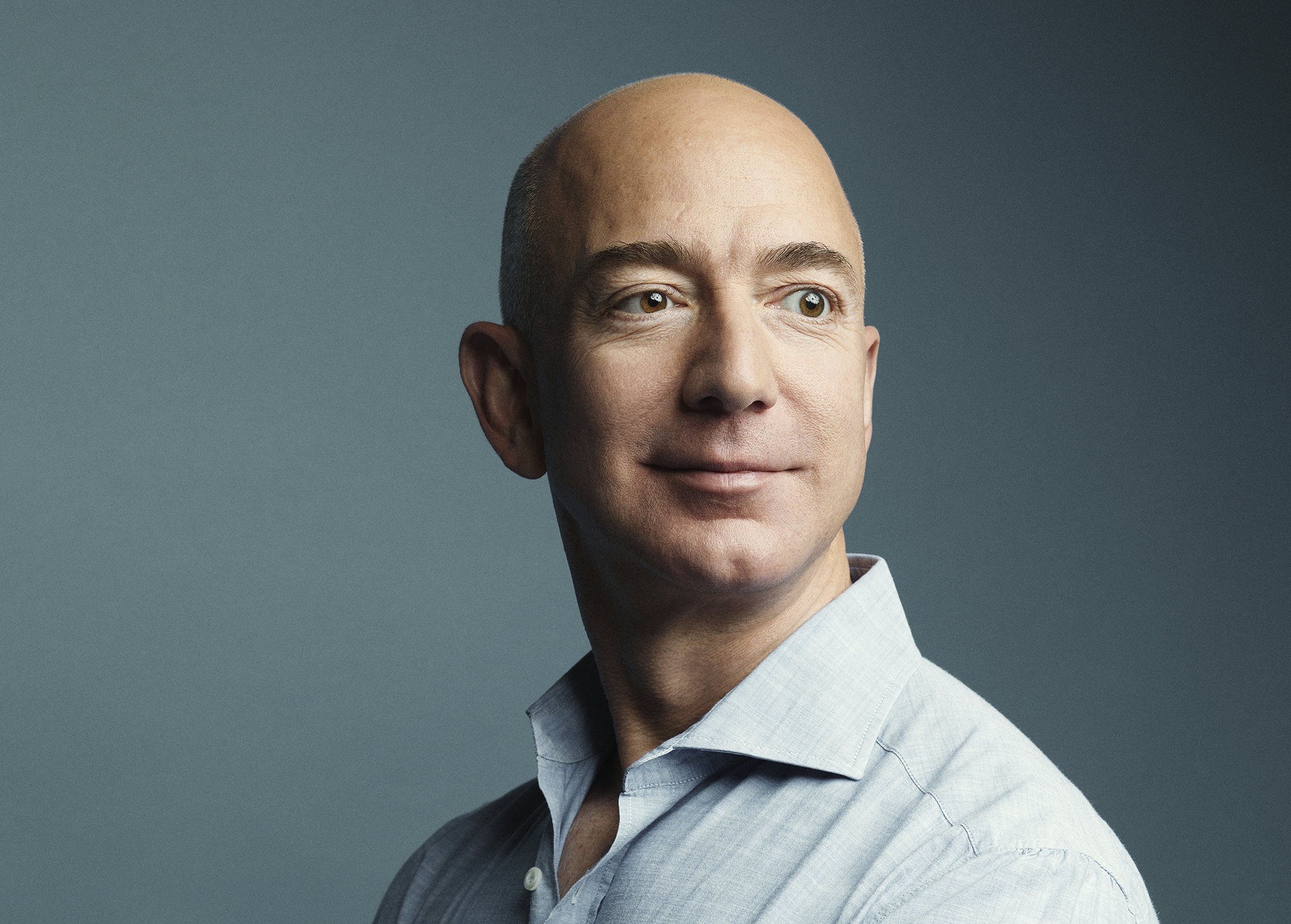
The Washington Post is facing internal chaos following its announcement that it would not endorse a presidential candidate in the upcoming election. This decision has raised eyebrows, particularly regarding the role of its billionaire owner, Jeff Bezos, who has chosen to remain silent amid the fallout.

Background of the Non-Endorsement

  • Announcement: The Post revealed its non-endorsement stance just 11 days before the election, sparking immediate backlash from staff and critics alike. According to sources, a draft endorsing Vice President Kamala Harris had been prepared before it was abruptly canceled, reportedly at Bezos’s behest.
  • Internal Reactions: The announcement has led to resignations, including at least one editor, and a wave of discontent among journalists, particularly within the Opinion section. Many staffers are questioning the motivations behind the timing of the decision, suspecting it may have been influenced by Bezos’s business interests.

Reactions from Former Leadership

  • Marty Baron, Former Executive Editor: Baron expressed that the non-endorsement decision reflects “cowardice,” arguing that it seems disingenuous to proclaim a principle just days before the election. He highlighted the pressure Bezos has faced from Trump and criticized the current leadership for their handling of the situation.
  • Publisher Will Lewis’s Defense: In a statement to CNN, Lewis refuted claims that Bezos had any direct involvement in the decision, emphasizing the newspaper’s independence and his belief that endorsements could compromise the reader’s ability to form their own opinions.

Staff Sentiment and Consequences

  • Divergent Opinions: While some staff members support the decision not to endorse, the overall sentiment is one of frustration regarding the timing. One journalist stated that the announcement places the paper in a “lose-lose position,” while others voiced concerns about potential subscription cancellations affecting the newsroom’s viability.
  • Robert Kagan’s Resignation: Kagan, a longtime columnist, resigned in protest, labeling the move a strategy to appease Trump, who has made threats against Bezos’s business interests. Kagan emphasized the potential repercussions for Bezos’s companies stemming from Trump’s political maneuvers.

Broader Implications for Democracy

  • Concerns from Renowned Journalists: Legendary Post journalists Bob Woodward and Carl Bernstein expressed disappointment in a joint statement, asserting that the decision contradicts the paper’s historical stance against threats to democracy, particularly regarding Trump.
  • Collective Staff Statement: A group of 17 Post opinion columnists issued a statement condemning the non-endorsement, framing it as a fundamental failure of the newspaper’s editorial mission.

Political Context

  • Trump’s Reaction: The non-endorsement has been seized upon by Trump’s campaign, which has used the Post’s decision to criticize Harris. Trump met with Blue Origin executives the day of the announcement, further fueling speculation about the intersection of Bezos’s business interests and the newspaper’s editorial decisions.

The Washington Post’s current turmoil raises critical questions about the influence of ownership on editorial decisions and the role of major media outlets in shaping political discourse. The fallout from this decision may have lasting effects on both the paper’s credibility and its relationship with its audience.

Biden Criticizes Elon Musk’s Immigration Hypocrisy at Pennsylvania Campaign Event

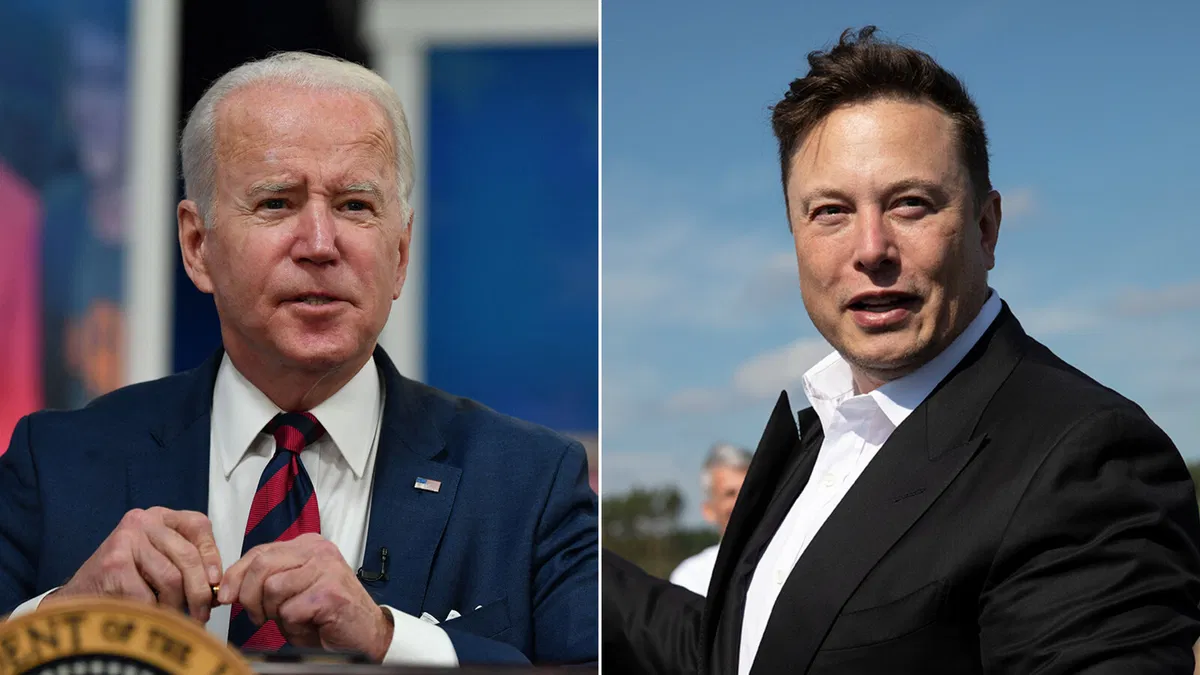
During a campaign event in Pittsburgh, Pennsylvania, President Joe Biden publicly criticized Elon Musk, CEO of Tesla and SpaceX, for his perceived hypocrisy regarding immigration policies. Biden referred to Musk’s early career in the U.S., stating that he began as an “illegal worker” before amassing his wealth. This remark comes amidst Musk’s increasing alignment with former President Donald Trump and his campaign efforts.

Biden’s comments highlighted Musk’s past, stating, “The wealthiest man in the world turned out to be an illegal worker here when he was here.” He elaborated that Musk was in violation of his student visa, as he was not attending school during his initial time in the U.S. Instead, he began developing his first startup, Zip2, without the necessary work authorization.

Key Points from Biden’s Remarks

  • Hypocrisy on Immigration: Biden criticized Musk for speaking against undocumented immigrants while having violated U.S. immigration laws himself.
  • Border Policy Context: The President also took the opportunity to address broader immigration issues, asserting that the number of illegal crossings at the border is lower than during Trump’s presidency. He accused Trump and Republicans of failing to address the immigration system effectively.

Musk’s Recent Activities

Musk has been actively campaigning for Trump in Pennsylvania, including hosting town hall events and distributing lottery-style prizes to incentivize voter participation in his pro-Trump group, America PAC. His recent activities have sparked discussions about his influence on swing state voters and his political alliances.

Legal Background

A Washington Post report corroborated Biden’s remarks, detailing how Musk worked in the U.S. before securing a work visa in 1996. The report noted concerns from investors about Musk’s immigration status, which prompted them to support his visa application. Musk, originally intending to pursue graduate studies at Stanford, ultimately founded Zip2, which sold for approximately $300 million in 1999, paving the way for his subsequent ventures.

Criticism of Trump’s Immigration Policies

Biden also contrasted Musk’s wealth and influence with Trump’s immigration proposals, which include plans for significant deportations and revoking visas for specific groups. This dialogue underscores the ongoing tensions surrounding immigration policy in the U.S. and the contrasting views of the two political figures.

Misinformation on Voting

In addition to his immigration stance, Musk has propagated claims regarding noncitizen voting, which Biden highlighted as unfounded. Studies, including those from the Brennan Center for Justice, show that voter fraud is exceedingly rare in the U.S., with misinformation often being a result of errors rather than intentional misconduct.