
Yazılar

Trump Threatens to Demand U.S. Control of Panama Canal Over “Excessive Rates”

President-elect Donald Trump took to Truth Social on Saturday, accusing Panama of charging “ridiculous” fees for the use of the Panama Canal. He warned that if the canal was not managed to U.S. satisfaction, he might demand that Panama hand over control of the waterway to the United States.

In his post, Trump raised concerns about potential Chinese influence over the canal, stating it must not fall into “the wrong hands.” His remarks underscore what many expect to be a more aggressive stance in U.S. diplomacy during his presidency. Trump’s rhetoric has frequently involved strong-arm tactics with allies and bold declarations on international matters.

History of U.S.-Panama Canal Relations

The Panama Canal, a critical waterway for global trade, was constructed largely under U.S. oversight in the early 20th century. For decades, the U.S. managed the canal and the surrounding territory. However, the canal was fully transferred to Panamanian control in 1999 following a 1977 treaty signed by President Jimmy Carter that gradually shifted its administration to Panama.

Trump’s Justification for Reclaiming the Canal

Trump’s post framed the canal’s handover as an act of U.S. “generosity” toward Panama, asserting that this magnanimous gesture was based on principles of cooperation. He accused Panama of breaching these principles through its current fee structure.

“The fees being charged by Panama are ridiculous, especially knowing the extraordinary generosity that has been bestowed to Panama by the U.S.,” Trump wrote. “If the principles, both moral and legal, of this magnanimous gesture are not followed, then we will demand that the Panama Canal be returned to us, in full, and without question.”

Diplomatic Fallout and Concerns Over Chinese Influence

Trump’s comments also hinted at fears of Chinese involvement in the management of the canal, a strategic passage connecting the Atlantic and Pacific Oceans. While Trump did not provide specific evidence, his statement reflects broader U.S. concerns about growing Chinese influence in Latin America.

The Panamanian embassy in Washington has not yet responded to Trump’s comments.

Implications for U.S.-Panama Relations

Trump’s remarks mark a rare instance of a U.S. leader suggesting the possibility of demanding territorial control from a sovereign ally. The comments may strain U.S.-Panama relations and raise questions about how Trump’s administration will approach long-standing diplomatic agreements.
 

Trump Nominees Gaetz and Hegseth Ready to Shake Up Agencies

Trump’s Cabinet Picks: Gaetz and Hegseth Eye Major Reforms

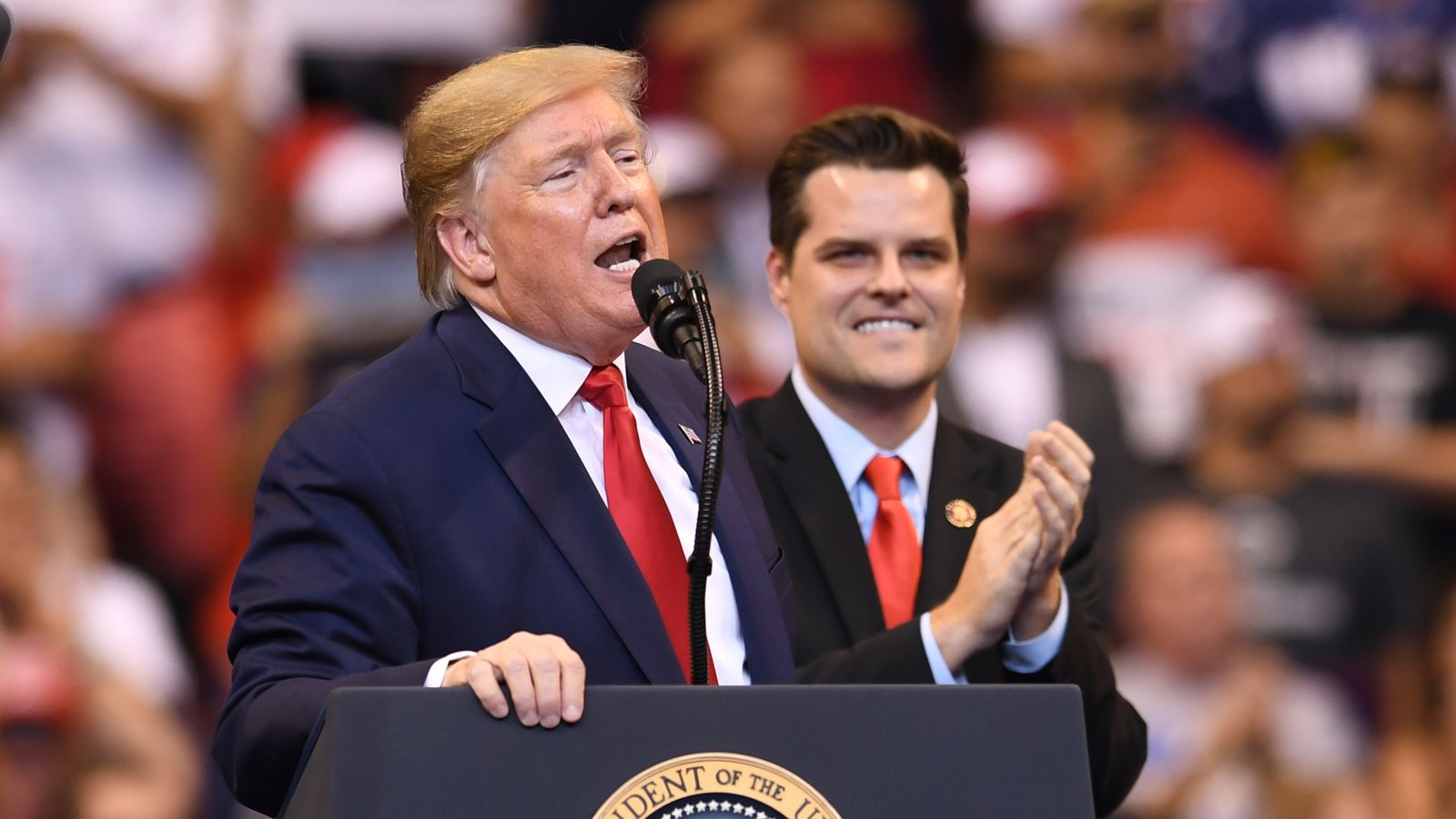
President-elect Donald Trump’s cabinet picks for Attorney General and Pentagon chief—Matt Gaetz and Pete Hegseth—bring a combative attitude to their nominations, both motivated by grievances against the institutions they are set to lead. Gaetz, nominated for Attorney General, and Hegseth, tapped for Defense Secretary, have both faced significant personal and professional conflicts with the agencies they aim to transform.


Gaetz’s Rejection of DOJ and Hegseth’s Military Grievances

Matt Gaetz, 42, was nominated after resigning from his congressional seat. Gaetz, who faced a federal investigation into sex trafficking charges—though no charges were ultimately filed—has expressed disdain for the Justice Department. His stance includes a proposal to dismantle key federal agencies like the FBI and ATF, which he has described as “weaponized.” Gaetz’s commitment to restructuring the Department of Justice aligns with Trump’s broader mission of reforming the federal government.

Meanwhile, Pete Hegseth, 44, a former National Guard officer, has criticized the military leadership, particularly after being allegedly told to step down from guard duty during Biden’s inauguration due to concerns over his tattoos. Hegseth feels sidelined by the military, despite his decorated service. His views on military reform include opposing efforts to diversify the Armed Forces and barring women from combat roles. Hegseth’s military background and his grievances against the Pentagon are expected to influence his approach to the department.


Activism and Vindication: Gaetz and Hegseth’s Motivations

Both Gaetz and Hegseth have expressed a desire for significant reforms, driven in part by personal experiences of rejection and a belief that the institutions they would lead need to be overhauled. Their activism is seen as aligning with Trump’s promise to disrupt Washington and shake up the bureaucratic establishment.

“They are pledging a disruptive level of activism targeted directly at the departments they are being asked to oversee,” said David Jolly, a former Republican congressman. This disruption is a central tenet of Trump’s second term agenda, which includes purging what he sees as political adversaries and changing the status quo.


Confirmation Battle and Senate Relationship

The nominations of Gaetz and Hegseth may test Trump’s relationship with the newly elected Republican-majority Senate. Some senators may challenge the confirmation of nominees with controversial backgrounds, and Trump has hinted at using “recess appointments” to bypass the Senate if necessary.

“The threat level with Matt Gaetz is considerable,” said Columbia University criminal law professor Daniel Richman, citing concerns that Gaetz could use the Justice Department to target political enemies. Gaetz’s confirmation would likely signal a strong shift toward Trump’s revenge-driven agenda, with support from loyalists within the agency.

Hegseth’s Pentagon role could see him implementing purges of military leaders who disagree with Trump’s policies, particularly those involved in the 2021 withdrawal from Afghanistan. Trump’s transition team is already drawing up plans to overhaul Pentagon leadership and push for firings.

Putin Open to Talks with Trump, But Ukraine Demands Remain Firm, Says Kremlin

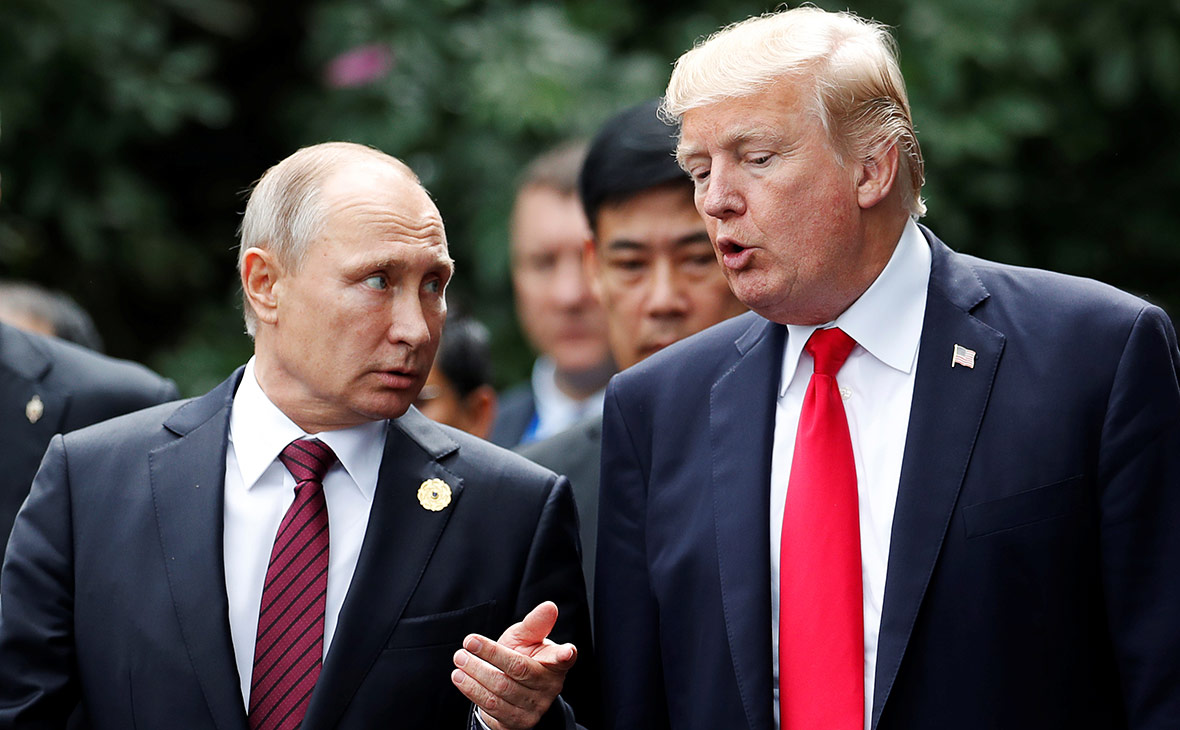
Russian President Vladimir Putin is reportedly open to discussing the Ukraine conflict with U.S. President-elect Donald Trump, though he remains resolute in his demands regarding Ukraine, the Kremlin confirmed on Friday. Dmitry Peskov, Putin’s spokesperson, emphasized that Moscow’s objectives in Ukraine have not shifted and that Putin has no intention of revising these terms.

When questioned about whether Putin’s willingness to communicate with Trump indicates any flexibility in Russia’s stance, Peskov clarified that Russia’s goals remain unchanged. “The president has never suggested a shift in the objectives of the special military operation. He has repeatedly emphasized that they are consistent,” said Peskov. He underscored that Russia’s goals pertain to securing the nation’s interests and protecting Russian citizens in the contested areas.

As of mid-2023, Putin’s terms for ending the war require Ukraine to abandon NATO aspirations and withdraw its military from the four regions—Donetsk, Luhansk, Kherson, and Zaporizhzhia—that Russia claims as its own. Ukraine has dismissed these conditions, with President Volodymyr Zelenskiy asserting that accepting such terms would amount to surrender. Instead, Zelenskiy has presented a “victory plan” calling for increased Western military assistance to achieve a decisive Ukrainian win.

Trump, who has previously criticized extensive U.S. support for Ukraine, has suggested he could end the conflict within 24 hours if given the opportunity, though he has not specified his approach. Zelenskiy expressed skepticism over Trump’s promise, warning that a quick resolution could entail significant losses for Ukraine. “If it’s just fast, it means losses for Ukraine. I just don’t yet understand how this could be in any other way,” Zelenskiy remarked.

In recent statements, Putin extended congratulations to Trump following his election win, commending his composure during an attempted assassination in July. He also expressed an openness to dialogue, describing Trump’s comments on resolving the Ukraine conflict as noteworthy. Trump himself has mentioned to NBC that he has not yet spoken with Putin but anticipates a conversation in the near future.

Peskov, however, noted that while there are no confirmed plans for a call between Trump and Putin, the Russian president remains open to dialogue. According to the Kremlin, current U.S.-Russia relations are at an all-time low due to Washington’s ongoing support for Ukraine and extensive sanctions on Russia.

Putin’s last direct communication with U.S. President Joe Biden occurred in February 2022, shortly before Russia’s military intervention in Ukraine. During that call, Biden warned Putin of a swift Western response should he proceed with the invasion.

The Kremlin has also dispelled rumors that Trump had spoken to Putin since leaving office, despite claims in journalist Bob Woodward’s book “War” suggesting otherwise. According to the book, an unnamed Trump aide claimed that Trump and Putin may have had as many as seven conversations since Trump exited the White House in 2021. The Kremlin, however, has denied such claims.