Yazılar

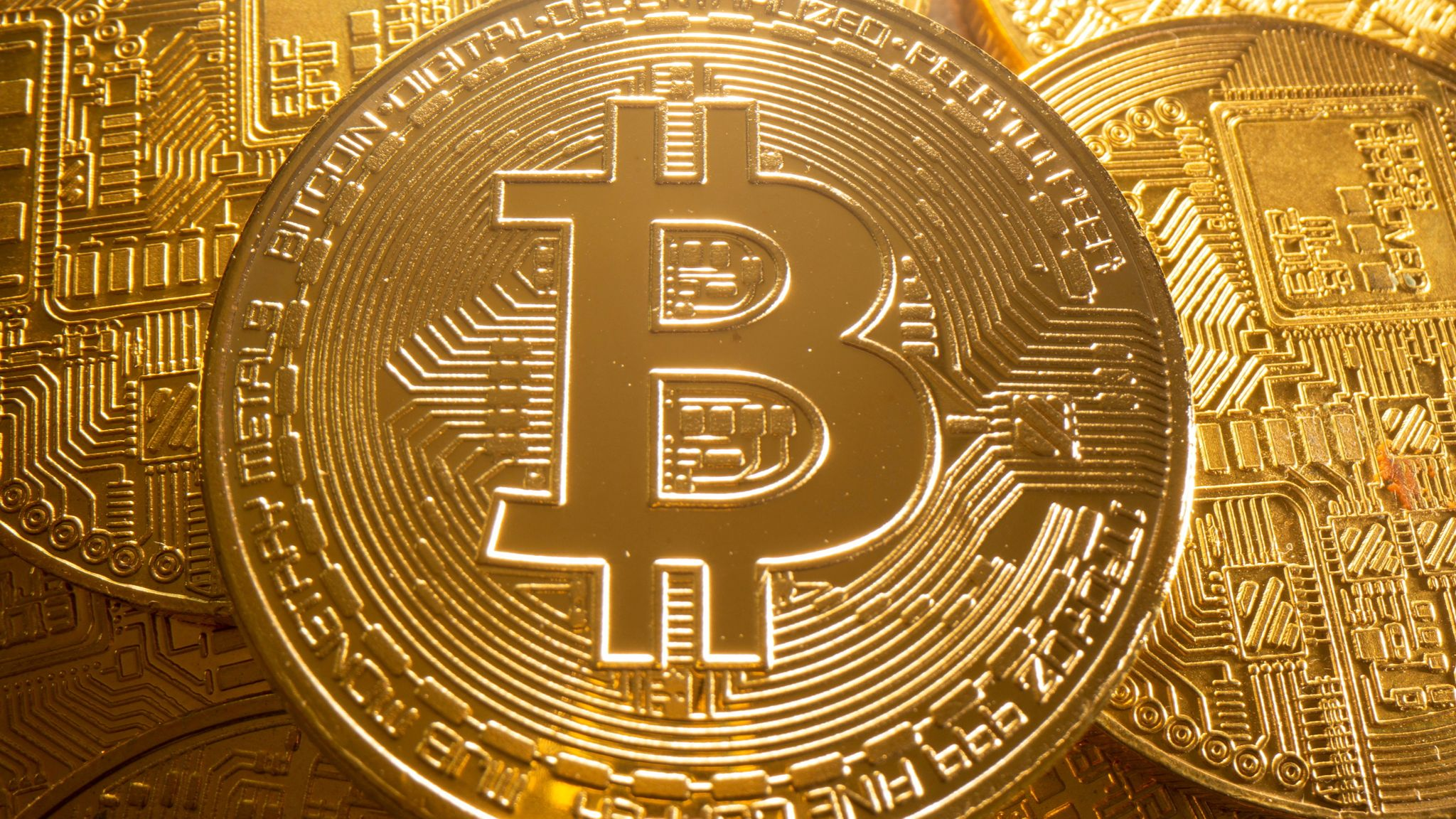
Bitcoin Surges in 2024, Fuelled by ETF Approval and Trump Optimism

Bitcoin has more than doubled in value in 2024, reaching new heights following the approval of exchange-traded funds (ETFs) tied to its spot price by U.S. markets regulators and growing optimism over regulatory changes with Donald Trump set to return to the White House. Earlier this month, the cryptocurrency hit a significant milestone, surpassing $100,000, sparking renewed excitement among its supporters.

The cryptocurrency sector has experienced substantial growth this year, with Bitcoin surging more than 120% and Ether, the second-largest cryptocurrency, rising nearly 50%. This surge has propelled the market’s overall value to approximately $3.5 trillion, according to data from CoinGecko. Analysts predict that the momentum will continue into 2025, with some projecting Bitcoin could reach $200,000 by late next year.

MicroStrategy, a software firm that has become the largest corporate holder of Bitcoin, has seen its stock price soar nearly five-fold in 2024. The company’s stock is now considered a proxy for Bitcoin, with its price movements closely linked to the sentiment surrounding the digital asset. Other smaller companies are following suit, allocating portions of their cash to Bitcoin.

In a client note, analysts at brokerage firm Bernstein stated that they expect Bitcoin to evolve into a premier “store of value” asset, potentially replacing gold within the next decade and becoming a staple of institutional multi-asset allocation and corporate treasury management.

The surge in Bitcoin’s value began in January when the U.S. Securities and Exchange Commission approved the first ETFs tracking Bitcoin’s spot price. This approval marked a significant turning point for the cryptocurrency industry, giving it institutional legitimacy and broadening its appeal to mainstream investors. Major finance firms such as BlackRock and Fidelity launched Bitcoin-related ETFs, further strengthening the asset’s position.

Additionally, the election victory of Donald Trump, who has pledged to make the U.S. the “crypto capital of the planet,” boosted optimism in the sector. Trump’s pro-crypto stance attracted substantial donations from crypto advocates who hoped to elect candidates favorable to the industry.

The 2024 rally also benefited various crypto-related stocks, with winners including MicroStrategy, crypto exchange Coinbase, and Bitcoin miner Hut 8. However, some crypto miners faced challenges due to shrinking profit margins caused by rising energy and hardware costs, leading to significant losses. Riot Platforms, Marathon Digital, and Bit Digital saw declines of 26% to 32% in their stock prices this year.
 

Trump Suggests Keeping TikTok in the US for the Time Being

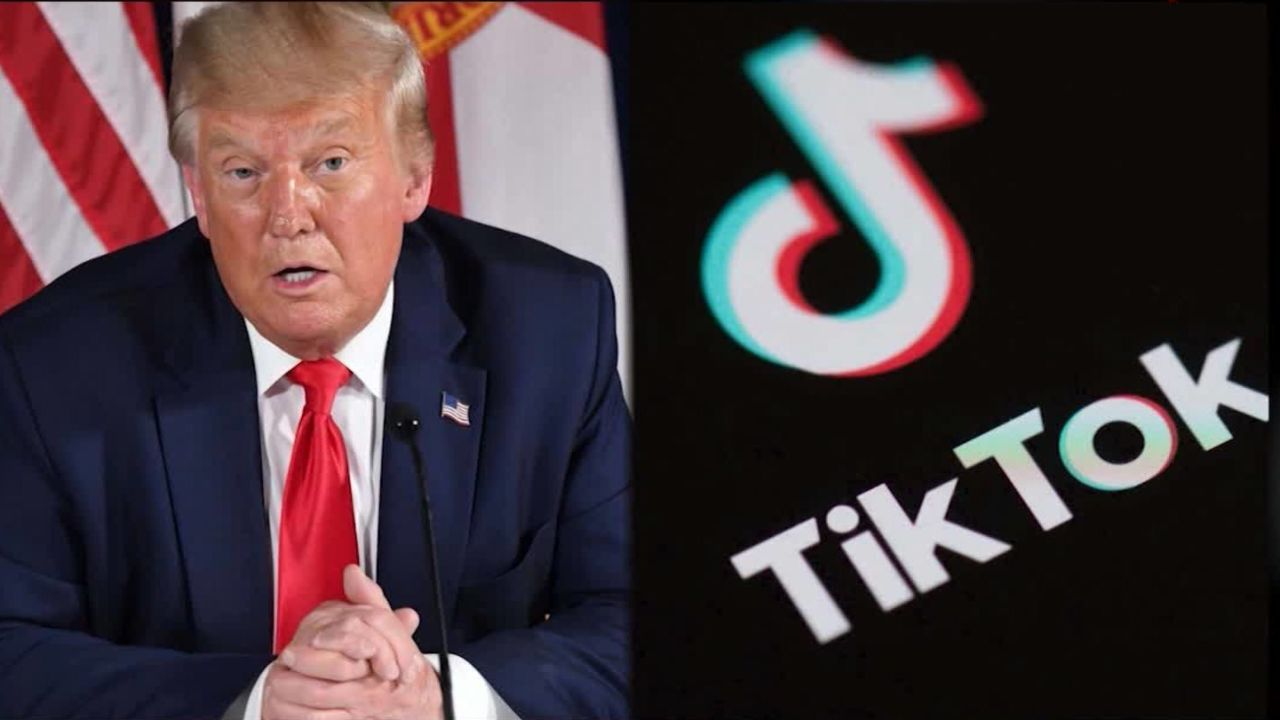
President-elect Donald Trump has expressed a preference for allowing TikTok to continue operating in the United States, citing the platform’s significant role in his presidential campaign. Speaking to a conservative crowd in Phoenix, Arizona, Trump remarked on the app’s success during his campaign, noting the billions of views he received on TikTok. These comments are the strongest indication yet that he opposes a potential U.S. exit for the popular social media platform.

Earlier in April, the U.S. Senate passed a law demanding TikTok’s Chinese parent company, ByteDance, divest the app, citing national security concerns. TikTok has fought this move in court, and the U.S. Supreme Court has agreed to hear the case. If ByteDance loses and no divestment occurs, the app may face a ban in the U.S. by January 19, just one day before Trump’s inauguration.

Trump, however, hinted that the situation might need to be reconsidered. He referred to the overwhelming response to his content on TikTok, saying, “Maybe we gotta keep this sucker around for a little while.” He also met with TikTok’s CEO on Monday and expressed a “warm spot” for the app due to its impact on his campaign’s visibility.

Despite Trump’s remarks, the U.S. Justice Department maintains that TikTok, under Chinese ownership, poses a national security threat. This position is widely supported by U.S. lawmakers. TikTok, however, defends its operations, asserting that user data is stored in the U.S. on servers run by Oracle Corp and that decisions about content moderation are made within the country.


House Democrats Accuse GOP of Caving to Musk in Funding Bill

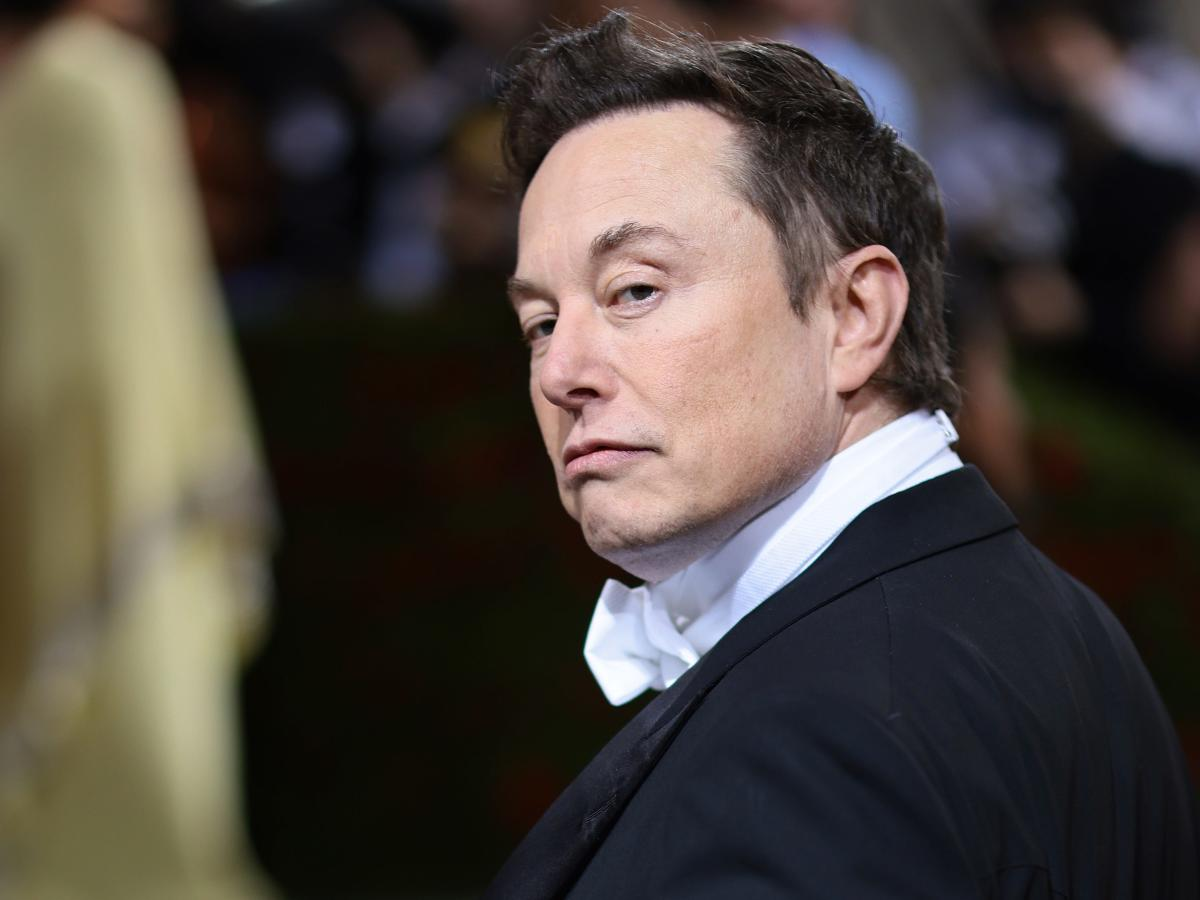
House Democrats Jim McGovern of Massachusetts and Rosa DeLauro of Connecticut criticized their Republican colleagues for allegedly bowing to Elon Musk’s demands, which they claim led to the removal of a provision from a bipartisan government funding bill aimed at regulating U.S. investments in China.

In the aftermath of a separate stopgap funding bill passed over the weekend to prevent a government shutdown, McGovern took to X (formerly Twitter) to express his disappointment, stating that more could have been accomplished. He argued that the scrapped provision would have helped keep cutting-edge technologies like AI and quantum computing in the U.S. and preserved American jobs. However, he contended that Musk’s influence was a significant obstacle to this progress.

Musk’s companies, including Tesla and SpaceX, have extensive business dealings in China. Tesla operates a factory in Shanghai without a local joint venture, and it recently built a battery plant near the city. Musk is also pursuing self-driving vehicle technology development in China, which Democrats like McGovern claim could jeopardize U.S. security.

McGovern pointed out that Musk’s business interests depend on maintaining favorable relations with the Chinese government, writing that Musk is “bending over backwards to ingratiate himself with Chinese leaders.” Furthermore, Musk’s SpaceX has been reported to have withheld its Starlink satellite internet service over Taiwan at the request of Chinese and Russian authorities.

DeLauro, the top Democrat on the House Appropriations Committee, echoed concerns in a letter to Congress, criticizing Musk’s close ties with the Chinese Communist Party. She expressed alarm over Musk’s need for Chinese government approvals for his projects in the country and emphasized the potential risks of his growing influence.

Musk responded on X by calling DeLauro an “awful creature.”

The dispute unfolded as former President Donald Trump had expressed opposition to the original funding bill, instead seeking a new bill to raise the debt ceiling and avoid a financial showdown during the early months of his potential second term. Although Trump’s influence was felt in the discussions, the stopgap funding bill signed by President Joe Biden on Saturday did not include the debt ceiling suspension Trump had sought.

Musk, who acquired Twitter in 2022 and rebranded it as X, has since become a key supporter and adviser to Trump, contributing heavily to the 2024 campaign cycle.