Trump Accuses Taiwan of Undermining U.S. Chip Industry: Election Impacts on Semiconductor Sector
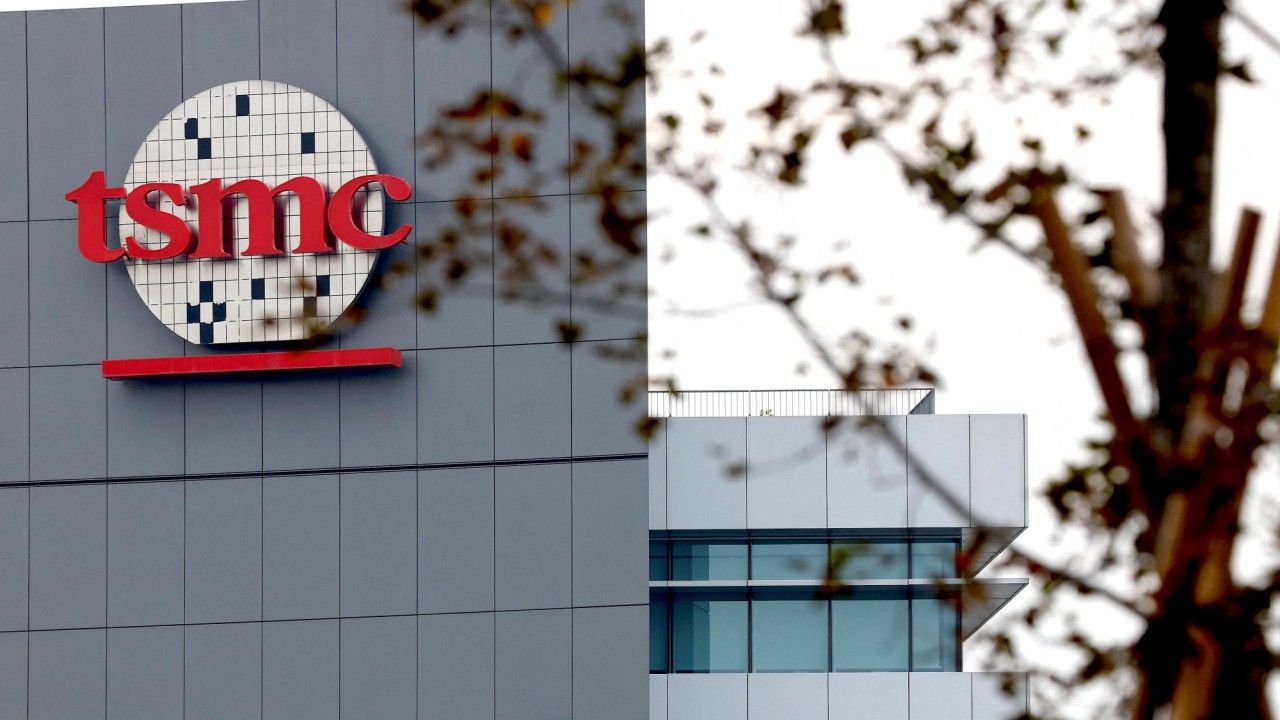
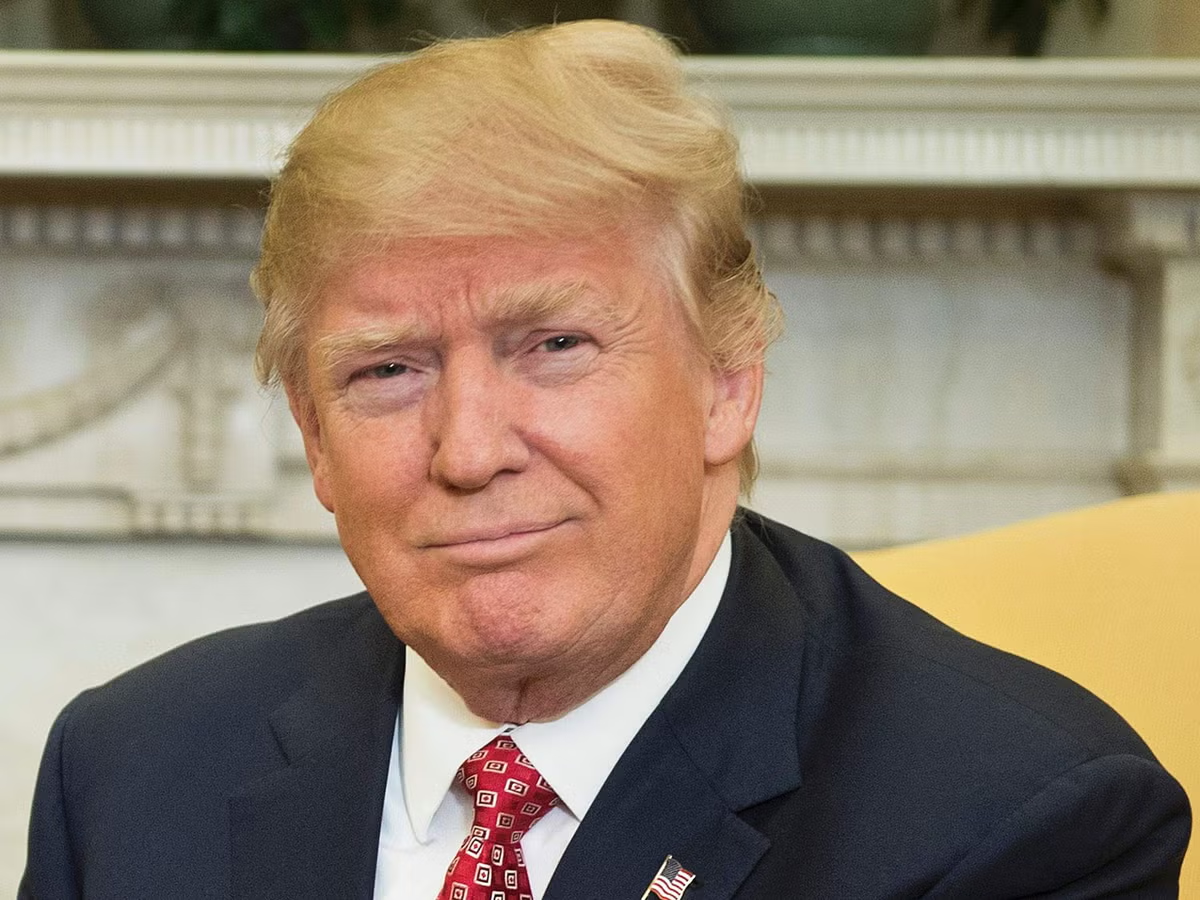
In a recent appearance on the Joe Rogan Experience podcast, former President Donald Trump criticized Taiwan, accusing it of “stealing” the U.S. semiconductor business. Trump argued that Taiwan has leveraged its chip production dominance unfairly, targeting Taiwan Semiconductor Manufacturing Company (TSMC), the world’s leading chipmaker and a crucial supplier for companies like Nvidia and Apple. Trump’s remarks come amid heightened geopolitical tensions with China, which regards Taiwan as part of its territory and has increased military activities around the island.
Shares of TSMC dropped by 4.3% following Trump’s comments and renewed his stance on imposing tariffs on Taiwanese chip imports if elected. Analysts warn that tariffs could significantly impact TSMC and the U.S. tech industry’s reliance on Taiwanese chip production.
Impact on the Semiconductor Supply Chain
Taiwan manufactures over 90% of advanced semiconductors, with tech giants like Amazon, Google, and Microsoft sourcing chips from TSMC. Despite U.S. efforts to bolster its own semiconductor infrastructure through the CHIPS Act, which allocates funding to domestic production, alternatives to TSMC’s advanced production capacity remain limited. U.S.-based Intel has faced delays and competition challenges, although its new U.S. foundries are expected to benefit from CHIPS Act funding.
The Biden administration has directed nearly $7 billion from the U.S. Commerce Department toward TSMC’s Arizona facility, expected to start volume production by 2025. However, Trump’s comments on foreign companies potentially misusing U.S. funds reflect concerns over U.S. reliance on Taiwan’s chip output.
Tariff and Trade War Implications
Trump’s proposal for tariffs on Taiwanese chips could create cost increases across the chip supply chain. Citi analysts estimate that implementing tariffs would require complex audits, given the variety of chips across thousands of devices. Historically, similar tariffs led to increased costs and broader trade tensions, which, according to Moor Insights & Strategy CEO Patrick Moorhead, could elicit retaliatory tariffs from China. A new trade war might strain U.S.-China relations and further restrict companies like Micron, which already face barriers in the Chinese market.
Despite Trump’s stance, experts warn that even a victory by Vice President Kamala Harris would not exempt the industry from trade restrictions. Under the Biden administration, stringent export controls on semiconductor sales to China were implemented, particularly affecting Nvidia, whose revenue from China plummeted after controls reduced its China sales share from 25% to under 10%.
Outlook for U.S. Semiconductor Strategy
Trump’s criticisms reflect broader calls for self-reliance within the semiconductor sector, mirroring concerns over U.S. vulnerability due to Taiwan’s dominance in chip manufacturing. Proposals to further support domestic companies like Intel, Texas Instruments, and Global Foundries align with Trump’s America-first trade strategy, which could prioritize U.S. fabs and incentivize domestic chip production if he is re-elected.
U.S. tech markets remain volatile amid these policy uncertainties. Following Trump’s comments, semiconductor stocks reacted, with TSMC declining and U.S.-based chipmakers showing gains on the prospect of potential government backing. However, tariffs and trade restrictions could have sweeping consequences, potentially leading to higher costs and supply chain disruptions for the global tech sector.