
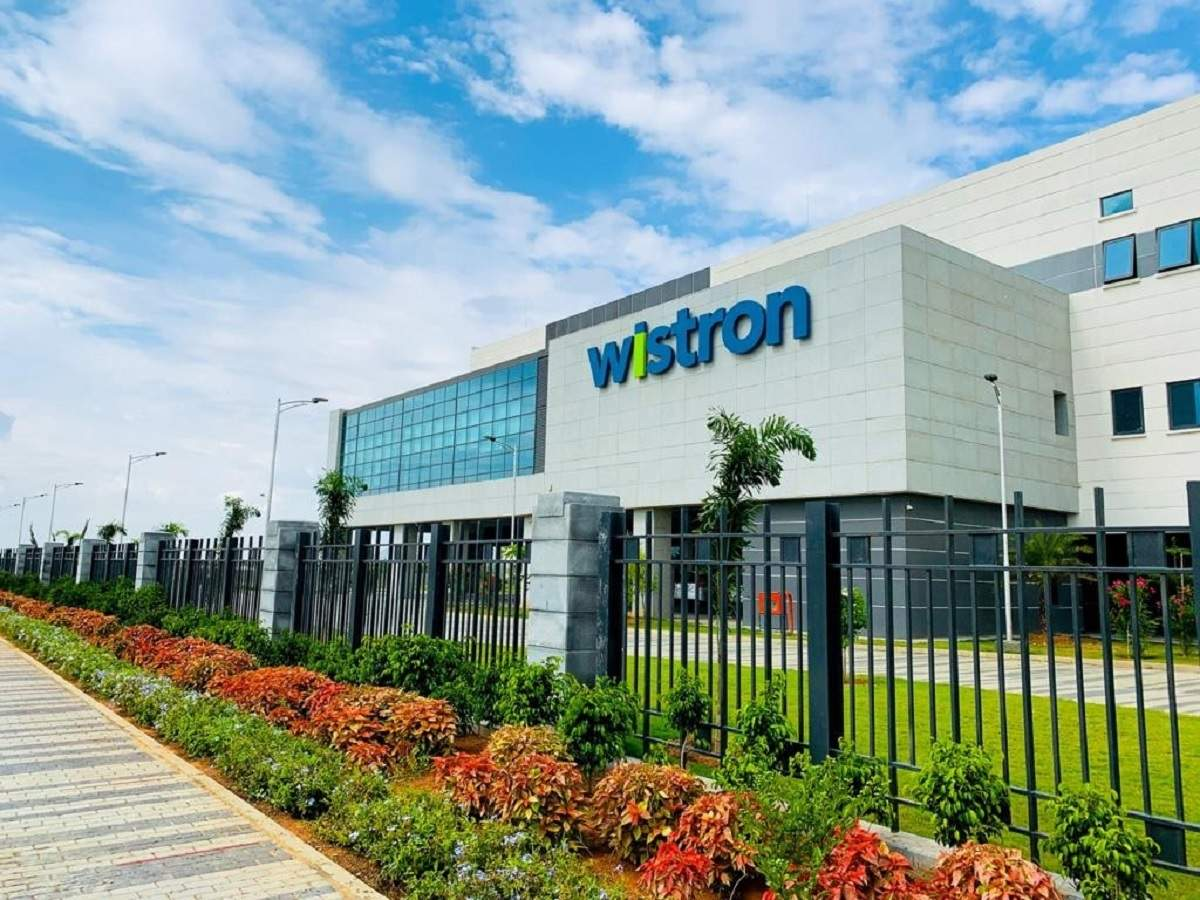
Wistron Confirms U.S. Plant Readiness for Nvidia’s $500B AI Server Plan in 2025
Wistron Corp., the Taiwanese electronics giant, announced Friday that its new U.S. manufacturing facilities—key to Nvidia’s AI server expansion plans—will be operational by 2025. The Dallas-based site will support Nvidia’s ambitious project to build up to $500 billion worth of AI supercomputers in the United States over the next four years.
The update follows Nvidia’s April announcement outlining its U.S. manufacturing expansion, which includes:
-
A Foxconn partnership in Houston
-
A Wistron partnership in Dallas
Both sites are expected to ramp up production within 12–15 months, aligning with Nvidia’s aggressive AI infrastructure timeline.
“All our progress will follow the customer’s lead,” said Wistron CEO Jeff Lin, speaking publicly for the first time since the deal was unveiled.
Strategic Positioning in the U.S.:
-
Wistron’s board has approved $500 million in investment for the new U.S. subsidiary, aiming to support high-performance computing and AI-related product manufacturing.
-
The company is also in talks with other potential clients for the U.S. facilities, though it declined to name them.
Responding to Global Shifts:
-
On U.S.-China chip export restrictions, Lin said demand outside China remains “very strong,” especially with rising interest from the Middle East.
-
The U.S.–UAE AI infrastructure deal, signed this week, could involve the annual export of 500,000 Nvidia AI chips to the UAE, creating new supply opportunities for firms like Wistron.
“Most of them are essentially our indirect customers,” Lin noted, referring to emerging AI markets like the Gulf states.
Mexico Expansion to Offset Tariff Risks:
With growing tariff threats from the U.S., Wistron said it is considering notebook production in Mexico, taking advantage of USMCA trade protections that would shield such goods from import duties.
This strategic diversification underscores Wistron’s effort to align with U.S. reshoring policies while navigating geopolitical shifts in semiconductor trade and AI supply chains.