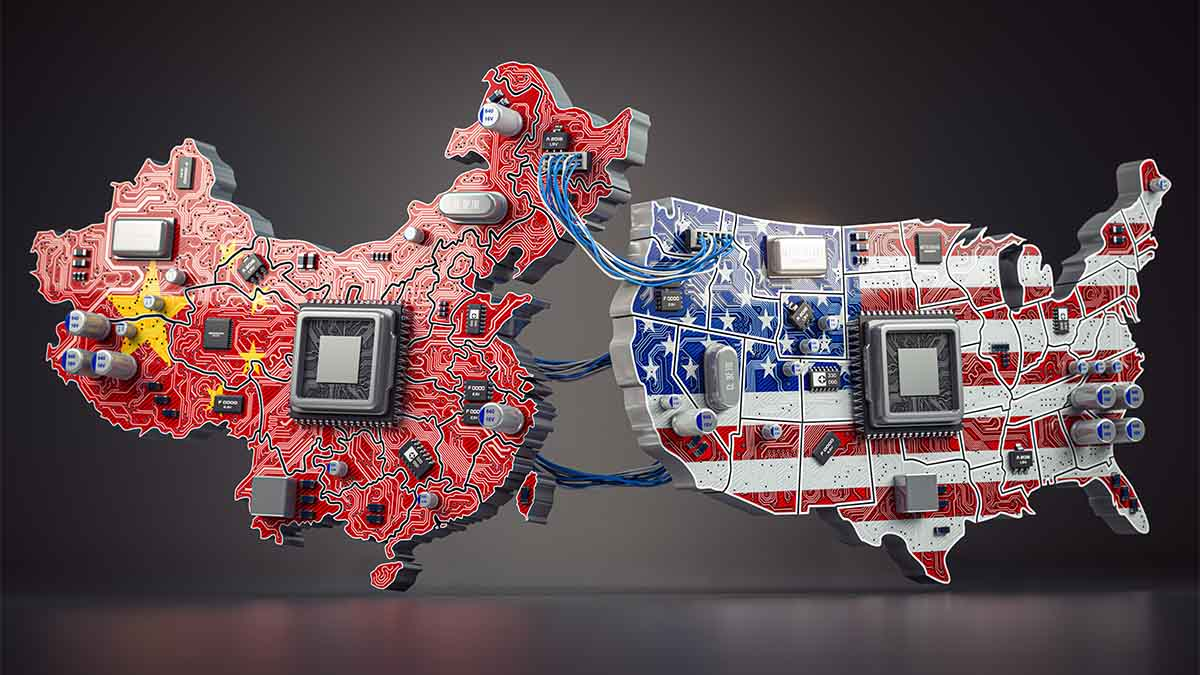

A recent review of U.S. patent data has revealed that more than 1,000 U.S. patents have been granted to China-based inventors since 2010, with many of these patents funded by U.S. government agencies such as the Department of Defense, NASA, and the Department of Energy. These patents span crucial fields including biotechnology and semiconductors, raising alarms about the potential national security risks posed by U.S. taxpayers inadvertently supporting technological advancements that may benefit China.
The revelation has sparked increased scrutiny of the U.S.-China Science and Technology Agreement, a cooperation pact dating back to 1979. Critics argue that this agreement disproportionately benefits China, amplifying calls for its renegotiation or cancellation. The agreement, which expired in August 2023, is currently under review, with lawmakers divided on whether to extend it. While opponents fear the accord enables China’s growing military power and intellectual property theft, proponents caution that ending it could stifle valuable academic and commercial collaboration between the two nations.
The data from the U.S. Patent and Trademark Office indicates that from 2010 through the first quarter of 2024, the U.S. government funded research that led to 1,020 patents involving China-based inventors. Of these, 197 patents were related to pharmaceuticals, while 154 were tied to biotechnology. Notably, funding from the Department of Defense supported 92 of these patents, despite concerns that technological advancements in these areas could strengthen China’s strategic industries.
The drop in patents from a high of 99 in 2019 to 61 in 2023, along with concerns over China’s global leadership in patent filings, underscores the shifting dynamics in global innovation. As debates continue over the future of the U.S.-China science agreement, the patent data serves as a stark reminder of the complex balance between collaboration and competition in the realm of technological advancement.
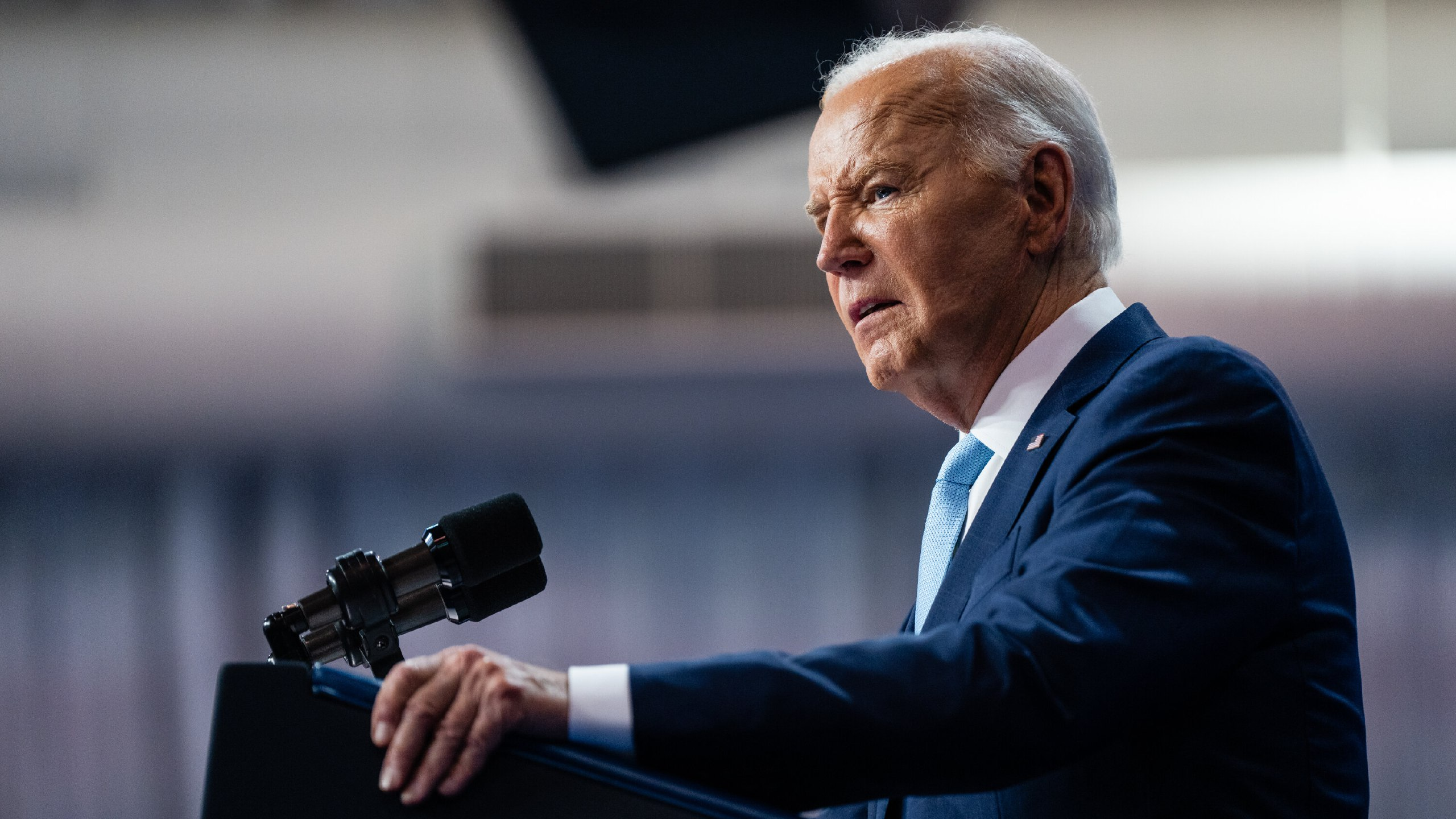
China has sharply criticized the United States following reports that President Joe Biden approved a shift in U.S. nuclear strategy aimed at addressing Beijing’s growing nuclear capabilities. The New York Times revealed that Biden’s revised nuclear strategy, known as the “Nuclear Employment Guidance,” was approved in March amidst concerns from the Pentagon about China’s rapid nuclear expansion, which is expected to rival the U.S. and Russia in the coming decade.
China’s state media and foreign ministry responded swiftly, accusing the U.S. of using China’s nuclear development as a pretext for maintaining its own large arsenal. The editor of the Global Times, a prominent government-affiliated publication, accused the U.S. of hyping up the “China nuclear threat narrative” to justify its post-Cold War nuclear posture. The editor further called on Washington to rebuild trust with China through dialogue rather than confrontation.
China’s foreign ministry echoed these sentiments, with spokeswoman Mao Ning reaffirming that Beijing has no interest in engaging in a nuclear arms race. Mao accused the U.S. of seeking strategic advantage by exaggerating China’s nuclear developments. She called for a more diplomatic approach to managing tensions between the two superpowers.
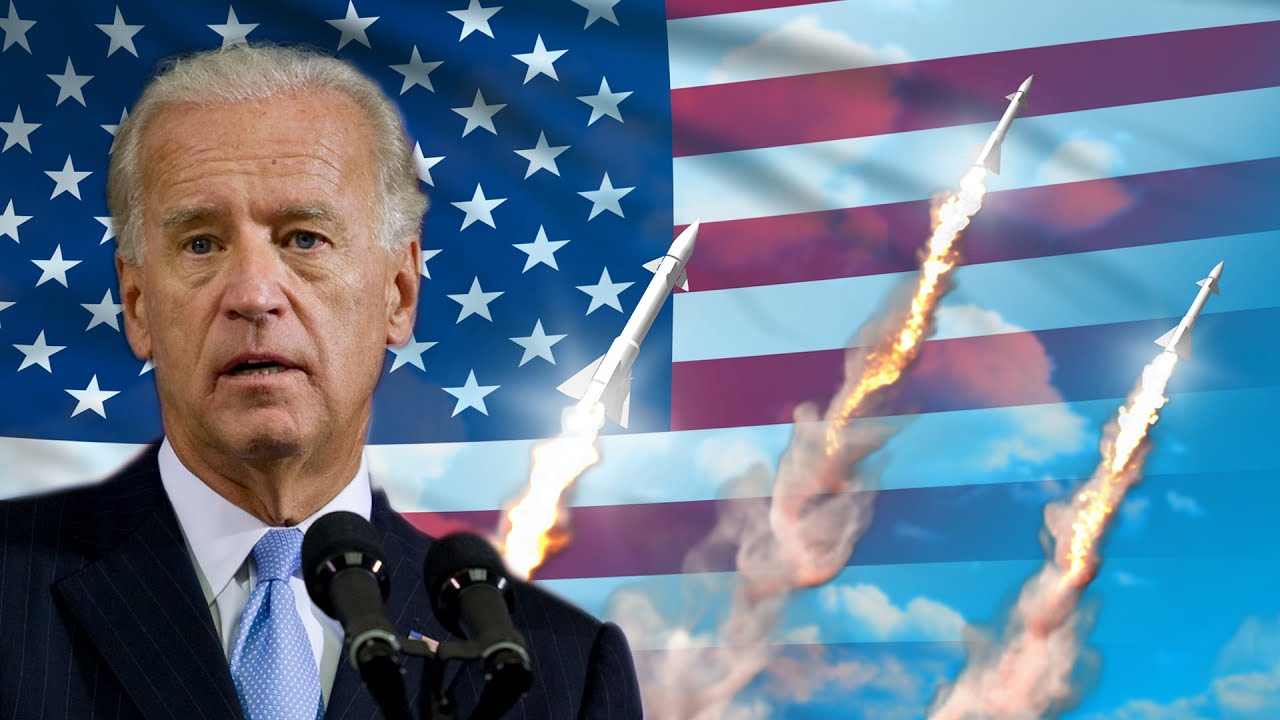
The criticism from Beijing comes amid a backdrop of increasing concerns within Washington over China’s military ambitions. A Pentagon report published last year projected that China’s nuclear warhead inventory would exceed 1,000 by 2030, while the number of operational nuclear warheads had already surpassed 500 by May 2023—higher than previous estimates.
The Biden administration’s revised strategy not only focuses on China but also prepares for potential nuclear threats from Russia and North Korea. Despite China’s objections, the White House has maintained that the nuclear strategy was not specifically targeted at any one country, but rather designed to address multiple evolving global threats.
Tensions between the U.S. and China over nuclear issues have been escalating, with both nations exchanging sharp rhetoric in recent years. Informal talks between the two resumed in March 2023, with Chinese officials assuring the U.S. that China would not use nuclear weapons in the Taiwan dispute.
As geopolitical competition between the world’s two largest economies intensifies, nuclear capabilities have become a key point of contention. Beijing sees U.S. policies as a threat to regional stability, while Washington remains concerned about China’s growing military power, especially as it extends its influence in Asia and beyond.
The ongoing friction between the U.S. and China underscores the complexities of global security in a multipolar world where traditional Cold War-era nuclear dynamics are being reshaped by emerging powers. Both nations will need to navigate these challenges carefully to avoid escalating tensions into a full-blown arms race.