Yazılar

Chip Stocks Decline as ASML’s Weak Outlook Sparks Concerns Over Non-AI Chip Demand

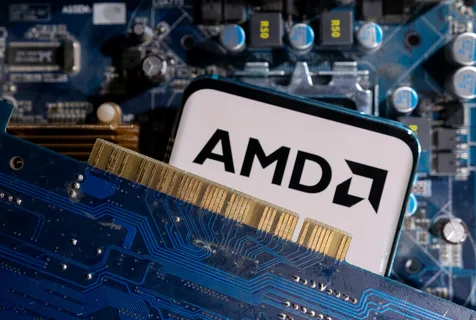
Semiconductor stocks in both the U.S. and Asia took a hit after ASML (ASML.AS), a prominent chip equipment maker, cut its annual sales forecast due to weak demand for non-AI chips. Despite strong demand for AI-related chips, such as those produced by industry giant Nvidia (NVDA.O), the broader semiconductor market is experiencing a slower recovery. This news sent ripples through the sector, dragging down major chip stocks.

Key Losses Across the Sector

Nvidia, which had recently surpassed Apple as the world’s most valuable company, saw a 4.5% drop in its stock price, wiping out approximately $158 billion from its market cap. This widened the gap with Apple, whose value sits at $3.56 trillion. Other major chip firms such as AMD (AMD.O), Intel (INTC.O), Arm, Broadcom (AVGO.O), and Micron (MU.O) fell between 3.2% and 5% by Tuesday’s close. The Philadelphia SE Semiconductor Index dropped nearly 5%, further weighing down the tech-heavy Nasdaq.

The sharp decline followed an apparent error by ASML, which prematurely released its quarterly results, revealing weak bookings and slower-than-expected recovery in chip demand, particularly outside the AI sector. This led to a 16% plunge in ASML’s U.S.-listed shares.

AI Demand vs. Broader Market Weakness

While the demand for AI chips continues to surge, fueled by growing interest in artificial intelligence and machine learning applications, other segments of the chip market remain tepid. Logic chip makers are delaying orders, and memory chip manufacturers are planning only limited new capacity expansions, which signals ongoing weakness in non-AI chip demand.

“ASML’s fat finger error isn’t cause for concern in itself, but the content of the release didn’t make comforting reading for investors,” noted Derren Nathan, head of equity research at Hargreaves Lansdown.

Asian Chipmakers Also Hit

Asian semiconductor companies, many of which are customers of ASML, also suffered losses. Taiwan Semiconductor Manufacturing Co (TSMC), Samsung Electronics, and SK Hynix all saw stock declines ranging from 2.2% to 2.5%. This further underscores concerns that the non-AI chip sector is slowing down, with chip factories having stabilized after racing to build extra capacity during the pandemic.

Samsung, which had earlier warned of disappointing third-quarter profits due to struggles in capitalizing on AI chip demand, continued to face pressure. On the other hand, TSMC, which supplies Nvidia, is expected to report a 40% jump in third-quarter profit, showcasing a more optimistic outlook for companies directly tied to AI chip production.

Geopolitical Tensions and Export Controls

Adding to market concerns, Bloomberg News reported that U.S. officials are considering placing a cap on AI chip export licenses to certain countries, particularly in the Persian Gulf. The move is driven by national security concerns that advanced American chips could be indirectly acquired by China, circumventing existing trade restrictions.

Danni Hewson, head of financial analysis at AJ Bell, remarked, “With the AI revolution expected to play such a huge part in upping productivity and enabling other technological advances, it’s not surprising the U.S. wants to do what it can to maintain its dominance.”

The combination of weak non-AI chip demand and increasing geopolitical tensions highlights the delicate balance chipmakers must navigate as they grapple with shifting market dynamics.
China’s Newest Panda Diplomats Arrive in Washington

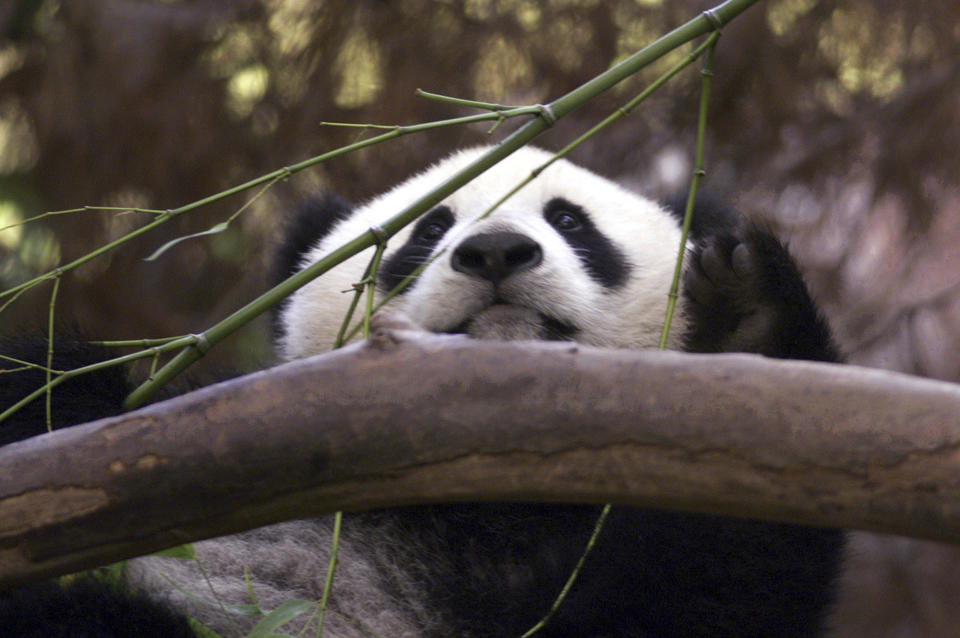
Two adorable pandas, Bao Li and Qing Bao, have embarked on a journey to Washington, D.C., signaling a new era of “panda diplomacy” between the U.S. and China. The three-year-old pandas left China from their research base in Dujiangyan, Sichuan, on Monday night, boarding a specially chartered FedEx Panda Express flight. These pandas are the first pair sent to the U.S. capital in 24 years, following the return of the previous pandas to China last November.

The Smithsonian’s National Zoo is eagerly anticipating their arrival, with millions of visitors awaiting the reopening of the revamped panda exhibit. Over the past year, the absence of pandas has left a void at the zoo, which had long been one of its star attractions.

Panda Diplomacy Amid Global Tensions

While the pandas’ arrival symbolizes the long-standing friendship between China and the U.S., their journey comes at a time of tense political relations between the two superpowers. In recent years, disagreements over trade, technology, and geopolitics have soured diplomatic exchanges. However, the return of pandas to Washington offers a rare bright spot, reflecting a shared commitment to conservation.

Panda diplomacy traces its origins to 1972, when China sent its first pair of pandas to Washington following President Richard Nixon’s groundbreaking visit to Communist China. This soft power strategy continues today, with pandas acting as cultural ambassadors.

Preparation for the Long Flight

Much care has been taken to ensure the pandas’ well-being during their flight. Staff members from the National Zoo accompanied Bao Li and Qing Bao, working alongside their Chinese counterparts to guarantee a smooth transfer. Both pandas were taken off public display in early September and placed in quarantine, allowing them time to adjust to the upcoming journey.

Their personalized in-flight meals include corn buns, bamboo shoots, and carrots. Panda keeper Mariel Lally assured that the pandas would have a “comfortable ride,” noting that their crates are large enough for them to stretch and move around during the long trans-Pacific flight.

Bao Li and Qing Bao’s Unique Personalities

Despite being only three years old, Bao Li and Qing Bao have already developed distinct personalities. According to their Chinese caretaker Ren Zhijun, Bao Li is the more energetic and voracious eater, while Qing Bao enjoys sleeping and favors carrots and apples. Bao Li’s mother, Bao Bao, was born at the National Zoo in 2013, giving him deep roots in Washington. Zoo staff have likened him to his grandfather, Tian Tian, a former panda resident at the zoo.

A New Chapter for the National Zoo

Bao Li and Qing Bao will be on loan to the National Zoo for 10 years, with an annual fee of $1 million paid to support panda conservation efforts in China. Their arrival signifies the continuation of a partnership that has spanned decades, emphasizing the importance of global cooperation in animal conservation.

National Zoo Director Brandie Smith expressed excitement about the pandas’ arrival, hailing it as a “historic moment.” The panda exhibit, which draws millions of visitors annually, also features the Giant Panda Cam, a live streaming service that has garnered over 100 million views since its inception in 2000. Fans from all over the world are expected to tune in as Bao Li and Qing Bao settle into their new home.

Controversy and Concerns

Not everyone is pleased with China’s decision to loan pandas abroad. Some Chinese netizens have voiced concerns about the pandas’ treatment in U.S. zoos, fueled by nationalistic sentiment and misinformation spread on social media. However, the China Conservation and Research Center for Giant Pandas has repeatedly denied these rumors, emphasizing the significance of international cooperation in panda conservation. The center urged the public not to believe baseless claims about mistreatment.

For now, Washington’s residents and visitors can look forward to the return of their beloved pandas, as the city prepares to welcome Bao Li and Qing Bao with open arms.

Does Chinese Investment Benefit or Harm Ireland?

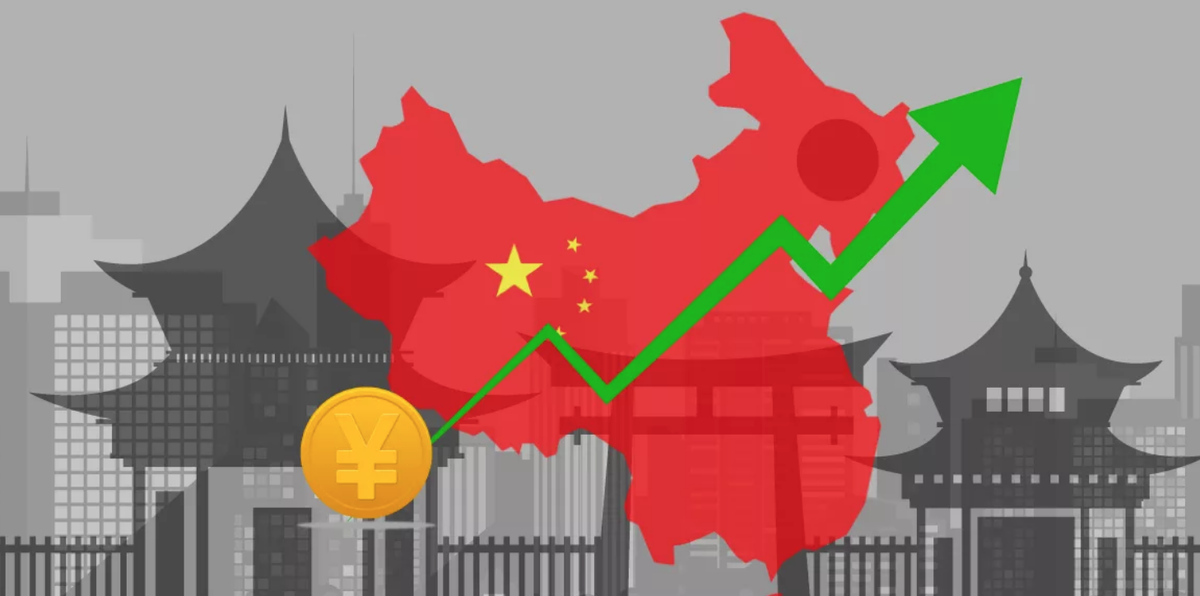
Chinese investment in Ireland has grown significantly, with the number of Chinese companies operating in the country rising from 25 in 2020 to 40 in 2024. This surge has prompted debates about whether these investments offer opportunities for economic diversification or carry reputational and political risks.

For some, Chinese investment represents a chance for Ireland to reduce its dependence on U.S. tech giants like Apple and Alphabet, creating jobs and potentially making the Irish economy more resilient. Companies such as Huawei and WuXi Biologics have made substantial financial contributions, with Huawei alone generating €800 million annually through its operations in Ireland. Additionally, TikTok’s European headquarters is in Dublin, and Chinese retailer Temu relocated its global headquarters to Ireland in 2023.

However, critics argue that these investments come with strings attached. Chinese companies, including Shein, Huawei, and WuXi, have been linked to human rights abuses, labor issues, and national security concerns. Shein, for instance, has faced allegations of child labor in its supply chain, while Huawei and WuXi have been sanctioned by the U.S. over security concerns. Critics like Irish MEP Barry Andrews have voiced concerns about Chinese companies’ practices, calling for stricter scrutiny and pointing out that human rights violations should not be overlooked.

Another concern is Ireland’s relationship with the U.S. Many of the Chinese firms setting up in Ireland, such as Huawei, are companies that have been sanctioned by the U.S., which could create diplomatic friction. Ireland, while aiming to de-risk rather than decouple from Chinese investments, must balance its close ties to both China and the U.S.

Economists are also divided on the benefits of Chinese investment. While the Irish government promotes its pro-business environment, some argue that Ireland’s economy is already heavily reliant on foreign direct investment (FDI). With unemployment at 4.3%, close to full employment, there is debate over whether Ireland needs additional jobs from Chinese firms. Dan O’Brien, chief economist at Ireland’s Institute of International and European Affairs, suggests that Ireland’s FDI dependence is too high, making the country vulnerable to global economic shifts, particularly if deglobalization trends continue.

Other experts, like Constantin Gurdgiev, emphasize that China’s investments offer Ireland a strategic cushion against potential U.S. pullbacks, especially given the pressure on American companies to re-invest domestically. Gurdgiev also points out that Ireland could act as a neutral ground where U.S. and Chinese firms can operate, giving Dublin a geopolitical edge.

Ireland’s relationship with China is further complicated by its low corporation tax, which has historically attracted foreign investment. However, international pressures have led Ireland to raise its tax rate for large companies. In light of corporate tax reforms and competition from other European nations, China’s investments could serve as a counterbalance if U.S. firms begin to relocate.

Nevertheless, Ireland risks playing a “dangerous geopolitical game” by courting Chinese companies while maintaining its diplomatic closeness with the U.S. While the Irish government insists that Chinese investment is part of a broader strategy to keep the economy competitive, the potential risks—both in terms of human rights and national security—cannot be ignored.