Yazılar

China, Trump Signal Cautious Optimism for Renewed US-China Cooperation Amid Tough Rhetoric

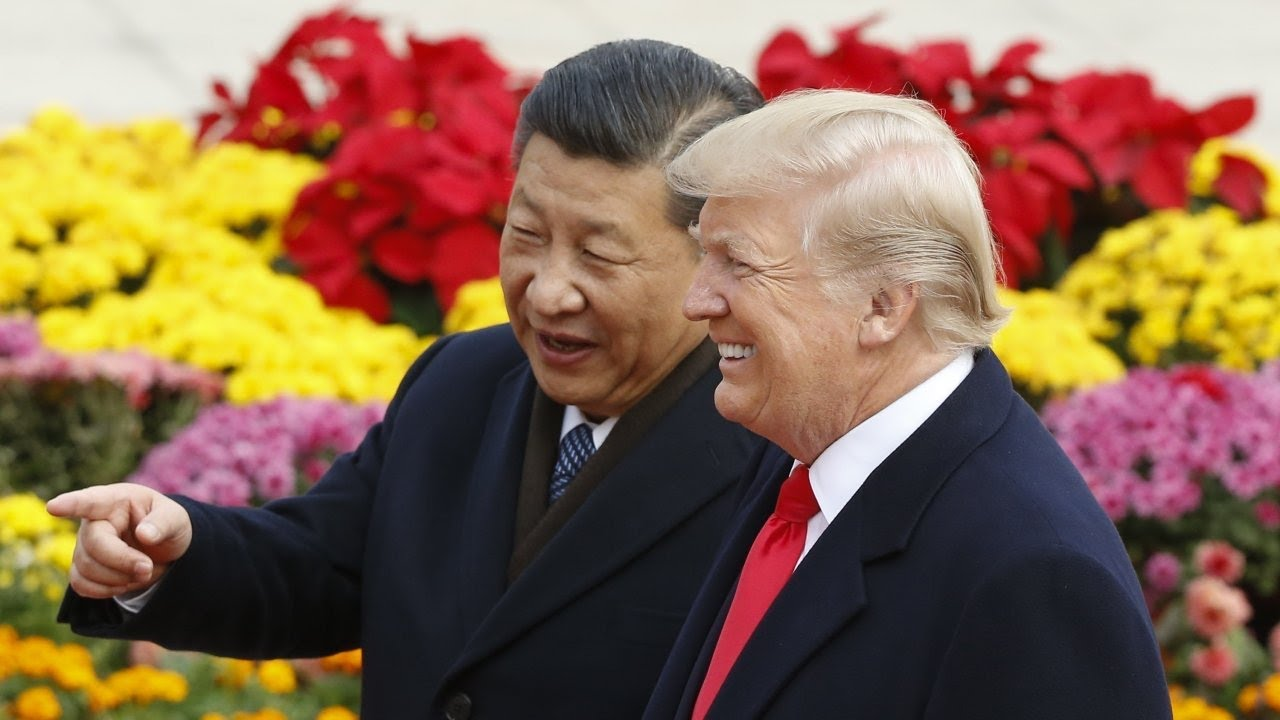
China’s top diplomat, Foreign Minister Wang Yi, expressed hope on Tuesday that the incoming Trump administration would collaborate with Beijing “in a mutually beneficial manner” despite ongoing tensions. Wang’s comments came hours after Donald Trump remarked that the COVID-19 pandemic had strained his relationship with Chinese President Xi Jinping, whom he once considered a “friend.”

“We hope the new U.S. administration will make the right choice and work with China to remove disruptions and overcome obstacles,” Wang stated during a forum in Beijing, according to his ministry’s statement.

Trump, addressing reporters at his Mar-a-Lago resort, reflected on his past relations with Xi, acknowledging the pandemic as a breaking point. “We had a very good relationship until COVID,” Trump said. “COVID didn’t end the relationship, but it was a bridge too far for me.” Trump avoided confirming whether Xi would attend his inauguration but emphasized the importance of U.S.-China ties: “China and the United States can together solve all of the problems of the world.”

Trump’s Second Term Agenda and Beijing’s Strategy

Trump has signaled a more confrontational stance toward China as he prepares for his second term. His campaign promises include imposing a 10% tariff on Chinese goods and additional levies exceeding 60% to pressure China on issues like stopping fentanyl exports to the U.S. Trump has also pledged to revoke China’s most-favored-nation trade status—a move that could reshape bilateral trade dynamics.

In response, analysts suggest China is preparing to amass bargaining chips to engage with Trump’s administration on contentious issues such as trade, technology, and investment. Beijing has shown readiness to push back, with Wang Yi emphasizing China’s firm stance: “We firmly oppose the illegal and unreasonable suppression of China by the U.S., particularly on matters like Taiwan.”

Sanctions and Hard-Line Appointments

The diplomatic environment remains volatile as Trump’s choice of China hawks for key positions signals an aggressive approach. Republican Senator Marco Rubio, Trump’s nominee for Secretary of State, remains under Chinese sanctions imposed in 2020. Rubio’s prior criticism of Beijing raises questions about how his role would affect bilateral engagement.

China’s move to quietly remove a January 2021 statement sanctioning 28 Trump administration officials from its foreign ministry website has further fueled speculation. When asked about this development, Chinese Foreign Ministry spokesperson Lin Jian declined to comment, stating he had “no information to offer.”

Mutual Posturing, Cautious Optimism

Despite the confrontational rhetoric, both sides have hinted at opportunities for collaboration. Trump’s remarks acknowledged the global importance of U.S.-China cooperation, while China continues to position itself for negotiations that balance engagement with resistance to U.S. policies it deems provocative.

As Trump prepares for a second term, Beijing appears both prepared to push back against hard-line policies and cautiously optimistic about finding common ground to stabilize bilateral relations.
 

Nvidia Faces Antimonopoly Investigation in China, Shares Decline

Nvidia’s shares experienced a decline of about 2.6% on Monday after China’s State Administration for Market Regulation (SAMR) announced an investigation into the company over potential violations of the country’s antimonopoly laws.

The investigation focuses on Nvidia’s 2020 acquisition of Mellanox, an Israeli technology company specializing in network solutions for data centers and servers. The Chinese regulator is examining specific agreements related to this acquisition, according to an official statement.

This development comes amid escalating tensions between the U.S. and China, particularly in the semiconductor industry. The Biden administration recently imposed new restrictions on semiconductor toolmakers, and the investigation could be linked to broader geopolitical factors. The U.S. has already restricted Nvidia and other chipmakers from selling their most advanced AI chips to China, aiming to curb the country’s military advancements.

Nvidia, which has seen its stock rise dramatically in 2024 due to growing demand for AI technologies, responded to the investigation, expressing willingness to cooperate with regulators. In a statement, Nvidia emphasized that its success is due to its products’ merits and customer satisfaction, highlighting that clients have the freedom to choose from various solutions.


ASML Maintains Financial Guidance Despite New U.S. Restrictions on China Chip Exports

INTRODUCTION:
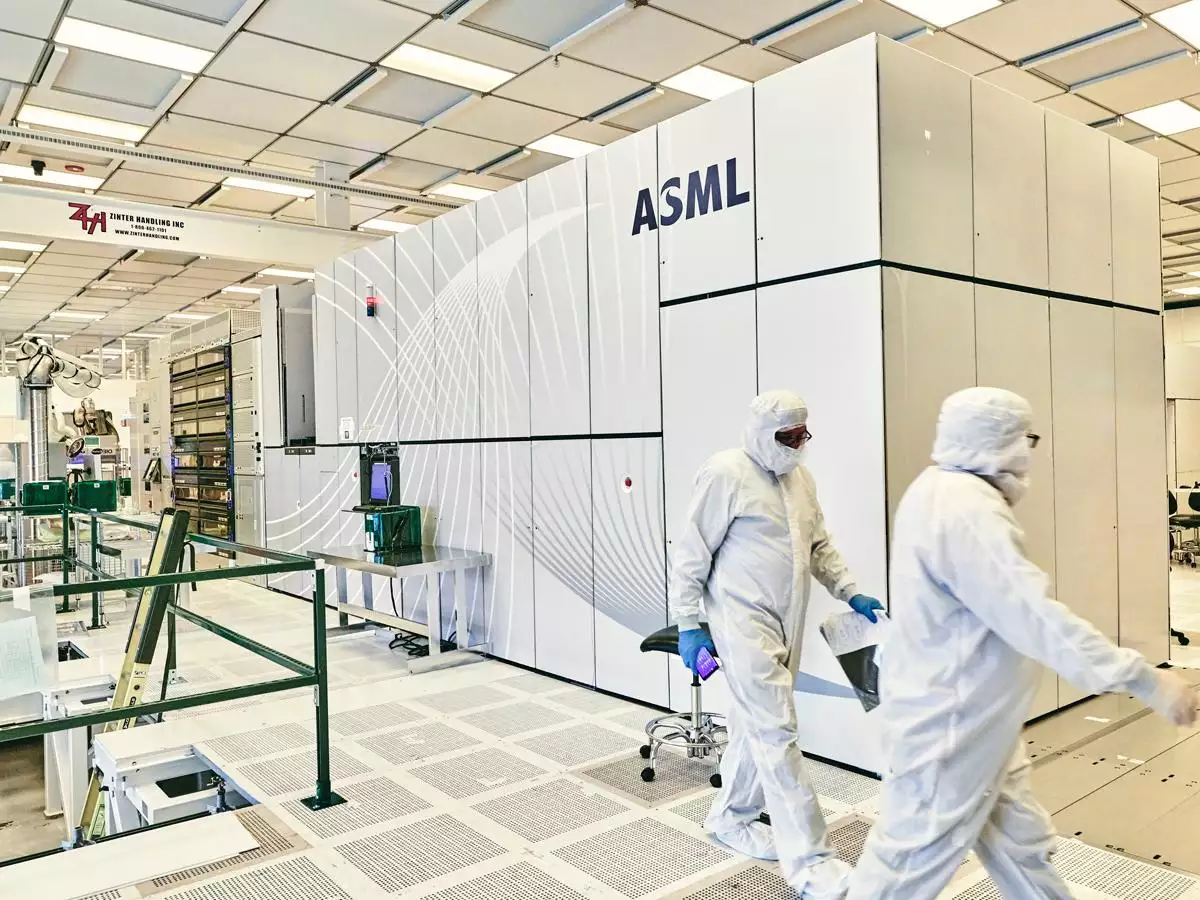
ASML Holding, the leading Dutch semiconductor equipment manufacturer, has reaffirmed its financial projections for 2025 despite the latest U.S. export restrictions targeting China’s chip industry. The company cited minimal long-term impact from the new rules, while the Dutch government expressed alignment with U.S. concerns over advanced semiconductor exports.

KEY DETAILS

  1. ASML’s Financial Guidance:
    • ASML reiterated its November 14 outlook, forecasting group sales between €30-35 billion ($31.5-36.7 billion) in 2025.
    • The company projects China’s contribution to its sales to drop to 20% by 2025, a significant decline from approximately 50% this year.
  2. Impact of U.S. Restrictions:
    • The latest U.S. measures target semiconductor equipment exports to China, including ASML’s deep ultraviolet (DUV) lithography systems, if enforced by Dutch authorities.
    • The new rules also impose stricter controls on computational lithography software and metrology equipment critical to chip production.
  3. Dutch Government’s Position:
    • The Netherlands supports U.S. concerns about uncontrolled semiconductor equipment exports and is evaluating the implications of the updated regulations.
    • Dutch authorities reiterated that export decisions are based on their national security assessments.
  4. ASML’s Long-Term Outlook:
    • ASML stated that the global demand for semiconductors underpins its growth scenarios, minimizing the long-term impact of these regulations.
    • The company’s shares closed 0.9% higher at €664.10 in Amsterdam following the announcement.
  5. Industry-Wide Implications:
    • The restrictions represent the third wave of U.S. efforts in recent years to curtail China’s semiconductor development.
    • Chinese entities, including additional subsidiaries of Semiconductor Manufacturing International Corporation (SMIC), face tightened export curbs.
    • Japanese competitors Nikon and Canon are also affected by restrictions on computational lithography software.

CONTEXT AND ANALYSIS

  • Strategic Implications for ASML:
    ASML’s dominant position in lithography machine manufacturing mitigates immediate risks. However, its reliance on China as a key market presents challenges as geopolitical tensions persist.
  • Dutch Government’s Balancing Act:
    While aligning with U.S. security concerns, the Netherlands must navigate its own economic interests and maintain a competitive edge in the semiconductor sector.
  • Broader Market Impact:
    The global semiconductor supply chain remains under pressure as U.S.-China tech rivalry escalates, with regulatory measures reshaping industry dynamics.

CONCLUSION

ASML’s confidence in its financial resilience reflects the strength of its market leadership and strategic planning. However, the evolving regulatory environment underscores the complexities of balancing business growth with geopolitical realities in the semiconductor industry.