Yazılar

Chinese Hack of U.S. Treasury Targets Economic Sanctions Office

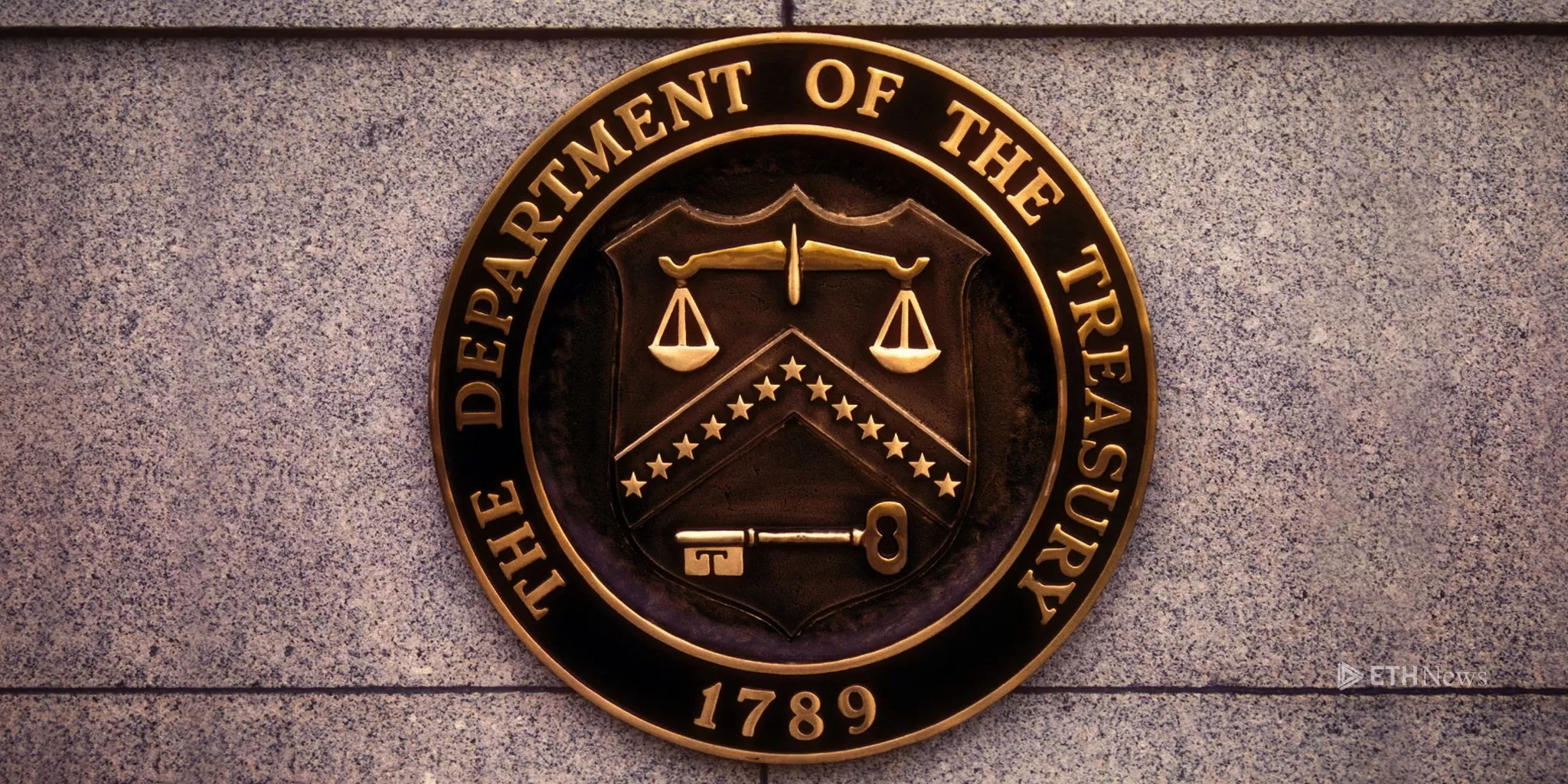
A cyberattack by Chinese government hackers successfully breached the U.S. Treasury’s office responsible for administering economic sanctions, the Washington Post reported on Wednesday. According to unnamed U.S. officials, the hackers infiltrated the Office of Foreign Assets Control (OFAC), the Office of Financial Research (OFR), and even targeted the office of U.S. Treasury Secretary Janet Yellen.

The Treasury Department had already disclosed the breach earlier this week in a letter to lawmakers, describing it as a “major incident” where unclassified documents were stolen. However, the department did not reveal the specific departments or individuals affected by the attack.

In response to the Washington Post‘s report, Liu Pengyu, a spokesperson for the Chinese Embassy in Washington, dismissed the U.S. claims as “irrational” and lacking factual basis, calling them “smear attacks” against China. The statement emphasized that China opposes all forms of cyberattacks but did not specifically address the report regarding the targeted offices.

The Treasury Department has not yet commented on the details revealed in the Washington Post report. According to the sources cited by the paper, Chinese government hackers were likely focused on gathering intelligence about Chinese entities that the U.S. might consider sanctioning in the future.

The Treasury’s earlier disclosure mentioned that the breach involved third-party cybersecurity service provider BeyondTrust. Chinese entities and individuals have been frequent targets of U.S. sanctions, which are a key component of Washington’s foreign policy towards Beijing. Last month, U.S. Treasury Secretary Janet Yellen confirmed that the U.S. would not rule out sanctions on Chinese banks in its efforts to curb Russia’s oil revenue and limit access to foreign supplies, in connection with the ongoing war in Ukraine.
 

Trump Asks Supreme Court to Delay TikTok Ban for Potential Political Resolution

President-elect Donald Trump has called on the U.S. Supreme Court to delay the implementation of a law that would ban the popular social media app TikTok or compel its Chinese parent company, ByteDance, to sell the platform to a U.S. entity. The law, set to take effect on January 19, 2025, would force divestment or result in a nationwide ban on TikTok, which has over 170 million users in the United States.

The Supreme Court is scheduled to hear arguments on the case on January 10, but Trump’s legal team has requested a stay on the law’s deadline to allow his incoming administration time to explore a political resolution to the matter. “President Trump takes no position on the underlying merits of this dispute,” said his lawyer, D. John Sauer, who is also the president-elect’s nominee for U.S. solicitor general. “Instead, he respectfully requests that the Court consider staying the Act’s deadline… to permit President Trump’s incoming administration the opportunity to pursue a political resolution.”

This stance represents a reversal from Trump’s earlier position in 2020 when he attempted to ban TikTok and force its sale due to concerns about its Chinese ownership. However, during his presidential campaign, Trump appeared to soften his approach, meeting with TikTok CEO Shou Zi Chew in December and expressing a “warm spot” for the app. Trump even credited TikTok with helping him gain billions of views during his campaign.

TikTok and ByteDance have contested the law, arguing that the U.S. government has mischaracterized their ties to China. The company maintains that U.S. user data and content moderation decisions are handled domestically, with data stored on Oracle-operated servers in the United States. Despite these assurances, the U.S. Justice Department and most lawmakers argue that Chinese control of TikTok poses a national security risk.

Opponents of the ban, including free speech advocates, have voiced concerns that the legislation echoes censorship practices of authoritarian regimes. However, Montana Attorney General Austin Knudsen, supported by 22 state attorneys general, filed an amicus brief urging the Supreme Court to uphold the law, emphasizing the importance of addressing national security risks associated with Chinese influence over the app.

The outcome of this case could have significant implications for U.S.-China relations, free speech, and the future of TikTok in America. For now, Trump’s request seeks to buy time for a potential diplomatic or legislative resolution as the nation awaits the Court’s decision.