Yazılar

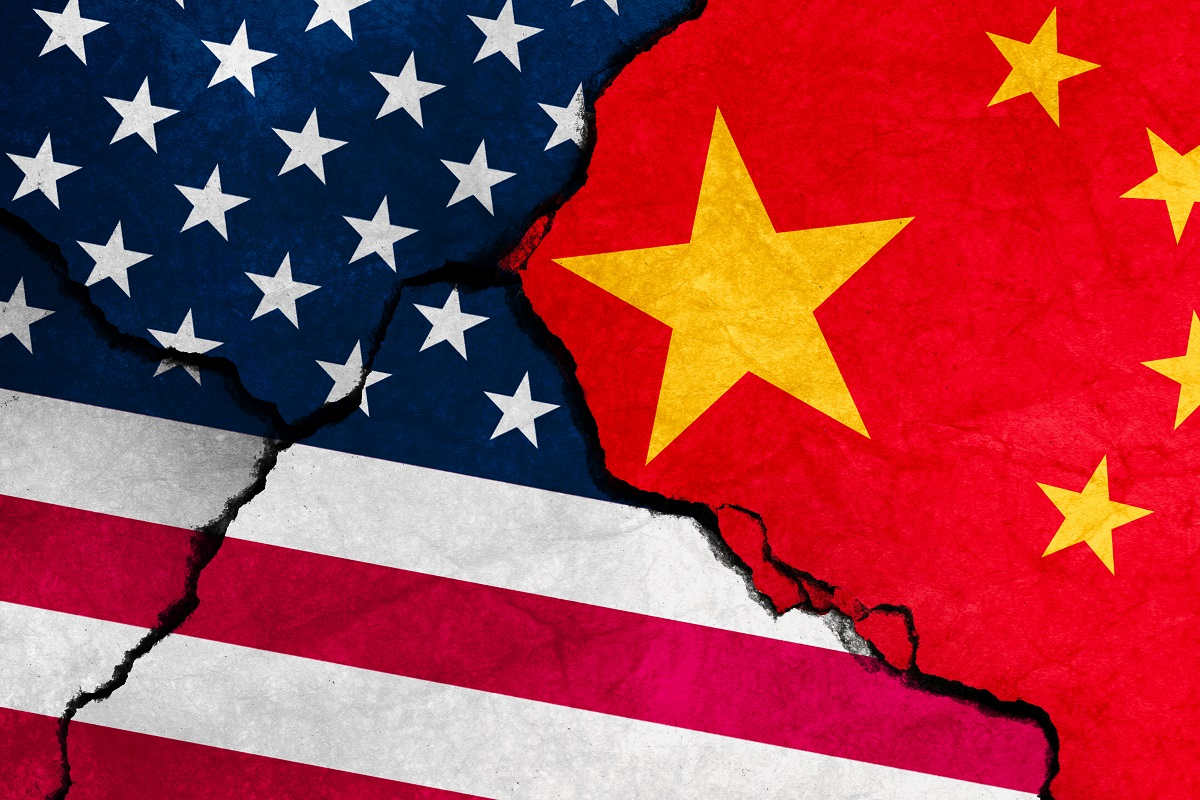
U.S. May Add More Chinese Tech Firms to Export Blacklist, Including CXMT

The U.S. Commerce Department is considering expanding its Entity List to include additional Chinese technology firms, including ChangXin Memory Technologies (CXMT) and subsidiaries of Semiconductor Manufacturing International Corporation (SMIC) and Yangtze Memory Technologies Co. (YMTC), a source familiar with the matter told Reuters.

The potential move is under review by the Bureau of Industry and Security (BIS), which oversees export controls on sensitive technologies. Companies added to the Entity List are effectively banned from receiving U.S. goods, software, and technology without a special license — one that is typically denied.

Strategic and Political Context:

  • The timing of the decision is reportedly complicated by a recent U.S.–China trade deal, according to the Financial Times, which first reported the news.

  • Inclusion on the list is reserved for entities deemed to be acting contrary to U.S. national security or foreign policy interests.”

Recent Escalations:

  • In January, the Biden administration added over two dozen Chinese entities, including:

    • Zhipu AI, a large language model developer

    • Sophgo, linked to chips produced by TSMC and allegedly incorporated into Huawei AI processors in violation of U.S. export rules

  • Those actions were accompanied by tighter controls to restrict chip flows that could indirectly support Huawei and other blacklisted firms.

Implications:

  • CXMT is a leading Chinese DRAM memory chipmaker and considered a strategic rival to U.S. memory firms such as Micron. Blacklisting CXMT would further strain U.S.–China tech relations.

  • Adding SMIC and YMTC subsidiaries would intensify U.S. efforts to curb China’s progress in semiconductor self-sufficiency and advanced chip production.

While no final decision has been announced, the move would signal a continued hardline stance on Chinese tech development, particularly in areas with potential military or surveillance applications.

Trump Administration to Scrap Biden-Era AI Chip Export Limits, Citing Innovation Concerns

The Trump administration plans to rescind and revise a key Biden-era rule that restricted exports of advanced AI chips, aiming to replace it with a streamlined system that it says will better support U.S. innovation and AI leadership, the Commerce Department confirmed on Wednesday.

The Biden administration’s rule, part of a broader effort to curb China’s access to military-grade semiconductor technology, was set to go into effect May 15. Known as the Framework for Artificial Intelligence Diffusion, the rule divided global countries into three tiers based on their level of trust and posed export caps accordingly.

Why It’s Being Scrapped:

The Commerce Department spokeswoman called the rule:

Overly complex, overly bureaucratic, and would stymie American innovation.”

She said the Trump administration is preparing a simpler replacement that removes the tier-based structure and introduces a global licensing regime governed through bilateral government agreements instead.

Tier System Under Biden Rule:

  • Tier 1: 17 allied countries + Taiwan (no restrictions)

  • Tier 2: ~120 countries (chip quantity caps)

  • Tier 3: China, Russia, Iran, North Korea (outright ban)

What Comes Next:

  • A new rule will rescind the tiered structure.

  • A government-to-government licensing regime is being discussed.

  • There’s no official timeline yet, as internal debate continues.

  • The Trump administration aims to focus on AI leadership and economic competitiveness, rather than control through blanket restrictions.

Market Reaction:

  • Nvidia (NVDA.O), a leading AI chipmaker whose sales have been constrained by export limits, rose 3% on the news, but slipped 0.7% after hours as markets absorbed the uncertainty surrounding implementation.

Strategic Context:

The Biden rule was part of a multi-year initiative to block Chinese access to cutting-edge chips used in AI and defense, while bolstering U.S. global dominance in emerging technologies. But the Trump team argues that these controls could inadvertently hurt American firms by stalling chip sales to non-hostile countries and overcomplicating enforcement.

A shift to bilateral licensing could give the U.S. more flexibility and diplomatic leverage, but critics warn it may also open loopholes and weaken safeguards designed to prevent authoritarian regimes from exploiting AI.

China Launches Antitrust Probe Into Nvidia Amid US-China Chip Tensions

China announced on Monday it has launched an antitrust investigation into Nvidia, targeting alleged violations of the country’s anti-monopoly law. This move is seen as a countermeasure to recent U.S. restrictions on China’s semiconductor industry, escalating tensions in the ongoing tech rivalry between the two nations.

The State Administration for Market Regulation (SAMR) stated that Nvidia, known for its AI and gaming chips, is under scrutiny for potentially breaching conditions set during its 2020 acquisition of Israeli chipmaker Mellanox Technologies. While details remain scarce, the regulator mentioned suspicions about Nvidia violating commitments to supply products on “fair, reasonable, and non-discriminatory” terms, among other stipulations.

Retaliatory Backdrop

This probe follows heightened tensions between Washington and Beijing. Last week, the U.S. introduced new restrictions on 140 Chinese companies, further curbing China’s access to advanced semiconductor technology. In response, Beijing banned exports of critical minerals like gallium, germanium, and antimony to the U.S.

In addition, four major Chinese industry associations called on domestic firms to reduce reliance on U.S. chips, labeling them “unsafe” and encouraging purchases from local suppliers. Nvidia, which once commanded over 90% of China’s AI chip market, has faced diminishing revenue from China, dropping from 26% of its global total two years ago to 17% by January 2023.

Nvidia’s shares fell by 2.5% on Monday following the announcement. The company stated it would cooperate with regulators and reaffirmed its commitment to honoring agreements in all regions. However, analysts like Bob O’Donnell from TECHnalysis Research believe the investigation’s immediate impact on Nvidia will be limited, as U.S. restrictions already prevent the sale of its most advanced chips to China.

Nvidia’s Strategic Adjustments

U.S. sanctions in 2022 prohibited Nvidia from selling its A100 and H100 AI chips to China, prompting the company to create modified versions for the Chinese market. Further tightened U.S. export controls in 2023 led Nvidia to develop new variants tailored to Chinese restrictions. Despite these challenges, Nvidia faces mounting competition from domestic players like Huawei.

China’s Antitrust Track Record

China’s antitrust probes into foreign tech companies are not new. The most prominent case occurred in 2013, when China fined Qualcomm $975 million for market abuse in wireless communication standards. Similar to that case, Nvidia is accused of practices such as discriminatory terms, product bundling, and unfair supply conditions—issues tied to the Mellanox acquisition conditions.

The investigation could signal Beijing’s intent to leverage regulatory tools to counter U.S. sanctions while fostering its domestic chip industry.