G20 Summit Kicks Off with Global Pact to Fight Hunger and Poverty
Global Alliance Against Hunger and Poverty
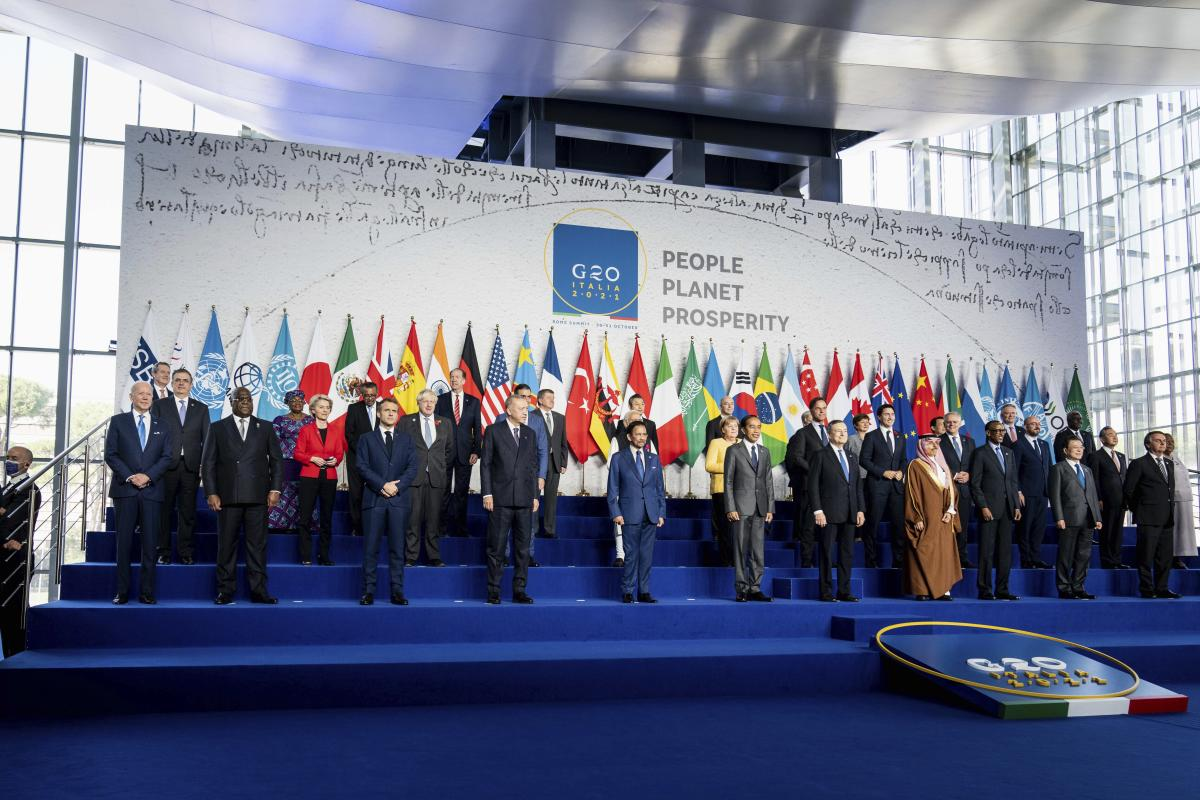
Brazil’s President Luiz Inacio Lula da Silva opened the Group of 20 (G20) summit on Monday with the launch of a groundbreaking global alliance aimed at combating hunger and poverty. A total of 81 countries have agreed to support this initiative, which emphasizes coordinated efforts to address these challenges globally.
- Alliance Backed by Major Entities: The alliance is supported by the African Union, European Union, international organizations, development banks, and major philanthropies such as the Rockefeller Foundation and the Bill & Melinda Gates Foundation.
- Lula’s Message: In his opening remarks, Lula, who rose from poverty and organized a metalworkers union, stressed that hunger and poverty are political decisions, not the result of scarcity or natural events.
G20 Agenda Amid Global Shifts
As leaders gathered in Rio de Janeiro for two days of talks, their discussions on trade, climate change, and international security are expected to clash with shifting U.S. policies under President-elect Donald Trump.
- U.S. Policy Changes: Trump’s stance on tariffs, the war in Ukraine, and other issues is set to reshape the global agenda once he takes office in January.
- Escalating Ukraine Conflict: A recent Russian airstrike on Ukraine and a new U.S. decision to allow Ukraine to use U.S. weapons to target deeper into Russia have created challenges for diplomats trying to reach consensus on the war.
Tensions and Security Concerns in Rio
Security in Rio has been heightened with the presence of Brazilian troops and police reinforcements. Despite this, a Brazilian army patrol came under gunfire near a slum in Rio de Janeiro, though no one was injured.
- Geopolitical Tensions: Amid these tensions, the summit is being held against the backdrop of escalating conflicts in Gaza and Ukraine, with discussions focused on the global governance system and economic inequalities.
New White House Priorities and China’s Role
While U.S. President Joe Biden is seen as a lame duck with only two months left in office, China’s President Xi Jinping is poised to play a central role at the summit.
- Biden’s Contributions: Biden is expected to announce a significant pledge to the World Bank’s International Development Association fund and launch a clean energy partnership with Brazil.
- China’s Economic Influence: Xi is expected to promote China’s Belt & Road initiative, although Brazil has opted not to join.
- U.S.-China Tensions: The G20 summit’s trade talks are also set to be impacted by Trump’s plans to escalate the U.S.-China trade war.
Brazil’s Push for Reform Faces Obstacles
Brazil’s efforts to push for reform in global governance and multilateral financial institutions could face challenges under Trump’s administration, particularly in areas like taxing the super-rich, an issue close to Lula’s agenda.
- Opposition from Allies: Argentine President Javier Milei, a new ally of Trump in Latin America, has already rejected including a mention of taxing the wealthy in the summit’s joint communique.