
Yazılar

Shopify Sees Resilient Revenue Growth Despite Tariff Concerns, Forecasts Strong Q2 Sales

Shopify reported steady growth in merchant sign-ups and robust consumer demand despite rising trade tensions and tariff worries, helping to calm investors after a week of volatility for e-commerce stocks.

On Thursday, the Canadian e-commerce giant said it expects second-quarter revenue growth in the mid-20% range, topping Wall Street estimates of 22.4%, supported by AI-powered merchant tools and continued strength in online retail activity.

Key Takeaways:

  • AI assistant “Sidekick” doubled its monthly average user count since January, boosting merchant productivity and engagement.

  • Shopify’s GMV exposure to China via the expiring U.S. “de minimis” exemption is minimal — just 1%, reassuring investors.

  • Q2 gross profit growth expected in the high-teens, slightly below analyst expectations of 20.2%.

  • Higher cloud infrastructure costs and pricing adjustments on subscription plans are weighing on margins.

Despite the upbeat outlook, shares slipped 3% after premarket declines, reflecting broader investor anxiety around tariffs and trade uncertainty.

Leadership Commentary:

Our business model is built for this uncertainty. It’s precisely in times like this that those building on Shopify are better prepared than those that are not,”
said President Harley Finkelstein during the earnings call.

Analyst Views:

  • D.A. Davidson’s Gil Luria noted investors remain highly sensitive to any downside risk:

    Even the smallest miss triggers concern given fears around a new global tariff regime.”

  • Ken Wong of Oppenheimer acknowledged the quarter was solid but warned of lingering risks from ongoing macroeconomic headwinds.

Despite global trade uncertainties, Shopify’s strategic tech investments and platform resilience are helping it outpace sector peers, reinforcing its reputation as a dependable platform for merchants navigating economic turbulence.
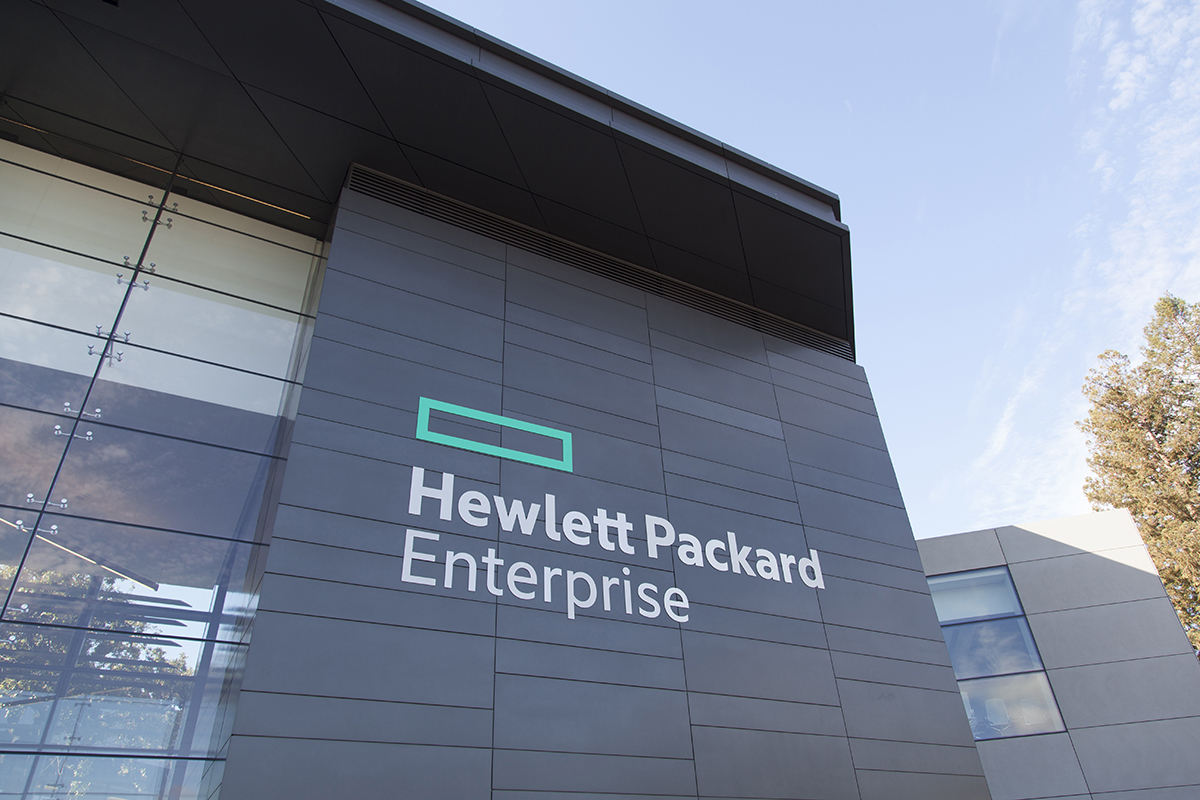
HPE Forecasts Below-Estimate Revenue Amid Tariff Impact and Cost-Cutting Measures

Hewlett Packard Enterprise (HPE) has projected quarterly revenue growth below analysts’ estimates, resulting in a nearly 20% drop in its shares in after-hours trading. The company attributed this forecast to the uncertainty created by the U.S. tariff war, which has affected its server business.

CEO Antonio Neri addressed the issue on a post-earnings call, explaining that HPE plans to adjust the prices of its products and leverage its global supply chain to mitigate the impact of both imposed and threatened tariffs. Neri added that the forecast reflects the company’s best estimate of the net effects of U.S. tariff policy.

U.S. President Donald Trump recently exempted certain goods from Canada and Mexico under a North American trade pact until April 2, temporarily easing some tariffs. However, Trump’s additional 10% duty on Chinese goods, which follows a 10% tariff imposed earlier in February, took effect this week, adding more pressure on companies like HPE.

Sales outside the U.S. account for nearly 64% of HPE’s net revenue in fiscal 2024, with key operations, including production and final assembly, based in Mexico and China. CFO Marie Myers stated that the company expects to mitigate much of the tariff impact during the second half of the year, although some effects may be felt in the second quarter as mitigation measures are gradually implemented.

HPE’s second-quarter revenue forecast falls between $7.2 billion and $7.6 billion, which is below the analysts’ expected $7.93 billion. The company’s profit forecast also missed expectations. In a bid to cut costs, HPE announced plans to lay off 5% of its global workforce, equating to approximately 2,500 jobs. These layoffs are part of a cost-saving program expected to generate about $350 million in savings by fiscal 2027. HPE had around 61,000 employees as of October 31.

Despite these challenges, the company reported first-quarter revenue of $7.85 billion, slightly surpassing analysts’ estimates of $7.82 billion. Server revenue grew by 29%, reaching $4.3 billion.

US Investors Shift Focus from Chipmakers to Software Amid AI Investment Evolution

As the AI investment boom slows, U.S. chip stocks, which were the biggest beneficiaries of last year’s surge, are struggling in 2025. The spotlight has shifted to software companies, which are now seen as the next big play in AI. This shift comes as volatility driven by tariffs and concerns about diminishing demand, coupled with the rise of lower-cost AI models from China’s DeepSeek, have weighed on semiconductor shares.

The shift towards software is being viewed by several analysts as a long-term evolution of the AI investment landscape. According to David Russell, global head of market strategy at TradeStation, there’s been a noticeable “rotation” in investor focus, especially in light of the developments surrounding DeepSeek, the semiconductor outperformance of 2024, and the ongoing restrictions on U.S. chip exports to China. “Investors are looking for the next three-to-five-year stories… those companies that will benefit from what Nvidia has already done,” he added.

So far in 2025, the Philadelphia SE Semiconductor index has fallen 5.6%, with Nvidia, a major player in the industry, down nearly 13%. In contrast, several software companies have seen significant gains, with stocks like Atlassian, CrowdStrike Holdings, Palantir Technologies, and Cognizant rising between 7% and 19%. Exchange-traded funds (ETFs) tracking software companies have also seen substantial inflows. For example, the iShares Expanded Tech-Software Sector ETF has attracted over $1.87 billion in 2025, already surpassing last year’s total inflows.

Analysts argue that this shift is a natural progression for AI investments, as the primary use cases for AI technology are in software. Adam Turnquist, chief technical strategist at LPL Financial, emphasized that LPL prefers software stocks over semiconductors, a sentiment shared by Morgan Stanley. “The second stage of the innovation cycle is when people start utilizing products, and that’s when the software companies start getting paid… we’re now starting to see the ascendancy of the software part of the equation,” said Keith Weiss, equity analyst at Morgan Stanley.

This trend is driven by concerns about how long chip stocks can sustain their growth rates, with some investors rethinking the value of these stocks as software companies continue to improve their market position. The rise of DeepSeek’s more affordable chatbot, which competes with expensive direct-to-consumer AI products, is one factor contributing to a more cautious outlook on semiconductors. According to Brian Mulberry, portfolio manager at Zacks Investment Management, competition will likely reduce profits for these products, while enterprise software companies may find it easier to monetize new AI technology.

The shift toward software stocks is also influenced by the ongoing Sino-U.S. trade tensions, which have hurt semiconductor companies. Analysts have named companies such as Palantir, Microsoft, Oracle, and Salesforce as key players in the software space, though their performance has been mixed in 2025. Palantir, which offers AI software to businesses, has seen its stock rally, while Microsoft and Salesforce have struggled, down 4.9% and 12.6%, respectively.

Despite these fluctuations, some investors remain optimistic about the long-term prospects for software companies. While valuations for software giants like Microsoft and Oracle are still considered high—trading at 27 and 23 times forward earnings, respectively—investors like Lisa Shalett, chief investment officer at Morgan Stanley Wealth Management, argue that the focus should be on AI applications, not just chips. “We don’t need more Nvidia chips, we need applications,” she said.