Yazılar

What Happens After the TikTok Ban?

The U.S. Supreme Court’s decision on Friday denied TikTok’s request to avoid a ban, putting the app at risk of shutting down in just two days, potentially affecting millions of users in the U.S. who rely on it for entertainment, e-commerce, and advertising. The ban stems from a 2024 national security law requiring TikTok’s parent company, ByteDance, to sell the app or face its closure in the U.S. by January 19.

While President-elect Donald Trump, set to take office on Monday, has hinted at seeking a political solution, the immediate effects of the ban remain uncertain.

What Happens to the App?

  • TikTok will be unavailable for download from Apple and Google app stores, and updates to the app will be prohibited. The law restricts any entity from facilitating the app’s download or maintenance.
  • Oracle, which hosts TikTok’s U.S. user data, may experience disruptions in its work with the app.
  • Despite the ban, TikTok plans to continue paying its 7,000 U.S. employees.

How Will Users Be Affected?

  • TikTok’s 170 million U.S. users who have already downloaded the app will still be able to use it for a time, but the lack of updates could render it obsolete. A web-based version may emerge but will likely offer fewer features.
  • Some users might attempt to access TikTok through virtual private networks (VPNs) to bypass the ban.
  • Alternative Chinese social media platforms, such as Xiaohongshu (RedNote), could see an increase in U.S. users.
  • Content creators on TikTok are redirecting their followers to platforms like Instagram and YouTube to prepare for the potential shutdown.

What Will Advertisers Do?

  • Advertisers have started to devise contingency plans, aware that a TikTok ban would disrupt their campaigns. If the ban is enforced, over $11 billion in annual U.S. ad spending could shift to other platforms.
  • Marketers will be watching Meta, Snap, and others to see who benefits from the spending shift.
  • Some advertisers may continue their campaigns beyond January 19 to monitor TikTok’s performance in the U.S. before reassessing their investments.

What Happens to U.S.-China Trade Relations?

  • A TikTok ban could escalate the already tense trade relations between the U.S. and China, following previous export restrictions on American semiconductor technology to Beijing.
  • Analysts suggest that President Trump could use a potential reversal of the ban as leverage in negotiations with China, possibly securing concessions or other trade benefits.

Who Are the Potential Buyers?

  • Despite TikTok’s repeated stance that it cannot be sold, some buyers are still interested. Billionaire Frank McCourt, former owner of the Los Angeles Dodgers, has valued TikTok without its algorithm at approximately $20 billion.
  • Reports have surfaced suggesting that Chinese officials might be considering a sale of TikTok’s U.S. operations to Elon Musk, though TikTok has dismissed this as “fiction.”
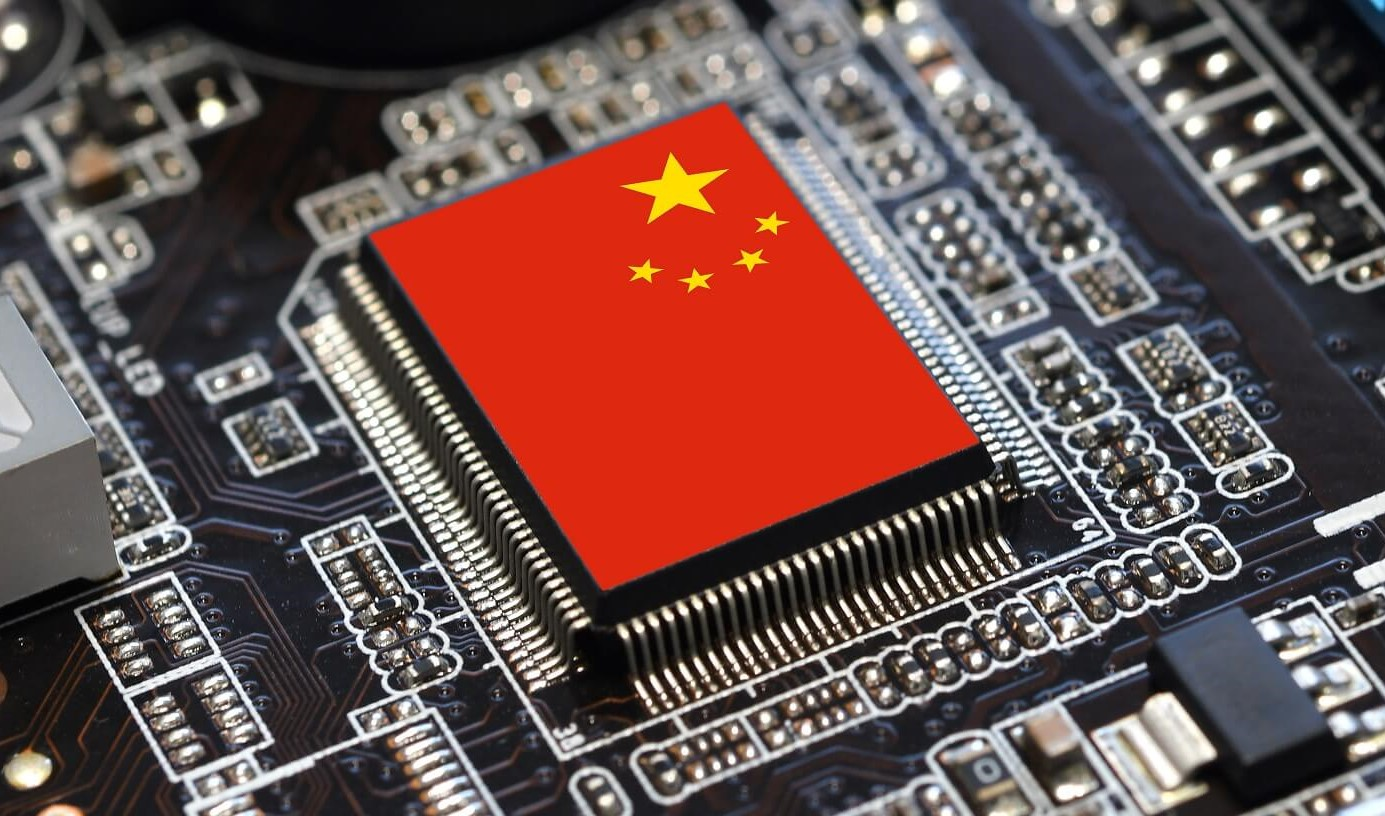
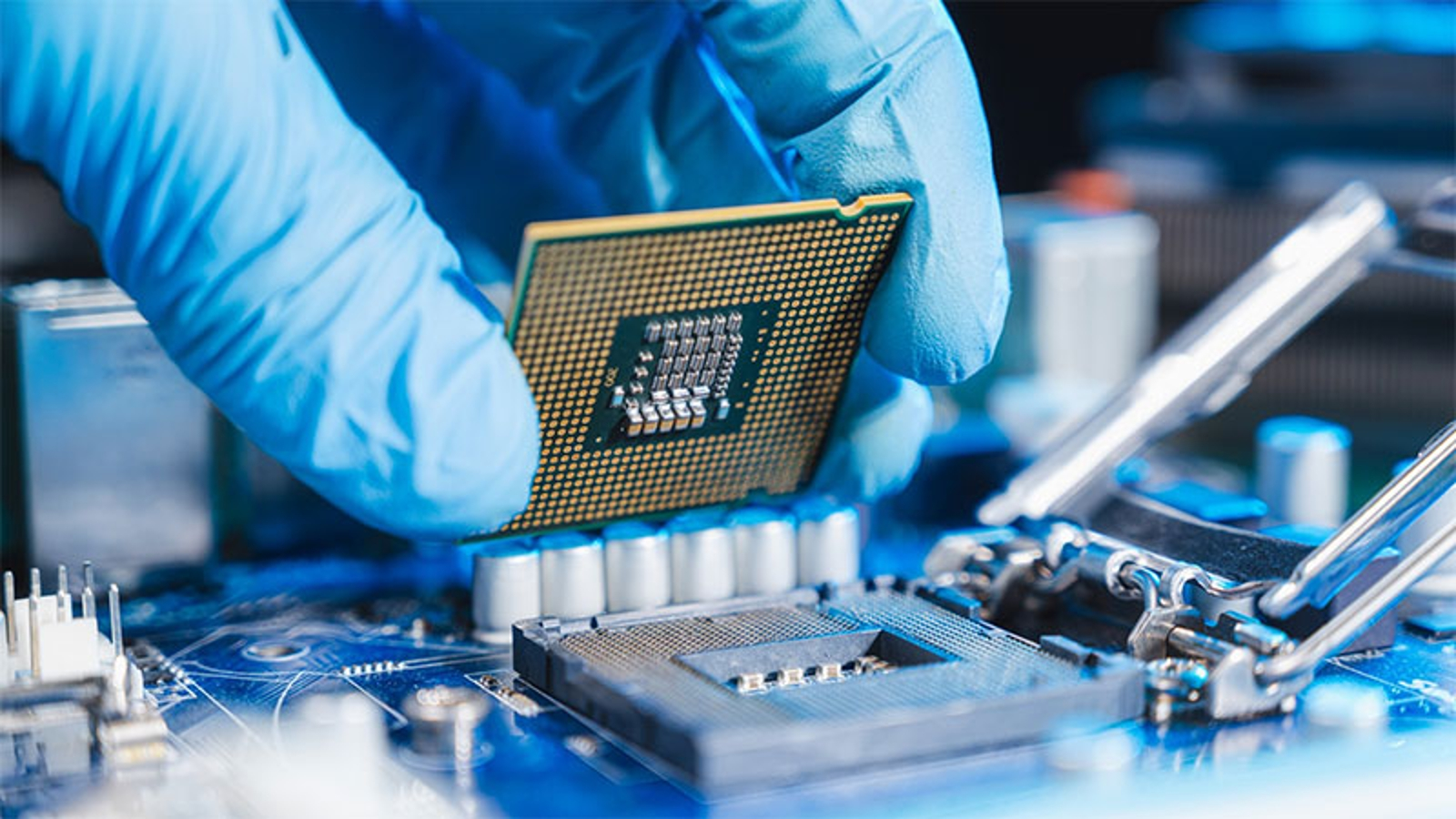
 

Biden Administration Launches Probe into Chinese Legacy Chips, Prepares to Transition to Trump

In its final weeks, the Biden administration has initiated a trade investigation targeting older Chinese-made semiconductors, known as “legacy” chips, which are widely used in everyday products such as automobiles, home appliances, and telecommunications equipment. The probe, under Section 301 of the Trade Act of 1974, aims to counter China’s state-supported semiconductor expansion, which U.S. officials argue undermines global competition by offering artificially low-priced chips.

The investigation, announced by U.S. Trade Representative Katherine Tai, is designed to protect American semiconductor producers and those in allied nations. The effort will be handed over to the incoming Trump administration, which could use it to impose additional tariffs of up to 60% on Chinese imports, aligning with Trump’s campaign promises to take a tough stance on China.

Outgoing President Joe Biden has already implemented a 50% tariff on Chinese semiconductors, effective January 1, and imposed stricter export controls on advanced chips and chipmaking tools. The Biden administration has also highlighted alarming findings, with Commerce Secretary Gina Raimondo reporting that two-thirds of U.S. products using chips contain Chinese legacy semiconductors. Moreover, half of U.S. companies, including some in defense industries, are unaware of their chips’ origins.

China’s commerce ministry denounced the investigation as “protectionist,” warning of potential disruptions to the global chip supply chain and threatening retaliatory measures. Meanwhile, Tai accused Beijing of seeking global dominance in the semiconductor industry, stating that China’s practices could harm market-oriented competitors.

PUBLIC HEARING AND TIMELINE
The probe will accept public comments starting January 6, with a public hearing scheduled for March 11-12. The investigation is expected to conclude within a year. The framework for this probe mirrors earlier Section 301 investigations that led to the imposition of tariffs on $370 billion worth of Chinese goods during the Trump administration, igniting a protracted trade war.

The Information Technology Industry Council, a U.S. tech trade group, has expressed concerns about the investigation’s potential economic ramifications. The group urged both the Biden and Trump administrations to approach the inquiry collaboratively and objectively, particularly given the complexities of the semiconductor supply chain and the risks associated with unilateral actions during a presidential transition.

IMPACT ON DOWNSTREAM GOODS
The investigation will examine not only the direct impact of imported legacy chips but also their role in downstream components and products critical to industries such as defense, automotive, and medical devices. It will also assess China’s production of silicon carbide substrates and wafers essential for semiconductor manufacturing.

The COVID-19 pandemic highlighted vulnerabilities in global semiconductor supply chains, leading to disruptions in industries like automotive and healthcare. In response, the U.S. has allocated $52.7 billion to bolster domestic semiconductor manufacturing, research, and workforce development.

The Biden administration’s last-minute actions set the stage for the Trump administration to shape the future of U.S.-China trade relations, particularly in the high-stakes semiconductor industry, as Trump has vowed to prioritize American dominance in critical technologies.


Shares of Key Chip Suppliers Jump as U.S. Considers Milder China Sanctions

Shares of global semiconductor equipment suppliers surged on Thursday following reports that the U.S. is revising its proposed sanctions on China’s chip industry, potentially implementing less restrictive measures than previously planned.

ASML, a Dutch semiconductor equipment manufacturer, saw its shares rise by approximately 4.3% in early trading in Europe. Similarly, Japan’s Tokyo Electron saw a more than 6% increase in its share price.

According to a Bloomberg report, the U.S. government is contemplating new restrictions on the sale of semiconductor equipment and AI memory chips to China, but these measures are expected to be less severe than earlier proposals.

The U.S. Commerce Department’s Bureau of Industry and Security did not provide an immediate comment regarding the Bloomberg article.

One significant shift in the proposed measures is the decision not to add certain Chinese companies to the U.S. export blacklist, known as the Entity List. Among the companies not affected is ChangXin Memory Technologies, a Chinese memory manufacturer that competes with major global players like SK Hynix and Samsung.

For ASML, analysts at Jefferies noted that the company had previously forecast a 30% revenue decline from China next year due to restrictions. However, the exclusion of ChangXin from the export blacklist could result in a smaller-than-expected decline in ASML’s Chinese sales for 2024.