Yazılar

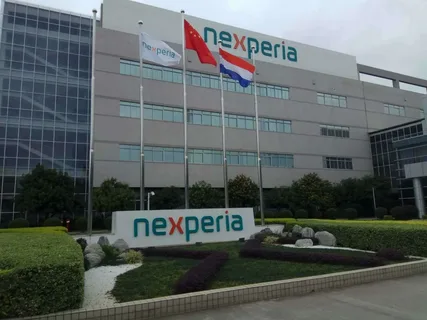
Nexperia China Says It Has Ample Inventories After Dutch Parent Halts Wafer Supplies

Nexperia’s China division said on Sunday it has built up sufficient inventories and secured its supply chain after the Dutch parent company suspended wafer shipments to its Chinese assembly facilities. The unit assured customers that production and deliveries would continue as planned despite the disruption.

The Dutch chipmaker halted wafer supplies on October 26, citing what it called the Chinese unit’s failure to comply with agreed payment terms. Nexperia China, however, rejected the accusation, calling the move “unilateral” and “extremely irresponsible,” and describing the payment-related claims as “misleading and highly deceptive.”

The dispute follows months of political tension after Dutch authorities took control of Nexperia from its Chinese owner, Wingtech, in September over national security concerns about potential technology transfers. In response, Beijing temporarily blocked the company’s products from being exported.

Nexperia China said it has “proactively initiated contingency plans” and is working to qualify new wafer suppliers, adding that existing inventories would sustain production “through year-end and beyond.” The company expects to meet full customer demand starting next year.

Nexperia produces inexpensive but essential power-control chips — such as transistors and diodes — widely used across consumer electronics and the automotive industry. Automakers have warned that any prolonged supply disruption could affect production.
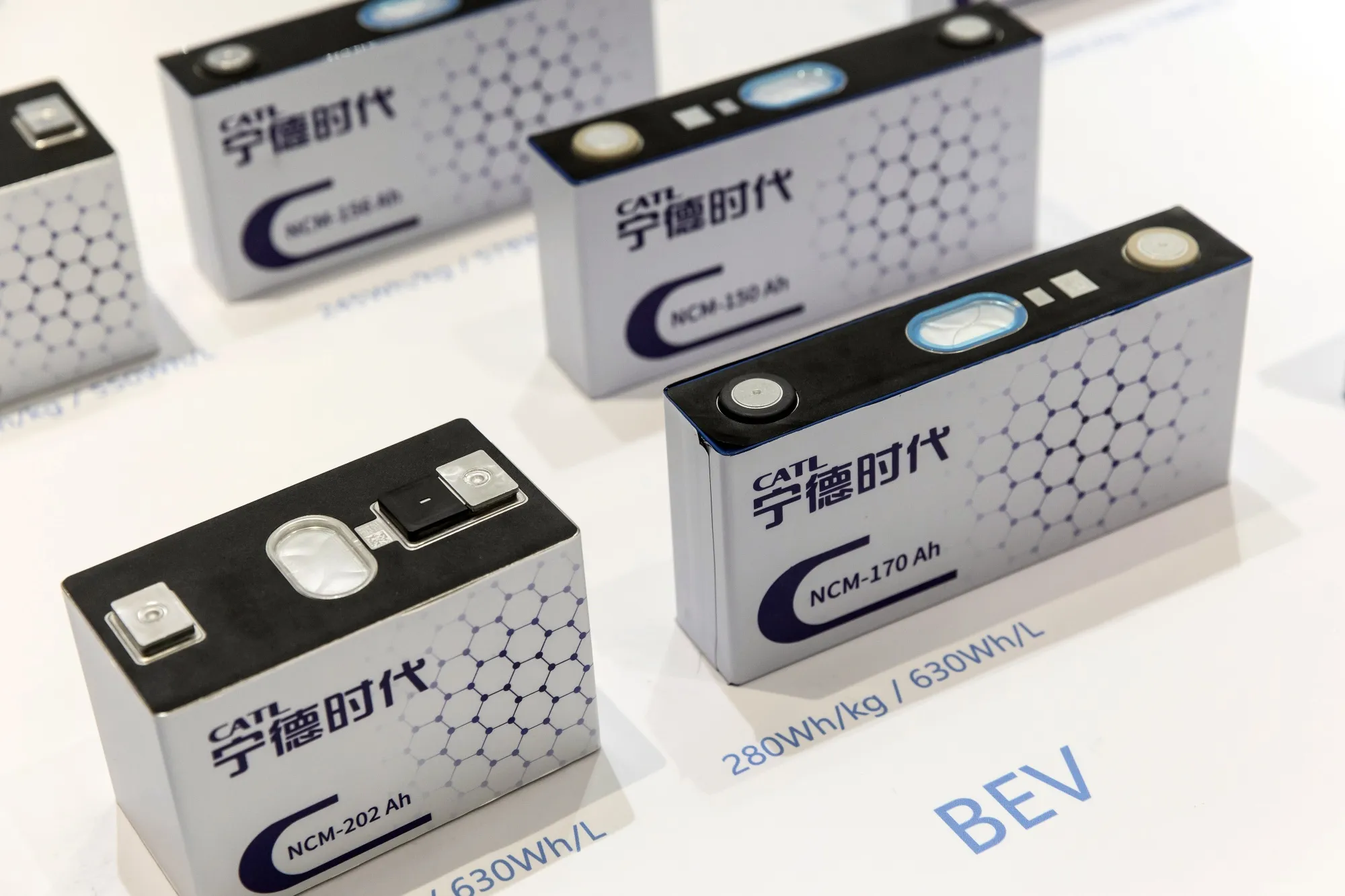
Chinese battery stocks tumble after new export controls tighten grip on EV supply chain

Chinese battery shares fell sharply on Friday after Beijing announced new export controls on lithium battery materials and technology, deepening its hold on a supply chain vital to global electric vehicle (EV) and energy storage industries.

The Ministry of Commerce said exporters of certain high-end lithium-ion batteries, cathode and graphite anode materials, and related technical know-how will now require permits starting November 8. The move follows China’s expanded restrictions on rare earths, escalating tensions with the United States ahead of a potential meeting between Presidents Donald Trump and Xi Jinping.

Shares of major producers sank: CATL dropped 6.82%, Tianqi Lithium fell 7.17%, EVE Energy plunged nearly 11%, and BYD lost 2.54% by market close. China’s New Energy Vehicles Index slid 6.02%.

“The new controls drastically expand how much of the lithium battery supply chain China is staking a claim to,” said Cory Combs of Trivium China, warning that Beijing could slow or limit export licenses to maintain leverage.

Analysts at Zaoshang Securities argued the impact should be limited, saying the measures stop short of a ban and that past controls, such as those on natural graphite, caused no major export decline. Still, investors remain uneasy as the curbs come alongside tighter EV tax exemption rules, which could hit domestic demand.

Chinese companies such as CATL and BYD, which supply automakers worldwide and operate joint ventures like the Ford-CATL plant in the U.S., could face ripple effects across global supply chains as Washington and Beijing compete for dominance in critical materials.

Trump–Xi call breathes life into TikTok U.S. asset sale talks

A call between U.S. President Donald Trump and Chinese President Xi Jinping has revived hopes for a deal that would see ByteDance divest TikTok’s U.S. assets, though key details remain unsettled.

Trump posted on Truth Social that he appreciated Xi’s “approval of the TikTok deal,” though China’s readout stopped short of endorsing a sale. Beijing instead emphasized respect for market-based negotiations that comply with Chinese law. Analysts said the difference in tone suggests both leaders want to project progress while keeping leverage in ongoing talks.

The tentative breakthrough comes after months of deadlock. Congress mandated ByteDance sell TikTok’s U.S. assets by January 2025 or face a nationwide ban, but Trump has repeatedly extended deadlines, citing TikTok’s popularity with American voters and its political value. The latest extension runs until December 19.

Still, major hurdles remain: the ownership structure, the degree of Chinese control over TikTok’s algorithm, and whether Congress will sign off. Reuters has reported that any U.S. version of TikTok under new ownership would likely continue using ByteDance’s algorithm, a sticking point for lawmakers worried about data security and influence operations.

China blocked a similar deal earlier this year amid trade tensions, and experts say it may do so again if U.S. demands cross Beijing’s red lines. “The contours of the conversation better align with China’s interests than U.S. interests,” said Scott Kennedy of CSIS, noting structural reforms were not on the table.

Wendy Cutler of the Asia Society Policy Institute called the talks “positive and constructive” but stressed that the algorithm question remains unresolved.

For now, the deal remains fragile: Beijing wants to protect its tech assets, Washington wants to claim victory on national security, and Trump is balancing political calculations against congressional pressure. Months of negotiations still lie ahead.