
Yazılar

Trump Explores Privatizing U.S. Postal Service Amid Financial Challenges

President-elect Donald Trump has expressed a growing interest in privatizing the U.S. Postal Service (USPS), according to a Washington Post report on Saturday. The report, citing insiders familiar with the discussions, revealed that Trump views the USPS’s financial struggles as a justification for removing its government subsidy.

The USPS, which has incurred losses exceeding $100 billion since 2007, reported a $9.5 billion net loss for its fiscal year ending September 30, marking a $3 billion increase from the previous year. Much of the loss was attributed to higher non-cash workers’ compensation expenses.

Trump reportedly discussed privatization plans with Howard Lutnick, his nominee for commerce secretary, during a meeting at Mar-a-Lago. Additionally, officials expected to join the Department of Government Efficiency under Elon Musk and Vivek Ramaswamy have also explored potential USPS reforms, sources revealed.

A USPS spokesperson highlighted efforts to cut costs, including reducing 45 million work hours and trimming $2 billion in transportation expenses over the past three years. They also stated that regulatory approval for modernizing the postal network could save the agency $3.6-$3.7 billion annually.

Karoline Leavitt, a spokesperson for Trump’s transition team, emphasized that no policy decisions are final until officially announced by Trump or his representatives.

Privatization of the USPS could have significant repercussions, particularly for the U.S. e-commerce sector and rural communities. Amazon, a major USPS partner for last-mile delivery, and small businesses reliant on affordable shipping options could face disruptions. As the only carrier delivering to remote areas, USPS plays a critical role in serving rural Americans.

Amazon, which announced a $1 million donation to Trump’s inaugural fund, may also face further scrutiny. The Trump transition team is reportedly reviewing USPS contracts with Oshkosh and Ford for electrifying its delivery fleet, potentially seeking to unwind these agreements.

The USPS’s financial struggles have been a contentious issue for years. In 2020, Congress authorized a $10 billion loan for the agency as part of a $2.3 trillion coronavirus relief package, a measure Trump threatened to veto.

If pursued, privatization would represent one of the most significant shifts in USPS’s history, raising questions about the future of affordable and universal mail delivery in the United States.

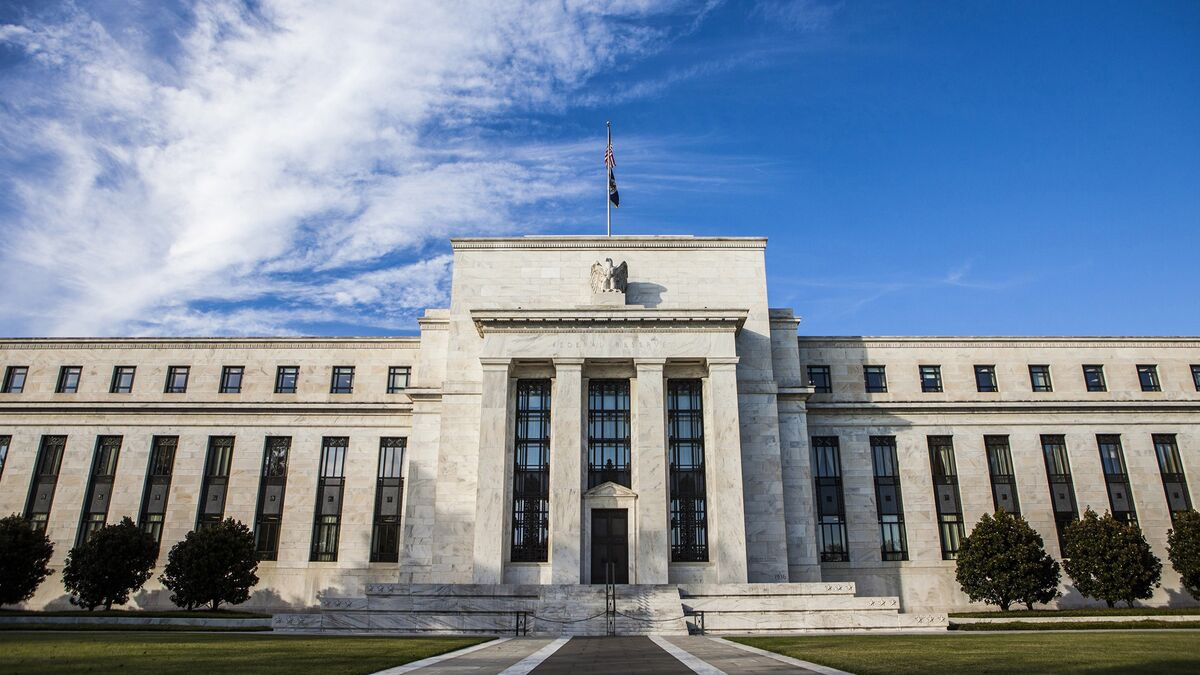
 

U.S. Inflation Edges Up, But Investors Find Reasons to Be Thankful

Inflation Data and Market Reactions

U.S. inflation in October showed a modest uptick, with the personal consumption expenditures (PCE) price index rising by 0.2% month-over-month and 2.3% year-over-year, as reported by the U.S. Commerce Department. Core inflation, which excludes food and energy, increased by 0.3% month-over-month, with an annual reading of 2.8%, slightly higher than the previous month’s 2.7%. These figures were in line with analysts’ expectations, and they had little impact on investor sentiment.

Despite the inflation data, U.S. stock markets saw a pause in their recent rally. The S&P 500 ended its seven-day winning streak, falling by 0.38%. Bond prices rose as Treasury yields slipped. On the global front, Asia-Pacific stocks saw a mixed performance, with Australia’s S&P/ASX 200 climbing to a record high, while South Korea’s Kospi index remained flat after an unexpected rate cut by its central bank.

South Korea’s Unexpected Rate Cut

On Thursday, the Bank of Korea (BOK) reduced its benchmark interest rate by 25 basis points to 3%, surprising economists who had expected no change. This decision came after South Korea reported disappointing third-quarter GDP growth of just 0.1%. The BOK also lowered its 2024 growth outlook to 2.2%, down from 2.4%. The rate cut is seen as a response to slow economic activity and the need for stimulus.

Yuan Pressure Amid Tariff Threats

China’s offshore yuan is facing downward pressure, with forecasts predicting it could weaken to an average of 7.51 per U.S. dollar by the end of 2025, marking its lowest level on record. This decline is largely attributed to concerns over U.S. tariff threats and lower interest rates in China. As tensions rise between the U.S. and China, the yuan is expected to face further challenges, adding to the uncertainty in the global markets.

U.S. Tariffs: Potential Winners and Losers

While U.S. President-elect Donald Trump’s tariff plans raise concerns for investors and companies, some sectors could stand to benefit. The proposed tariffs could be advantageous for technology firms that specialize in optimizing supply chains. These companies could gain from the increased demand for their services as businesses seek to adjust to the higher costs imposed by tariffs.

Investor Sentiment Ahead of Thanksgiving

Ahead of the Thanksgiving holiday, U.S. investors kept their trading light, with trading volume in the SPDR S&P 500 exchange-traded fund (ETF) falling by 22.6% below its 30-day average. Despite the S&P 500’s dip and the Dow Jones Industrial Average’s 0.31% slide, there were no signs of a panic sell-off. Instead, traders appeared to be taking profits from Big Tech stocks, causing the Nasdaq Composite to drop 0.6%.

Inflation’s modest increase didn’t rattle investors either. In fact, many seem confident that the U.S. Federal Reserve may lower interest rates by 25 basis points at its upcoming December meeting. Market expectations for this rate cut have risen to 68.2%, up from 55.7% a week earlier, according to the CME FedWatch tool.

A Bright Market Outlook

Despite some market fluctuations, the overall sentiment remains positive. Chris Verrone from Strategas noted that over three-quarters of the stocks in the S&P 500 are above their 200-day moving average, indicating a steady upward trend and a healthy market. With the economy nearing full employment and inflationary pressures easing, many analysts believe that the market is still in a solid position, providing investors with plenty to be thankful for this Thanksgiving.


Elon Musk Endorses Plan for Presidential Influence Over Federal Reserve Following Trump’s Election Win

Elon Musk, CEO of Tesla and SpaceX, has publicly supported the notion of allowing presidents to influence the Federal Reserve’s policy decisions, following Donald Trump’s recent presidential election victory. Musk’s endorsement came on Friday in response to a social media post by Republican Senator Mike Lee of Utah, who proposed the Fed should be under the president’s control and used the hashtag “#EndtheFed.” Musk replied to the post with a “100” emoji, signaling his agreement.

The exchange highlights a renewed interest in challenging the Federal Reserve’s traditional independence. This move aligns with Trump’s past stance on the issue; during his first presidential term, he openly criticized Fed Chair Jerome Powell and suggested that the president should have a voice in the central bank’s monetary policies. Trump, who frequently expressed frustration with Fed decisions, argued he had “better instincts” regarding economic policy than some Federal Reserve officials, given his business success.

Federal Reserve independence is a principle established to enable monetary policy decisions, like setting interest rates, based on economic projections rather than political motivations. This separation is intended to promote economic stability, shielding the central bank from political cycles. Nevertheless, Trump has repeatedly voiced his preference for executive influence over the Fed, particularly during his 2024 campaign, asserting in August that presidential input would benefit the economy.

On Thursday, in the wake of Trump’s election victory, Powell emphasized his commitment to maintaining Fed independence, stating he would not step down if asked by the president. Powell’s stance suggests that the Trump administration’s potential pressure on the Fed could reignite tensions over the independence of U.S. monetary policy.