Yazılar

Europol Urges Financial Sector to Prepare for Quantum Computing Risks

Europol’s Quantum Safe Financial Forum has called on Europe’s financial industry to start preparing for the potential risks posed by quantum computers, which could break commonly used encryption methods within the next 10 to 15 years. The group, which focuses on safeguarding sensitive financial data, issued a warning on Friday about the risks quantum computing poses to customer confidentiality, peer communications, authentication processes, and trust in digital signatures.

Although quantum computers capable of such threats may still be a decade or more away, the timeline could accelerate, the forum warned. Despite the emerging risks, the forum believes new regulations are unnecessary, as current European Union data protection laws are sufficient.

The Quantum Safe Financial Forum includes representatives from the U.S., European, and British central banks, along with major financial institutions such as Allianz, Santander, Barclays, BNP Paribas, Mastercard, Moody’s, and European banking associations.

Quantum computers operate by leveraging subatomic particles to perform calculations more efficiently than traditional binary computing systems. Given their potential to decrypt today’s secure communications, the forum recommended that financial institutions begin identifying which cryptographic standards are vulnerable to quantum computing and start drafting operational plans to mitigate future risks.

The forum also cautioned that criminals may already be storing sensitive encrypted data with the intention of decrypting it once quantum computing becomes more powerful.

The U.S. government has already set a 2035 deadline for federal agencies to become “quantum resistant,” underscoring the urgency for global financial institutions to follow suit.

Palantir Warns Against DeepSeek AI, Projects Strong 2025 Revenue

Palantir has advised its clients, particularly those in the U.S. government, against using AI models developed by Chinese startup DeepSeek, citing security concerns. Chief Revenue Officer Ryan Taylor stated that no U.S. government entity would be able to use DeepSeek’s technology. His comments follow reports that federal agencies, including NASA, have banned the use of DeepSeek’s AI.

Despite these concerns, Palantir reported strong financial projections, forecasting first-quarter and full-year revenue above Wall Street expectations. The company expects 2025 revenue to range between $3.74 billion and $3.76 billion, surpassing analysts’ estimates of $3.52 billion. This optimistic outlook drove Palantir’s stock up 22% in extended trading.

More than 40% of Palantir’s fourth-quarter sales came from the U.S. government, reflecting its deep ties to federal agencies. Analyst Gil Luria noted that Palantir’s strategic vision aligns well with current government priorities. However, the company is actively expanding its commercial sector presence, projecting a 54% increase in U.S. business revenue to over $1.8 billion in 2025.

Palantir’s AI platform, AIP, has gained traction as businesses seek to deploy generative AI for testing, debugging, and scenario analysis. Additionally, Taylor suggested that the expanded tariffs announced by former President Trump could boost demand for Palantir’s supply-chain and logistics analytics.

For the fourth quarter, Palantir reported adjusted earnings of 14 cents per share, beating analysts’ expectations of 11 cents. It also forecast first-quarter revenue between $858 million and $862 million, well above the estimated $799.4 million.


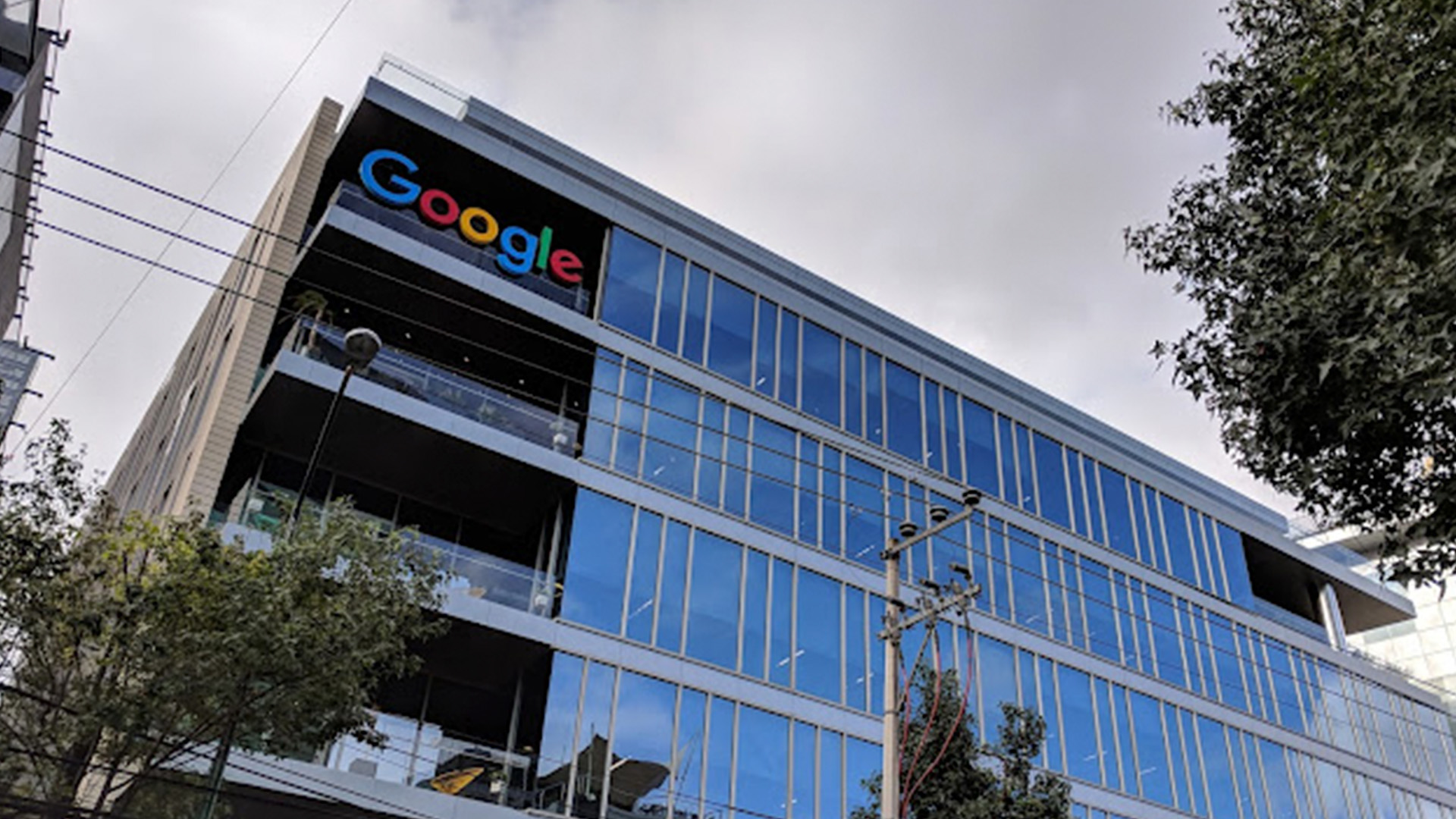
Mexico to Address Google’s Gulf of Mexico Name Change

Key Points:

  • Mexico’s President Claudia Sheinbaum announced that the government will send a letter to Google in response to a name change in Google Maps for users in the United States.
  • Google confirmed that, in line with its policy for differing official names across countries, U.S. users would now see the Gulf of America instead of the Gulf of Mexico.
  • The U.S. government officially rebranded the Gulf of Mexico as the Gulf of America on Friday, prompting this diplomatic move by Mexico.

Government’s Response and Plans:

  • Mexico intends to address the name change through official correspondence to Google regarding the implications of altering the geographical name.
  • This move signals ongoing tensions around national sovereignty and the proper recognition of international geographical features.