Yazılar

U.S. Senate Blocks Stablecoin Bill, Delivering Setback to Crypto Industry

A bill aimed at establishing a U.S. regulatory framework for stablecoins failed to advance in the Senate on Thursday, marking a significant setback for the crypto industry and stalling hopes for near-term federal legislation governing dollar-pegged digital tokens.

Known as the GENIUS Act, the legislation fell short of the 60 votes needed to proceed to a full Senate vote, securing only 49 votes in favor. The failure comes despite months of lobbying by the crypto sector, which poured over $119 million into supporting pro-crypto candidates during last year’s election cycle and framed stablecoin regulation as a bipartisan issue.

Stablecoins — cryptocurrencies designed to maintain a stable 1:1 peg to the U.S. dollar — are widely used in crypto trading and payments, and their mainstream use has grown rapidly. While the industry had hoped the bill would pass this year, Democratic pushback intensified, particularly in light of former President Trump’s growing involvement in crypto ventures.

Two Republican senators — Josh Hawley and Rand Paulvoted against the bill alongside most Democrats, citing unresolved concerns. Senator Mark Warner, a Democrat who had previously backed the bill in committee, explained his opposition during the vote:

The work is not yet complete, and I simply cannot in good conscience ask my colleagues to vote for this legislation when the text isn’t finished.”

A group of Democrats who initially supported the measure accused Republicans of refusing to strengthen the bill’s anti-money laundering safeguards and foreign stablecoin oversight, particularly following news that Trump-affiliated World Liberty Financial would launch a stablecoin to support a $2 billion Abu Dhabi-backed investment in Binance.

Senate Majority Leader John Thune expressed frustration on the floor after the vote, blaming Democrats for halting momentum:

Not every bill that comes to the floor is a final bill… This was a missed opportunity for a bipartisan win.”

With this latest setback, the path forward for stablecoin regulation remains uncertain, and the crypto industry is left grappling with yet another delay in achieving formal legal clarity in the U.S. financial system.

Trump Suggests Keeping TikTok in the US for the Time Being

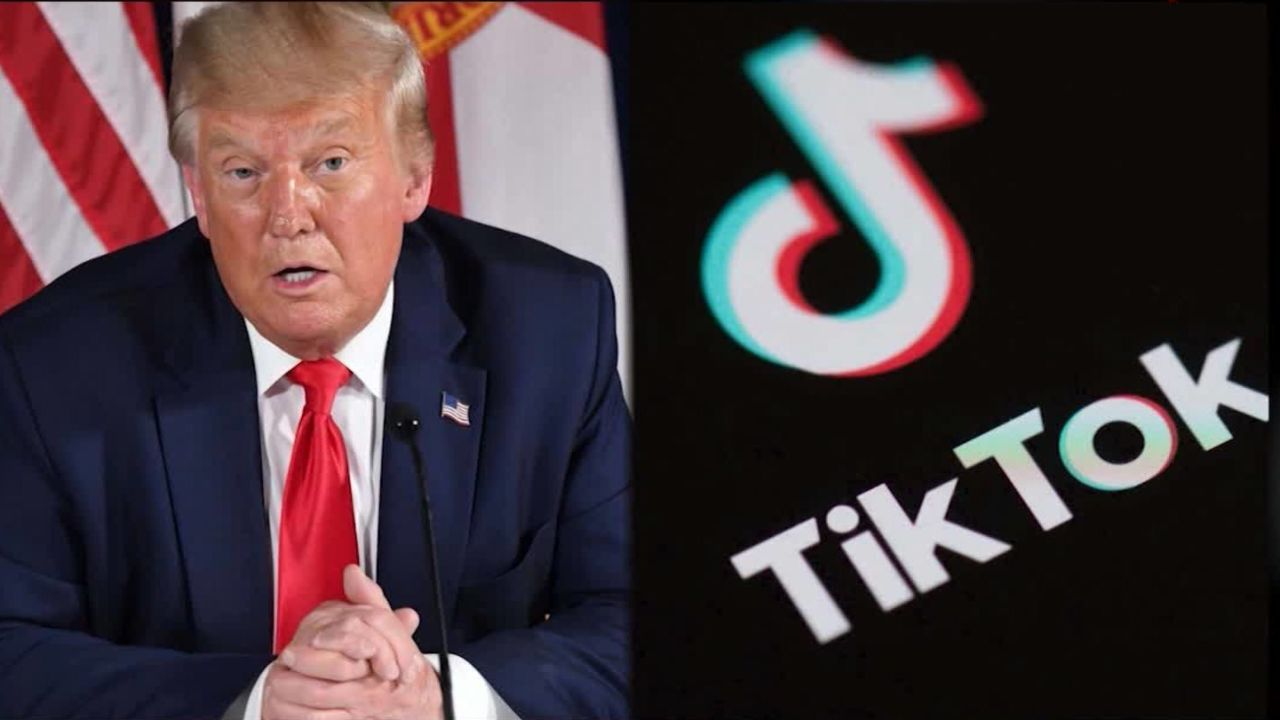
President-elect Donald Trump has expressed a preference for allowing TikTok to continue operating in the United States, citing the platform’s significant role in his presidential campaign. Speaking to a conservative crowd in Phoenix, Arizona, Trump remarked on the app’s success during his campaign, noting the billions of views he received on TikTok. These comments are the strongest indication yet that he opposes a potential U.S. exit for the popular social media platform.

Earlier in April, the U.S. Senate passed a law demanding TikTok’s Chinese parent company, ByteDance, divest the app, citing national security concerns. TikTok has fought this move in court, and the U.S. Supreme Court has agreed to hear the case. If ByteDance loses and no divestment occurs, the app may face a ban in the U.S. by January 19, just one day before Trump’s inauguration.

Trump, however, hinted that the situation might need to be reconsidered. He referred to the overwhelming response to his content on TikTok, saying, “Maybe we gotta keep this sucker around for a little while.” He also met with TikTok’s CEO on Monday and expressed a “warm spot” for the app due to its impact on his campaign’s visibility.

Despite Trump’s remarks, the U.S. Justice Department maintains that TikTok, under Chinese ownership, poses a national security threat. This position is widely supported by U.S. lawmakers. TikTok, however, defends its operations, asserting that user data is stored in the U.S. on servers run by Oracle Corp and that decisions about content moderation are made within the country.


US Agencies to Brief House on Chinese “Salt Typhoon” Telecom Hacking

U.S. government agencies are set to hold a classified briefing on Tuesday for the House of Representatives regarding China’s alleged cyber espionage campaign, known as “Salt Typhoon.” The operation reportedly targeted American telecommunications companies, attempting to steal sensitive data, including metadata about U.S. calls.

The briefing, scheduled for 2:15 p.m. ET, will involve key agencies such as the FBI, the Office of the Director of National Intelligence, the Federal Communications Commission (FCC), the National Security Council, and the Cybersecurity and Infrastructure Security Agency (CISA). This session follows a similar briefing last week for senators.


Details on the Breach

The White House recently revealed that at least eight U.S. telecommunications companies and telecom infrastructure firms had been impacted by the Salt Typhoon campaign. A significant amount of metadata related to U.S. communications was reportedly stolen.

While Chinese officials have denied the allegations, calling them disinformation, there is growing concern within the U.S. government over the scale of the breach and its implications for national security and privacy.


Legislative and Regulatory Responses

Senator Ron Wyden has indicated he is working on draft legislation in response to the breach, while Senator Bob Casey expressed concerns about the timing of Congressional action, noting that a resolution might not come until next year.

Additionally, a Senate Commerce subcommittee will hold a hearing on Wednesday to examine how security threats, like Salt Typhoon, pose risks to communication networks and review industry best practices. Tim Donovan, CEO of the Competitive Carriers Association, is scheduled to participate in the hearing.


Security Concerns and Industry Impact

Senator Richard Blumenthal emphasized the alarming scope of Chinese hacking into U.S. telecom networks, describing it as “mind-boggling” and expressing deep concern about the lack of assurances for the public. The hacking campaign reportedly targeted major telecom companies, including Verizon, AT&T, and Lumen, extracting sensitive data like telephone audio intercepts and call records.


Looking Ahead

The Salt Typhoon breach has sparked debates about cybersecurity readiness and the need for stronger protections against foreign cyber espionage. U.S. lawmakers and regulators are under pressure to address vulnerabilities in the telecommunications infrastructure and reassure the public on the measures being taken to secure their communications.