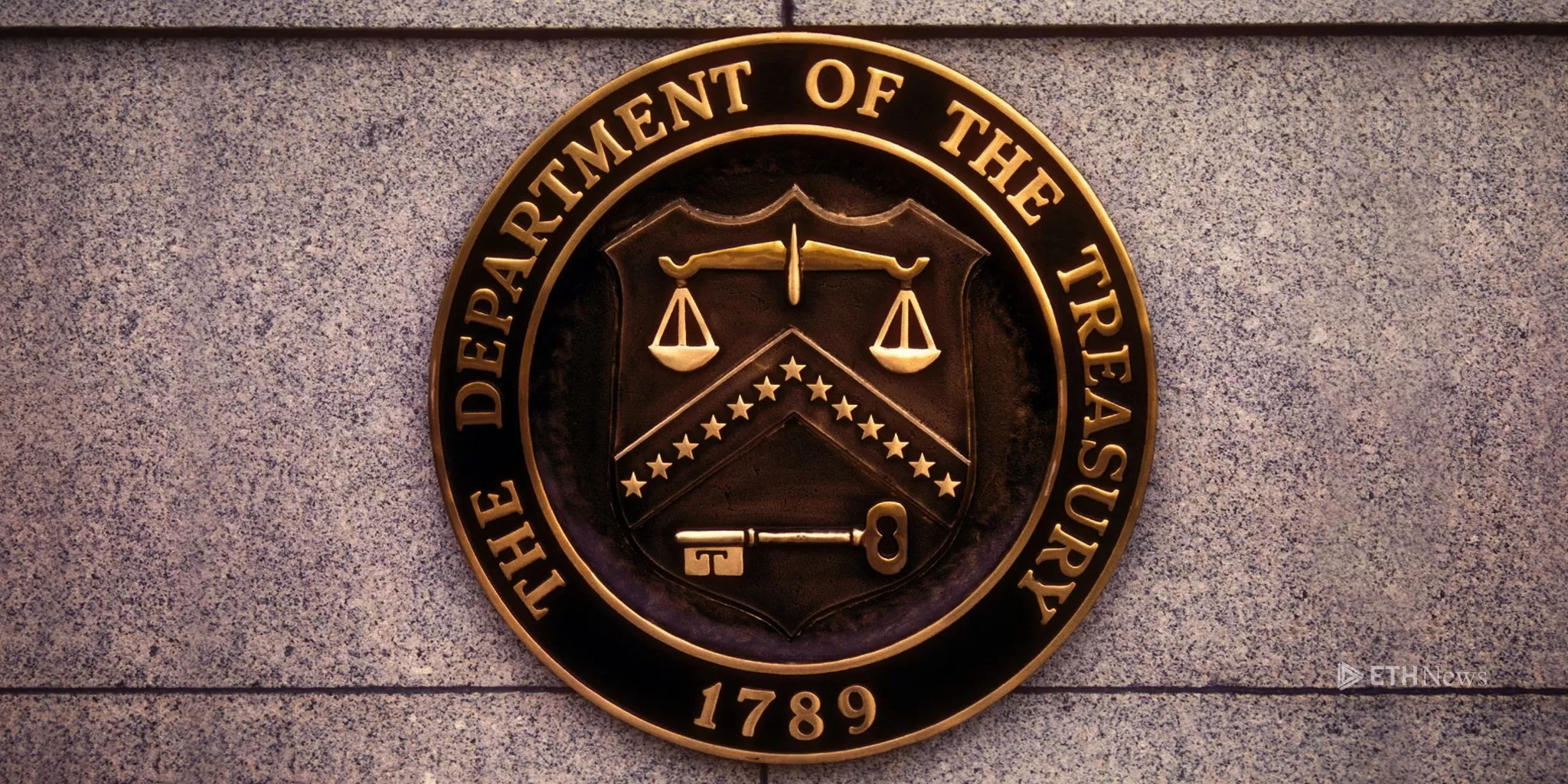
Chinese Hack of U.S. Treasury Targets Economic Sanctions Office
A cyberattack by Chinese government hackers successfully breached the U.S. Treasury’s office responsible for administering economic sanctions, the Washington Post reported on Wednesday. According to unnamed U.S. officials, the hackers infiltrated the Office of Foreign Assets Control (OFAC), the Office of Financial Research (OFR), and even targeted the office of U.S. Treasury Secretary Janet Yellen.
The Treasury Department had already disclosed the breach earlier this week in a letter to lawmakers, describing it as a “major incident” where unclassified documents were stolen. However, the department did not reveal the specific departments or individuals affected by the attack.
In response to the Washington Post‘s report, Liu Pengyu, a spokesperson for the Chinese Embassy in Washington, dismissed the U.S. claims as “irrational” and lacking factual basis, calling them “smear attacks” against China. The statement emphasized that China opposes all forms of cyberattacks but did not specifically address the report regarding the targeted offices.
The Treasury Department has not yet commented on the details revealed in the Washington Post report. According to the sources cited by the paper, Chinese government hackers were likely focused on gathering intelligence about Chinese entities that the U.S. might consider sanctioning in the future.
The Treasury’s earlier disclosure mentioned that the breach involved third-party cybersecurity service provider BeyondTrust. Chinese entities and individuals have been frequent targets of U.S. sanctions, which are a key component of Washington’s foreign policy towards Beijing. Last month, U.S. Treasury Secretary Janet Yellen confirmed that the U.S. would not rule out sanctions on Chinese banks in its efforts to curb Russia’s oil revenue and limit access to foreign supplies, in connection with the ongoing war in Ukraine.