Yazılar

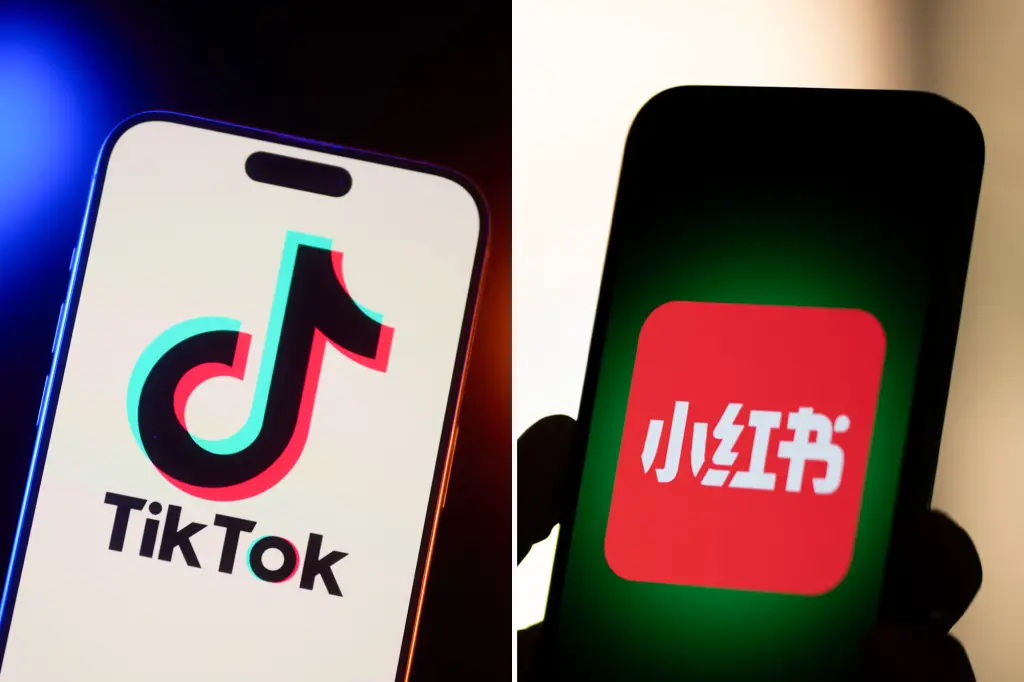
China Welcomes ‘TikTok Refugees’ on RedNote Amid Growing Tensions with U.S.

Chinese social media app RedNote has experienced an influx of new users, primarily from the U.S., in recent days. The surge in registrations has been driven by concerns over a potential U.S. ban on TikTok, leading many Americans to seek alternative platforms. RedNote, known in China as Xiaohongshu, has transformed from a lifestyle-sharing app to a surprising venue for U.S.-China cultural exchange. Newcomers have been welcomed with selfies and messages, with Chinese users eager to respond to inquiries about everything from Chinese food to tourist attractions.

Despite the warm reception from some, not all Chinese users are thrilled with the changes. Some have voiced concerns about their platform being overtaken by foreign influences, while nationalist bloggers have warned against the potential spread of American ideologies. The sudden shift in user demographics has raised alarms among certain sectors of Chinese society, including some critics who believe foreign users could subtly promote Western values.

China’s foreign ministry emphasized that the use of social media is a “personal choice” and reiterated the country’s support for cultural exchanges. RedNote, unlike many Chinese social media platforms that require foreign phone numbers, does not impose such restrictions, making it more accessible to international users. However, some reports suggest that certain users are testing the platform’s censorship boundaries, particularly on sensitive topics such as the Tiananmen Square incident.

Experts predict that the sudden popularity of RedNote among U.S. users may be short-lived, with the platform unprepared to handle the influx of foreign content. While the atmosphere remains welcoming for now, it remains unclear how long this exchange will last in the face of potential censorship challenges.


Instagram Outage Reports Drop Significantly in the U.S., Downdetector Shows

Instagram’s outage incidents in the U.S. saw a sharp decline on Wednesday morning, according to Downdetector.com, signaling that the issue affecting many users had largely been resolved. By 9:32 a.m. ET, only 619 outage reports were logged, down from a peak of 11,255 earlier in the day. Downdetector tracks service disruptions by gathering status reports from various sources, though the actual number of affected users may differ.

Meta, the parent company of Instagram, did not immediately respond to requests for comment regarding the outage. The platform’s services, including Instagram, Facebook, and WhatsApp, have experienced disruptions on multiple occasions in the past year, with a major global outage in March.


Nvidia Shifts Focus to New Advanced Packaging Technology

Nvidia’s CEO Jensen Huang confirmed that while the company’s demand for advanced packaging from TSMC remains robust, the specific type of technology required is evolving. At an event in Taichung, Taiwan, Huang explained that Nvidia is transitioning its focus from CoWoS-S to CoWoS-L for its upcoming Blackwell AI chips. This shift, however, does not signal a reduction in capacity, but rather an increase in the use of CoWoS-L, a newer, more advanced version of TSMC’s chip packaging technology.

Nvidia had previously relied heavily on CoWoS-S for its AI chips, including the Hopper platform. As the company moves into Blackwell, which was unveiled in March 2024, it plans to transition existing CoWoS-S capacity to CoWoS-L. This change will impact TSMC’s supply chain but is seen as a step forward in Nvidia’s push to meet the growing demand for its AI chips.

Huang also noted that while packaging capacity for these advanced chips had previously been a bottleneck, it had expanded significantly in recent years, with available capacity now approximately four times greater than it was two years ago. Despite the increased demand, Nvidia has not been cutting orders but is instead increasing its reliance on CoWoS-L, which is expected to better meet the needs of Blackwell’s design.

The move to CoWoS-L technology and changes in Nvidia’s order patterns have sparked speculation about the potential impact on TSMC’s revenue, particularly with analysts like Ming-Chi Kuo noting the shift in Nvidia’s focus. Huang declined to comment on recent U.S. export restrictions that limit AI chip sales to countries outside a select group of U.S. allies, but the company’s strategies continue to evolve in response to market demands and geopolitical factors.