Yazılar

Uber and Momenta to Launch Level 4 Self-Driving Tests in Munich in 2026

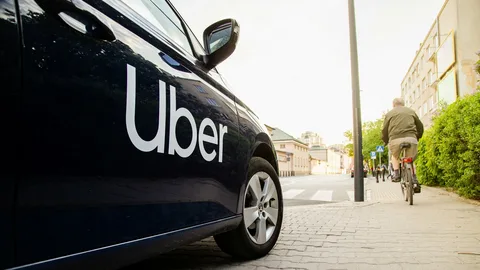
Uber and Chinese autonomous driving firm Momenta announced Monday that they will begin testing Level 4 self-driving vehicles in Munich, Germany, starting next year. The move marks Uber’s latest push to expand its robotaxi business beyond the U.S. and China.

Level 4 autonomy refers to vehicles capable of fully automated driving within defined conditions, though regulators still require safety oversight. Germany has emerged as a key testbed for autonomous mobility, with favorable legal frameworks and major automakers advancing the technology.

Uber has sought to secure its place in the robotaxi race through partnerships with Waymo (Alphabet), Lucid, and WeRide, while rivals like Tesla are also scaling their autonomous taxi services.

For its part, Momenta brings significant real-world experience. Its driver-assistance technology is already deployed in 400,000 vehicles globally through automaker partnerships. The collaboration with Uber, first announced in May, aims to accelerate deployment in international markets outside the U.S. and China.

The launch in Munich underscores the intensifying global competition in autonomous mobility, even as regulators maintain tight scrutiny following high-profile accidents in the sector.
Avride to Expand Testing of Robotaxis Ahead of Uber Launch

Autonomous technology startup Avride announced on Thursday that it will expand vehicle testing in Dallas as part of its plans to roll out robotaxis on Uber’s (UBER.N) ride-hailing platform later this year. The move marks another step in Avride’s partnership with Uber, aimed at making autonomous transportation part of mainstream mobility.

Avride first teamed up with Uber in October 2023, deploying delivery robots on Uber Eats in Austin. That service later expanded to Dallas and Jersey City. By the end of this year, Avride’s robotaxis will also be available through Uber, bringing both its delivery and passenger services onto a single platform.

“Soon, Uber riders will have a new way to move around the city, marking another step toward making autonomous transportation part of everyday life,” said Sarfraz Maredia, Uber’s head of autonomous mobility and delivery.

The robotaxi fleet will be based on Hyundai Motor’s (005380.KS) IONIQ 5 electric vehicle, enhanced with Avride’s autonomous driving system. The partnership with Hyundai, signed in March, also includes joint development and operations of self-driving cars.

Beyond ride-hailing, Avride has extended its reach into food delivery. It has partnered with Grubhub to deploy autonomous robots on U.S. college campuses, broadening its commercialization strategy across both passenger and delivery markets.

Uber Seeks Funding from Banks and Private Equity to Expand Robotaxi Business

Uber CEO Dara Khosrowshahi revealed that the company is in discussions with private equity firms and banks to secure financing for the expansion of its robotaxi operations. This move aligns with Uber’s strategy to scale up its autonomous vehicle business amid growing competition and interest in self-driving technology.

Uber currently offers robotaxi rides through a partnership with Alphabet-owned Waymo and is deepening ties with automakers such as Volkswagen and Lucid to increase its fleet of autonomous vehicles. The company’s robotaxi business model includes three approaches: charging fixed rates to vehicle-owning partners, revenue sharing with fleet operators, and owning vehicles while licensing the self-driving software.

Khosrowshahi emphasized that once Uber demonstrates the revenue potential per vehicle, attracting additional financing will be easier. Presently, the company plans to allocate a “modest” part of its roughly $7 billion annual cash flow towards robotaxi deployment and may also consider selling minority stakes to fund expansion.

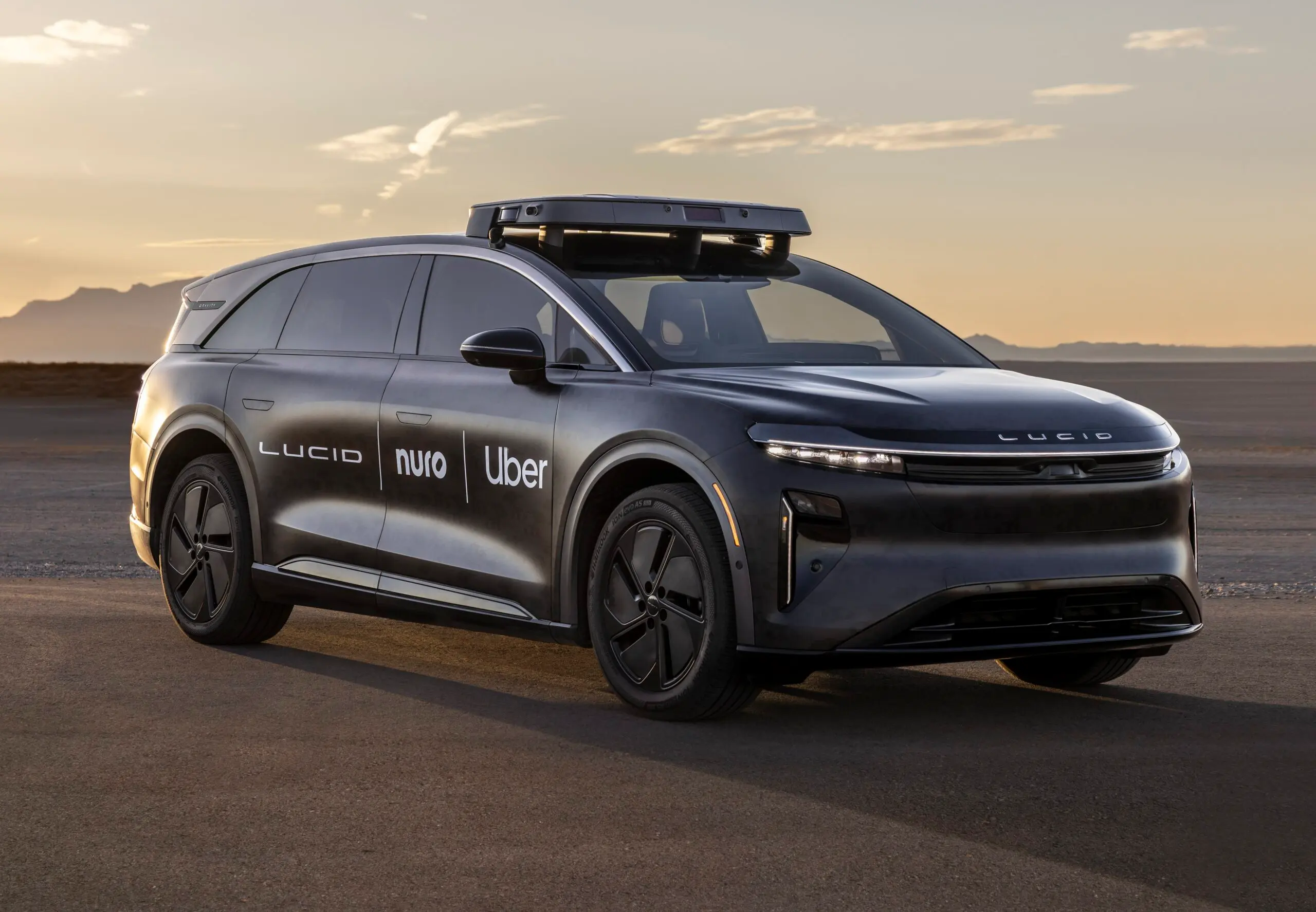
Industry analysts note that scaling robotaxi services could significantly reduce Uber’s reliance on human drivers, lowering costs and boosting profitability. Uber’s robotaxi offerings are live in Austin, Texas, and Atlanta, Georgia. In April, Uber signed a deal with Volkswagen to deploy thousands of autonomous electric vans across the U.S. over the next decade. Additionally, a $300 million partnership with Lucid and Nuro will enable Uber to deploy more than 20,000 autonomous taxis over six years.

Despite regulatory challenges, market skepticism, and high costs that have led some companies to scale back autonomous vehicle projects, Uber, Tesla, and Waymo continue to push robotaxi adoption, with Tesla and Waymo expanding services in key U.S. cities such as Austin, San Francisco, and beyond.

Ken Mahoney, CEO of Mahoney Asset Management, commented on the market potential, noting that many companies see the robotaxi sector as a promising growth area with a large total addressable market.