Yazılar

Uber Bets on Loyalty Program to Drive Growth, Unveils $20 Billion Buyback Plan

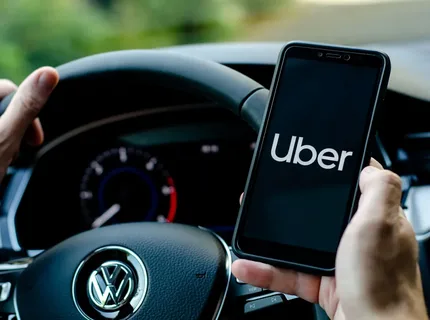
Uber (UBER.N) announced a $20 billion stock buyback program and raised its third-quarter gross bookings forecast above Wall Street expectations on Wednesday, fueled by strong adoption of its paid loyalty program, Uber One.

The $9.99-per-month Uber One membership surged 60% year-on-year in June to over 36 million members, who now account for more than one-third of Uber’s bookings. These loyal users are especially valuable as they engage with both ride-hailing and delivery services, generating over three times the profit compared to single-service users.

To boost Uber One sign-ups, the company hosted a week-long promotional event in May offering discounts across rides, food delivery, and groceries, adding half a million new members during that period. Uber’s stock has soared 48% so far this year, though it dipped about 1% in early trading following the announcement.

Uber expects third-quarter gross bookings—the total dollar value of transactions—to range between $48.25 billion and $49.75 billion, beating analyst estimates of $47.3 billion. This follows an 18.2% year-on-year increase in second-quarter gross bookings, driven by 24.6% growth in delivery and 18.8% in mobility services.

The company also reported a rise in net income to 63 cents per share in Q2 from 47 cents a year earlier, matching expectations. Adjusted core profit for the current quarter is forecast between $2.19 billion and $2.29 billion, above analyst consensus.

Uber is leveraging subscription products like the $2.99 monthly “Price Lock Pass,” which offers fixed pricing on select routes, to encourage habitual weekday commuting, now available in over 10 U.S. and Brazilian cities.

Looking ahead, Uber is expanding in autonomous vehicle technology through over 20 partnerships, including recent deals with EV maker Lucid and startup Nuro, despite not owning its own robotaxi technology.

This latest buyback authorization supplements a previously approved $7 billion program from early 2024.
Uber Integrates Delhi Metro Ticketing into App, Expands Plans for More Cities and B2B Logistics

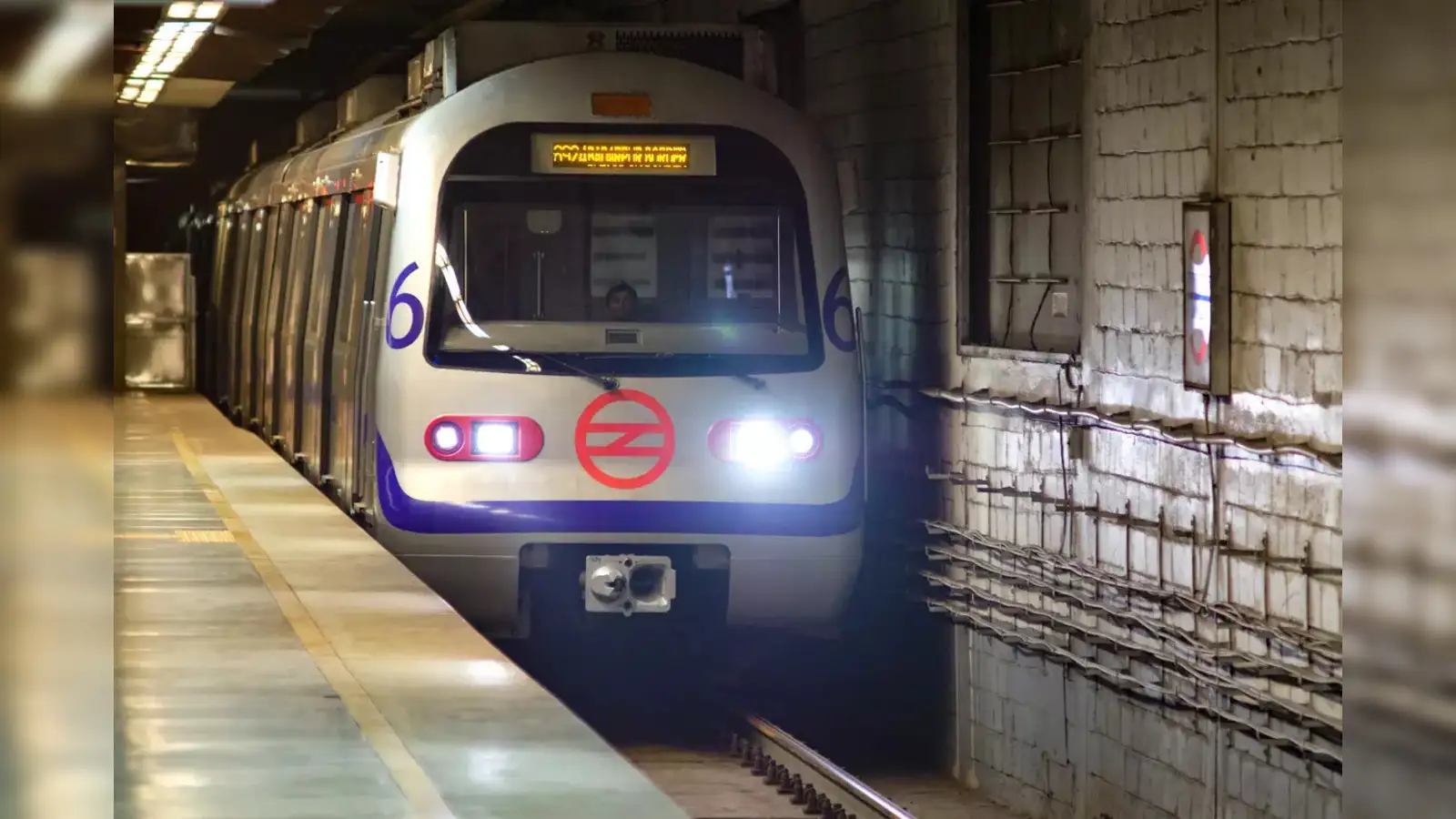
Uber Launches Metro Ticketing on App with Delhi Metro Integration via ONDC

Uber has announced the launch of metro ticketing on its platform, beginning with Delhi Metro, in partnership with the Open Network for Digital Commerce (ONDC). This marks Uber’s first integration with India’s digital public infrastructure, aiming to provide a more connected and seamless experience for urban commuters. Users in Delhi can now plan and pay for metro rides directly through the Uber app, streamlining the multimodal travel experience.

The integration is part of a broader initiative, with Uber confirming that three additional cities across India will be brought onto the platform in 2025. In addition to expanding metro ticketing, the company also revealed plans to launch a B2B logistics solution powered by the ONDC network. This service will enable businesses to book on-demand delivery services from Uber’s logistics network without the need to maintain their own fleets.

This latest move builds on a Memorandum of Understanding (MoU) signed in 2024 during Uber CEO Dara Khosrowshahi’s visit to India. At the time, Uber committed to working closely with ONDC to help scale India’s digital public goods. “Today’s launch is a tangible realization of that commitment,” the company said in a statement, emphasizing its goal of making urban mobility more inclusive, sustainable, and seamlessly integrated.

Commenting on the development, Uber’s Chief Technology Officer, Praveen Neppalli Naga, highlighted the significance of collaborating with ONDC, calling India’s digital public infrastructure a leap forward in population-scale technology. Vibhor Jain, Acting CEO and COO of ONDC, welcomed Uber’s participation, stating that it represents a major step toward expanding trusted and interoperable digital access in India. He added that this collaboration opens new avenues for multimodal transport and a more unified logistics framework across the country.

Ackman’s Pershing Square Bets Big on Amazon, Sells Out of Canadian Pacific

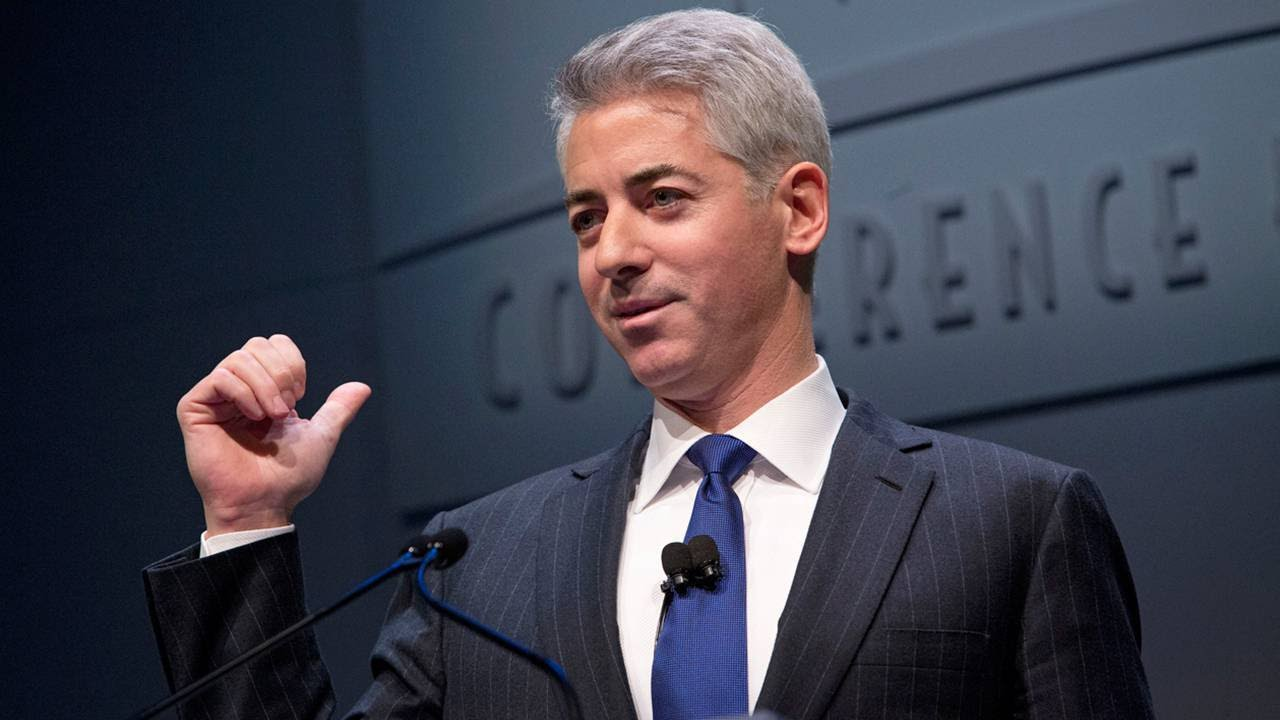
Billionaire investor Bill Ackman has added Amazon to his Pershing Square Capital Management portfolio, marking a major move into the e-commerce and cloud giant. The decision comes as Trump-era tariffs appear less damaging than initially feared and Amazon’s valuation offered an attractive entry point after market turbulence in April.


Key Takeaways:

  • Amazon Stake: Pershing Square initiated a new position in Amazon, with Chief Investment Officer Ryan Israel saying the stock became affordable after a tariff-driven market selloff. The hedge fund believes Amazon’s earnings growth remains robust, and CEO Andrew Jassy’s leadership will help expand margins amid strong revenue growth.

  • Tariff Impact Minimal: Ackman’s team downplayed concerns over Trump’s import tariffs, suggesting Amazon’s retail earnings won’t be materially affected, and the cloud division (AWS) can weather any slowdown.

  • Strategic Portfolio Shift: To fund the Amazon investment, Pershing Square exited Canadian Pacific, one of Ackman’s historically profitable holdings. The move was made “with regret,” as Ackman remains bullish on the rail company’s long-term potential.

  • Other Changes:

    • New Positions: Stakes were also added in Hertz and Uber, broadening exposure to transport and mobility sectors.

    • Trims: Positions in Chipotle, Hilton, and Universal Music Group were reduced.

    • Nike Adjustment: Equity holdings in Nike were converted into deep-in-the-money call options, allowing continued exposure with less capital deployed.


Strategic Outlook:

Ackman’s Amazon bet signals growing confidence in tech and e-commerce resilience, particularly as U.S. trade policy evolves and inflation moderates. Meanwhile, the exit from Canadian Pacific—despite long-term optimism—reflects the need to rebalance capital toward higher-growth opportunities.

The move into Uber and Hertz also aligns with trends in urban mobility and travel rebound, while trimming strong performers like Chipotle and Hilton frees up capital amid rising valuations.