Yazılar

UK Competition Watchdog to Investigate Google Search Services

The UK’s Competition and Markets Authority (CMA) announced on Tuesday that it will use newly acquired regulatory powers to investigate Google’s search services. The investigation will examine how these services affect consumers, businesses, advertisers, and competitors, following growing U.S. calls for regulatory action against the tech giant.

The CMA emphasized that search is crucial for economic growth, with millions of consumers and over 200,000 UK businesses relying on Google’s search and advertising services. Google dominates the search market with 90% of searches in the UK taking place on its platform. The CMA’s role, according to its CEO Sarah Cardell, is to ensure fair competition in the sector, allowing consumers to fully benefit from choice and innovation.

Responding to the investigation, Google’s competition director, Oliver Bethell, pointed out the CMA’s acknowledgment of the sector’s importance for growth. Google plans to engage with the CMA to explain how its services benefit consumers and businesses, while also highlighting potential drawbacks of overly prescriptive regulations. Bethell stressed the importance of a balanced regulatory approach that fosters innovation and consumer choice.

This move comes in the wake of pressure from U.S. prosecutors, who in November argued that Google should be forced to sell its Chrome browser and make search results and data available to competitors. In the U.S., a judge ruled in August that Google had violated antitrust laws, having spent billions to become the default search engine worldwide.

In the UK, Google is already facing scrutiny from the CMA in relation to the cloud computing market, alongside Amazon and Microsoft, as well as its dominance in mobile browsers in collaboration with Apple. The CMA is empowered by new regulations to designate companies with Strategic Market Status (SMS), allowing for in-depth investigations of firms like Google.

The CMA’s investigation will assess whether Google holds SMS in both search and search advertising markets. It will also explore if Google’s market dominance leads to preferential treatment for its own services, as well as the potential barriers to entry and innovation in the sector. Additionally, the watchdog will look into how Google handles consumer data.

The rise of AI-powered search engines, like ChatGPT, poses a long-term challenge to Google’s market dominance. The CMA will also consider whether Google is using its influence to shape the development of new AI services and interfaces to mitigate these emerging competitors. The investigation, which could last up to nine months, may lead to regulatory interventions such as requiring Google to share data with other businesses or allowing publishers more control over how their content is used in Google’s AI services.

 

UK Grants Approval for First Vertical Rocket Launch

Britain has officially approved the first vertical rocket launch, marking a significant milestone for the country’s space industry. Rocket Factory Augsburg (RFA), a German company, has received the necessary license to launch its 30-meter-tall rocket from SaxaVord Spaceport in the Shetland Islands, located in northern Scotland. The launch is expected to take place in the third quarter of 2025, according to sources familiar with the timeline.

The UK has long sought to establish its own launch capabilities, supplementing its rapidly growing space sector, which currently employs over 45,000 people and manufactures more satellites than any country outside the United States. Despite these ambitions, the country’s efforts took a setback two years ago when a horizontal rocket launch from Newquay, southwest England, ended in failure.

A successful vertical launch would be a major step toward revitalizing the UK space industry. The Civil Aviation Authority (CAA) issued the country’s first-ever vertical launch license, allowing RFA’s rocket to carry satellites into orbit. The CAA will continue its safety monitoring process over the coming months to ensure the launch meets all regulatory and safety standards.

“This is a landmark moment for RFA, SaxaVord, and the UK space sector,” said Aviation Minister Mike Kane. “It brings us one step closer to the first commercial vertical space launch in the United Kingdom.”

However, several conditions must be met before the launch proceeds, including securing insurance and ensuring that international agreements with other nations are in place, as per the CAA’s statement.


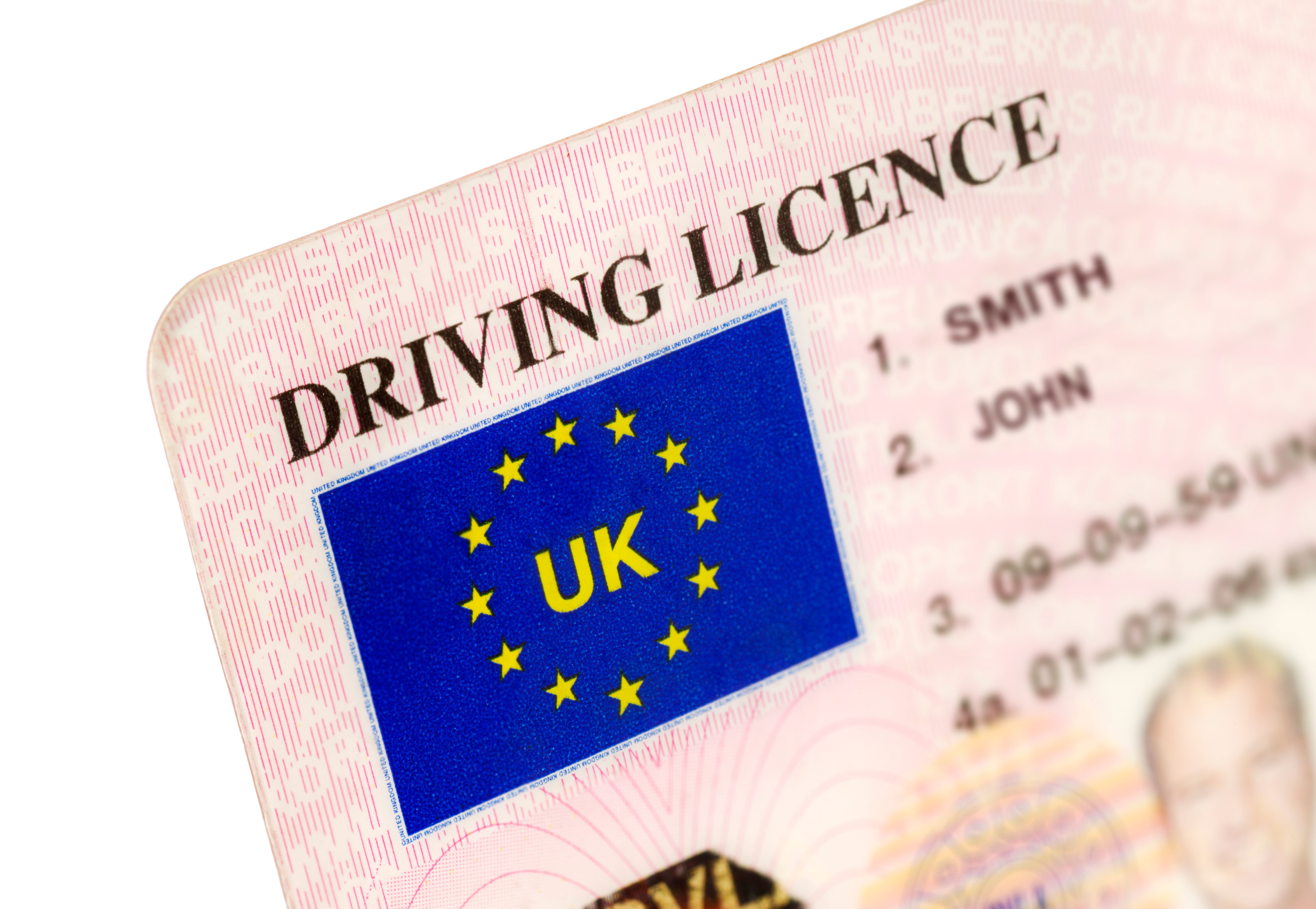
The UK and Digital ID: An Outlier Among Developed Nations as Tony Blair Calls for Reform

The UK remains one of the few developed economies without a national ID card scheme, according to recent research, making it an outlier in a world where most nations have adopted some form of identification system. A study conducted for Sky News’ Sunday Morning with Trevor Phillips reveals that out of 38 countries in the Organisation for Economic Co-operation and Development (OECD), only six—Australia, Canada, Ireland, New Zealand, the United States, and the UK—do not have a national ID system.

The debate over the introduction of a digital ID has been reignited by former Prime Minister Sir Tony Blair. In a recent Daily Mail article, Blair argued that modern technology could help make governing more efficient by addressing issues like lower taxes and improved public services. He called for a “once-in-a-generation disruption,” with digital ID systems as a potential starting point.

During Blair’s tenure, compulsory physical ID cards were a key proposal, but the plan was shelved by the coalition government before it could be implemented. Now, through his Institute for Global Change, Blair has advocated for a digital ID system that could cost £1bn to launch and £100m annually to maintain. However, he suggests the system could save the UK Treasury up to £2bn per year, as well as boost GDP by 3%, according to a 2019 McKinsey analysis.

Despite the potential benefits, digital IDs have faced criticism for posing risks to civil liberties and paving the way for a surveillance state. Countries around the world vary in their approach to ID cards, with most OECD nations making them optional. However, countries like Chile, Luxembourg, and Turkey have made carrying an ID card mandatory. In the last decade, countries such as Norway, Hungary, Denmark, Japan, and Lithuania have introduced mandatory ID cards, signaling a growing trend toward digital identity systems.

The UK government’s stance on digital IDs remains unclear. While Business Secretary Jonathan Reynolds initially suggested that Home Secretary Yvette Cooper would explore advice on the matter, this was quickly reversed. Currently, the UK is considering legislation to allow the creation of digital identities that would be optional and not tied to a mandatory national ID system. These digital records could include details like biometrics and addresses, but would remain voluntary.

Australia has already begun rolling out a similar system, despite concerns over privacy and safeguarding. The discussion around digital IDs continues to evolve, and on Sunday Morning with Trevor Phillips, the topic will be further explored with input from figures such as Border Security Minister Angela Eagle, Shadow Home Secretary Chris Philp, and journalist Anne Applebaum.