Yazılar

UK Sets 2026 Deadline for Crypto Legislation as FCA Details Regulatory Plan

The United Kingdom is ramping up its efforts to establish a robust regulatory framework for cryptocurrency, with a target to finalize crypto legislation by 2026. This initiative builds on the groundwork laid under former Prime Minister Rishi Sunak, who sought to position the UK as a global Web3 hub capable of competing with regions like Dubai and Hong Kong. By setting a clear timeline and outlining specific regulatory goals, the UK aims to balance innovation with consumer protection and market integrity.

The Financial Conduct Authority (FCA), the UK’s financial regulatory body, has outlined its approach to regulating the burgeoning crypto sector. According to a Bloomberg report, the proposed framework will prioritize creating a fair and transparent marketplace for digital assets. The regulations are designed to curb market manipulation and exploitation, ensuring that crypto exchanges, digital asset lending providers, and stablecoin issuers operate within clear guidelines. This move signals the UK’s commitment to fostering trust and stability in its crypto market.

Matthew Long, the Director of Payments and Digital Assets at the FCA, further elaborated on this plan in a post published on the authority’s official website. He emphasized that the roadmap is not just about imposing rules but about shaping a framework that encourages innovation while safeguarding participants. The proposed measures will require crypto firms to adhere to stricter operational standards, including compliance with anti-money laundering (AML) laws and enhanced customer data protection.

The UK’s proactive stance on crypto regulation is a significant step toward establishing itself as a leader in the global digital asset ecosystem. By providing clarity and security for both investors and businesses, the country seeks to attract more players to its crypto market. As the 2026 deadline approaches, the FCA’s actions will likely serve as a blueprint for other nations grappling with the challenge of regulating this rapidly evolving sector. The new rules could not only strengthen the UK’s position in the Web3 era but also set a precedent for global regulatory standards in cryptocurrency.

US Orders Nationwide Milk Testing to Combat Bird Flu in Cows

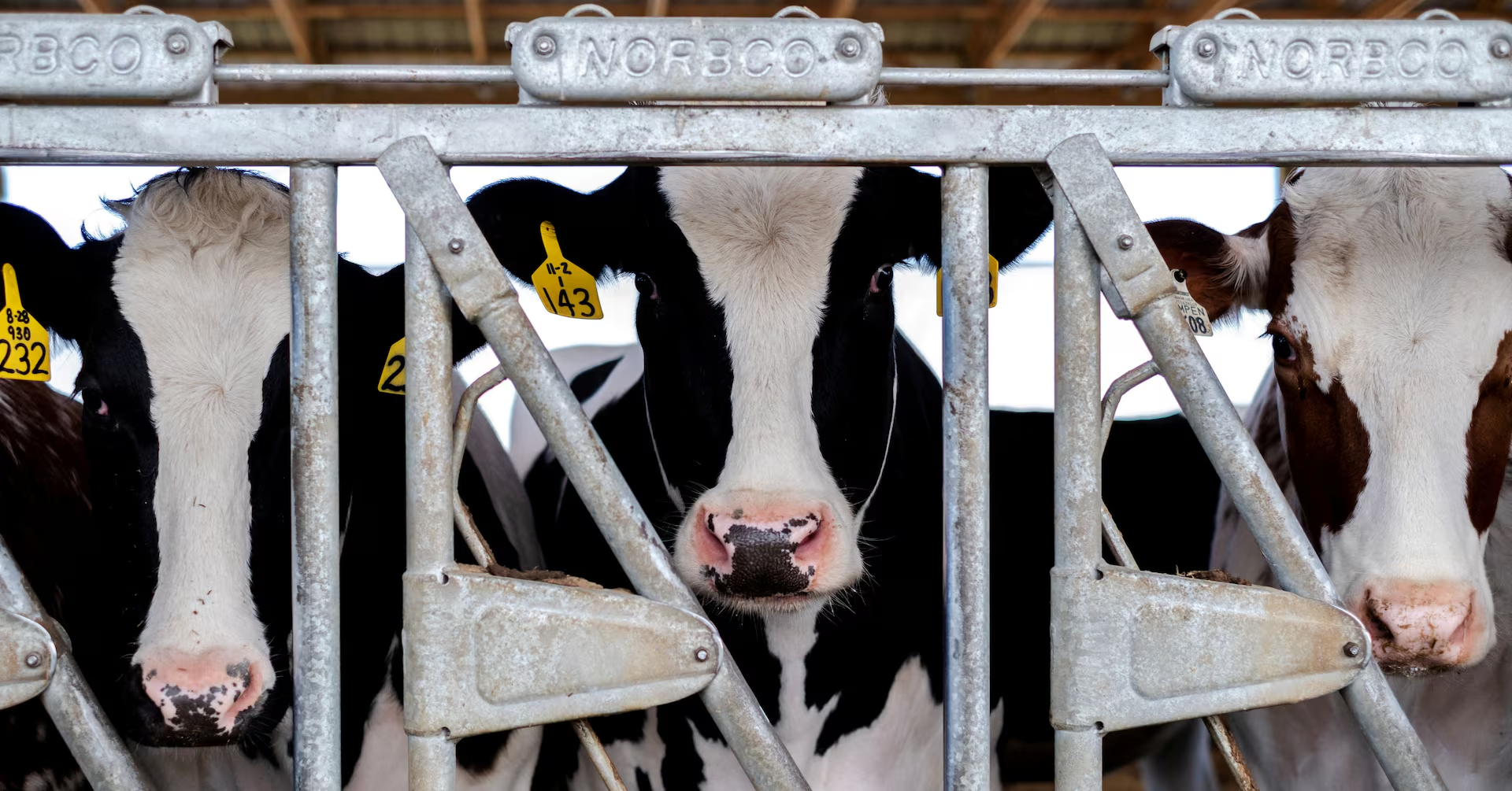
In response to the spread of bird flu among U.S. dairy cows, the government has mandated nationwide testing of raw or unpasteurized milk starting on December 16. This move comes after more than 700 herds in 15 states were affected by the H5N1 strain of the virus, first detected in cows in March. The government hopes that the testing will help contain the virus and prevent further outbreaks on farms.

Agriculture Secretary Tom Vilsack explained that the testing would provide farms with “better confidence” in controlling the virus and stopping its spread across the country. While H5N1 has been detected in birds in the UK as well, the strain in the U.S. primarily affects farm animals, with at least 58 human cases of mild illness reported. Despite this, the risk to human health remains low.

Pasteurization or heat treatment can eliminate the virus in milk, making it safe for consumption. However, officials continue to warn against drinking raw milk. The new testing order applies to raw milk intended for pasteurization, and dairy handlers must provide samples for testing upon request. Herd owners are also required to report positive test results to the U.S. Department of Agriculture (USDA) and provide relevant information to track the virus.

Dairy farmers and processors had been hesitant to test milk and animals, fearing potential economic consequences. However, there has been growing support from veterinarians, farmers, and scientists for such testing. Keith Poulsen, director of the Wisconsin Veterinary Diagnostic Laboratory, hailed the move as a step in the right direction, emphasizing the need for better monitoring of the situation.

In the UK, health authorities are preparing for potential human outbreaks of H5N1 by securing over five million doses of a bird flu vaccine. This vaccine would be used only if the virus were to spread among humans, similar to the cases in the U.S.

UK to Test Blockchain-Backed Digital Gilt Instrument: Key Insights Revealed

The UK government is taking significant steps to explore the potential of blockchain technology in transforming its financial landscape. In an exciting development, Finance Minister Rachel Reeves has announced plans to launch a pilot program for a digital gilt instrument, utilizing Distributed Ledger Technology (DLT), commonly known as blockchain. Gilt instruments, which are government bonds widely used in the UK and other Commonwealth nations, are typically considered low-risk, stable investment options. The move to digitize these instruments signals the UK’s commitment to staying at the forefront of financial innovation.

The announcement came during Reeves’ first Mansion House speech, where she revealed that the Treasury is working on a “Financial Services Growth and Competitiveness Strategy.” The goal of this strategy is to position the UK as a leader in the global fintech market by showcasing how emerging technologies such as blockchain can enhance financial services. The government is particularly focused on demonstrating the efficiency, transparency, and security that blockchain can bring to traditional financial instruments like gilts.

In response to growing demand for innovative financial products, UK Finance has indicated that financial institutions are eager to see a sterling-denominated digital gilt. This type of digital bond would not only modernize the UK’s government debt market but also broaden investor participation by making these instruments more accessible and tradeable through blockchain technology. The digital format could potentially attract a new wave of both institutional and retail investors, further integrating blockchain into mainstream financial markets.

By piloting this initiative, the UK government aims to explore the practical applications of blockchain in public finance, creating a model for other nations to follow. The successful implementation of a digital gilt could pave the way for more blockchain-based financial products in the future, potentially reshaping the way governments issue debt and manage financial transactions. This forward-thinking approach underscores the UK’s ambition to maintain its leadership in the evolving global financial ecosystem.