
Yazılar

Unilever Sells Its Russian Business to Arnest Group

Unilever, the multinational consumer goods company known for brands like Dove and Hellmann’s, announced on Thursday that it has completed the sale of its Russian operations to Arnest Group, a local manufacturer of cosmetics, perfumes, and household products. The deal includes Unilever’s entire business in Russia, four production facilities, and its business interests in Belarus. The financial terms of the sale remain undisclosed.

The decision to sell follows significant criticism of Unilever’s continued presence in Russia after the country’s invasion of Ukraine in February 2022. Although Unilever had ceased imports and exports to Russia shortly after the invasion, its full withdrawal from the market was a complex process. This sale marks the culmination of over a year of preparation, involving the separation of supply chains, IT systems, and adapting brand names to the Cyrillic alphabet.

Unilever’s CEO, Hein Schumacher, in his first year leading the company, has made several major changes aimed at restructuring the business and boosting performance. In addition to the sale of the Russian operations, Schumacher is overseeing plans to spin off the company’s ice cream division, lay off up to 7,500 employees, and focus the company’s efforts on 30 key brands.

B4Ukraine, a coalition of civil society groups pushing for Western companies to cut ties with Russia, applauded Unilever’s decision, urging other global corporations to follow suit. The Russian government has required foreign companies from “unfriendly” nations—those that have imposed sanctions on Russia—to sell their assets at a discount of at least 50%.

Unilever joins other major corporations, like Danone, which earlier this year also divested from its Russian assets, taking a $1.3 billion financial loss. A Reuters analysis in March estimated that foreign companies have lost over $107 billion in writedowns and lost revenue due to their exits from the Russian market.
 

Exclusive: Iran Delivered Missiles to Russia Without Launchers, Sources Say

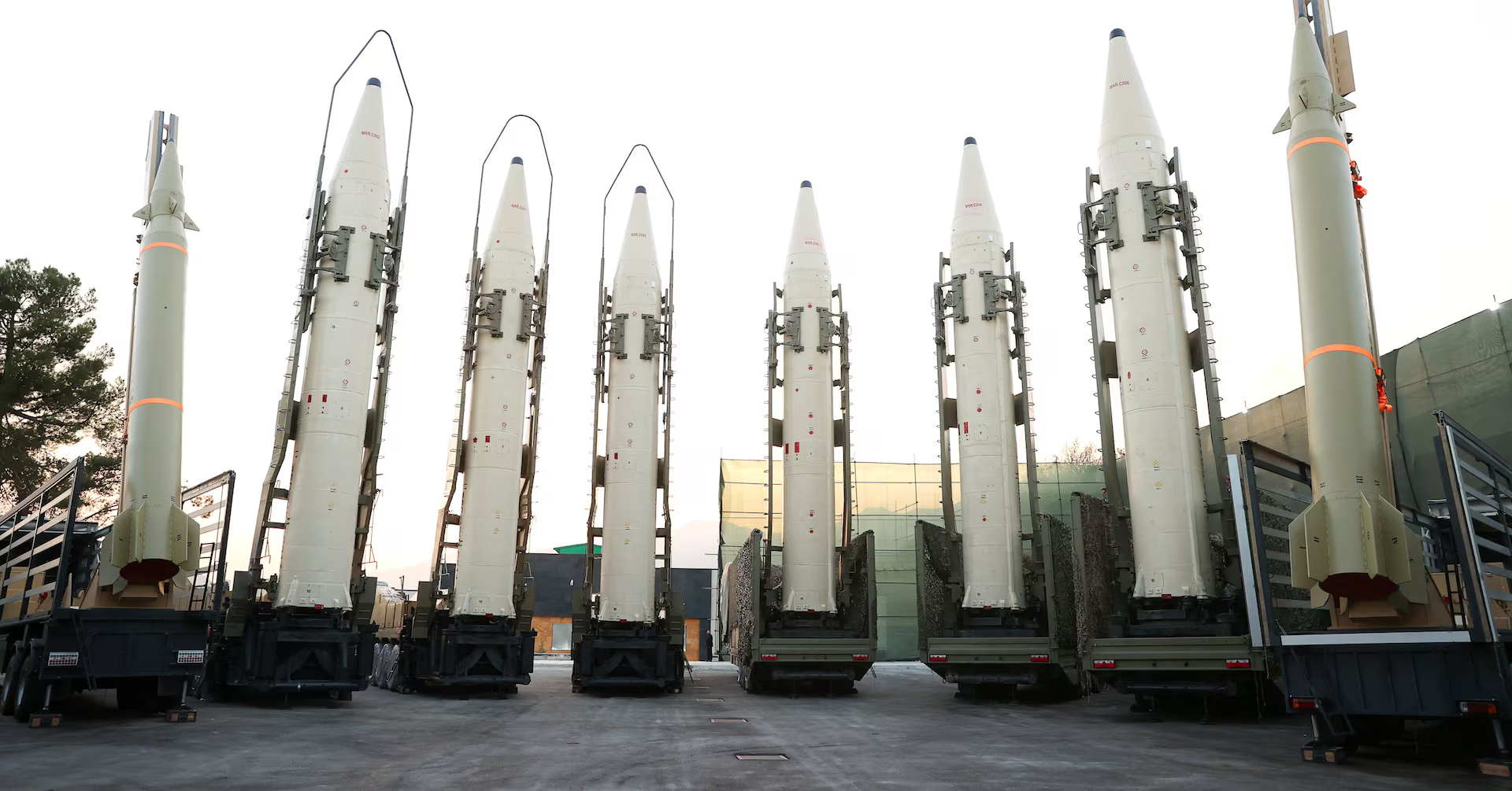
Iran has supplied close-range ballistic missiles to Russia, according to sources, but notably withheld mobile launchers, creating uncertainty about when these missiles will be operational. This development follows last week’s U.S. accusation that Tehran provided Moscow with Fath-360 missiles for use in the war against Ukraine.

Three officials—a European diplomat, a European intelligence official, and a U.S. official—confirmed Iran’s delivery of the missiles but emphasized that no launchers accompanied them. The reasons for this are unclear, but experts have suggested multiple possibilities. Some believe Russia may modify civilian trucks to launch the missiles, similar to what Iran has done. Others speculate Iran’s decision could be a diplomatic maneuver, leaving room for potential negotiations with Western powers to ease tensions.

Iran denies providing missiles or drones to Russia, despite accusations from Ukraine and the West that these weapons are being used to target military and civilian infrastructure. U.S. Secretary of State Antony Blinken stated that the Fath-360 missiles were delivered and would likely be used in Ukraine soon. The missile, which can travel at speeds four times the speed of sound and has a range of up to 75 miles, poses a significant threat to Ukraine, particularly as it continues to adapt its air defenses to Russian innovations.

The absence of launchers complicates matters for Russia, as ballistic missiles require specially designed launchers to be fired. Some analysts suggest that Russia could modify its military-grade vehicles to serve this purpose. Iran has previously used modified civilian trucks, but these may not be suitable for Ukraine’s harsh winter conditions.

The delivery of these missiles comes amid increasing sanctions on Iran by the United States and its European allies. New sanctions target Iran’s aviation sector, among other areas, and further measures are being considered by the European Union.

Meanwhile, Iran’s new president, Masoud Pezeshkian, is expected to engage in diplomatic talks with European officials during the U.N. General Assembly, where issues related to Iran’s missile deliveries, nuclear program, and regional tensions are likely to be discussed. Analysts speculate that Iran’s withholding of the missile launchers could be a tactical move ahead of these talks to avoid further condemnation.

Despite the potential for diplomacy, experts are skeptical about any significant breakthroughs, given Iran’s history of maintaining its stance on key issues.

Ammunition from India Enters Ukraine, Sparking Russian Protest

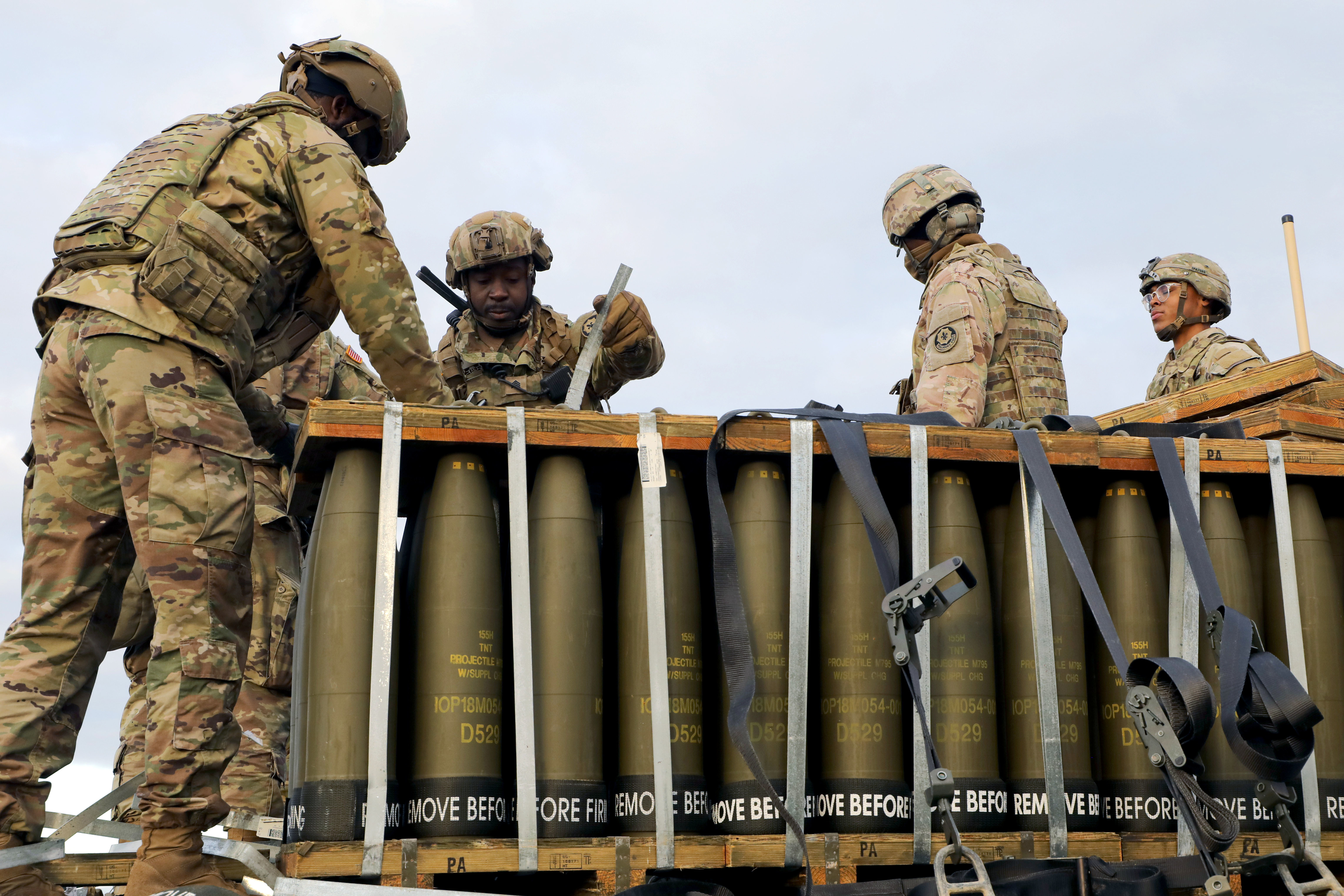
Indian-made artillery shells have been making their way to Ukraine via European customers, causing tensions between India and Russia. Despite Moscow’s objections, New Delhi has not taken any steps to halt the arms trade, according to multiple government and defense sources as well as customs data reviewed by Reuters. This ammunition transfer has been ongoing for more than a year, as Indian arms makers sell to European nations, some of which have redirected the munitions to Ukraine to bolster its defense against Russia’s ongoing invasion.

Indian arms export rules stipulate that weaponry can only be used by the declared purchaser, and unauthorized transfers could lead to future sales being cut off. Despite this, no action has been taken by India, even after Russia raised the issue in meetings with Indian officials, including one between Russian Foreign Minister Sergei Lavrov and his Indian counterpart in July.

Neither Russia nor India’s foreign and defense ministries responded to requests for comment, but an Indian foreign ministry spokesperson stated in January that India had not sold artillery shells to Ukraine. However, sources confirmed that while the volume of Indian ammunition used by Ukraine is small—estimated at under 1% of the total Kyiv has imported—it has contributed to Ukraine’s war effort.

European countries like Italy and the Czech Republic have been instrumental in supplying Indian-made ammunition to Ukraine. These countries have reportedly been purchasing munitions from Indian companies like Yantra India and Munitions India, filling the shells with explosives, and transferring them to Ukraine.

India’s longstanding relationship with Russia, which has supplied more than 60% of its arms imports, remains intact despite this development. Yet, India is also working to expand its arms export market, viewing the extended conflict in Europe as an opportunity to grow its defense sector. In the past fiscal year, Indian defense exports reached $2.5 billion, and the government aims to increase that to $6 billion by 2029.

Commercially available customs records show a surge in Indian munitions exports to Europe since the start of the war, with Yantra India shipping $35 million worth of artillery shells to Italy alone between February 2022 and July 2024. These arms transfers, while small, demonstrate India’s ability to navigate both its Western partnerships and its historical ties to Russia, highlighting a delicate geopolitical balancing act.