Yazılar

CIA Director Warns of Genuine Risk of Russia Using Tactical Nuclear Weapons Early in Ukraine Conflict

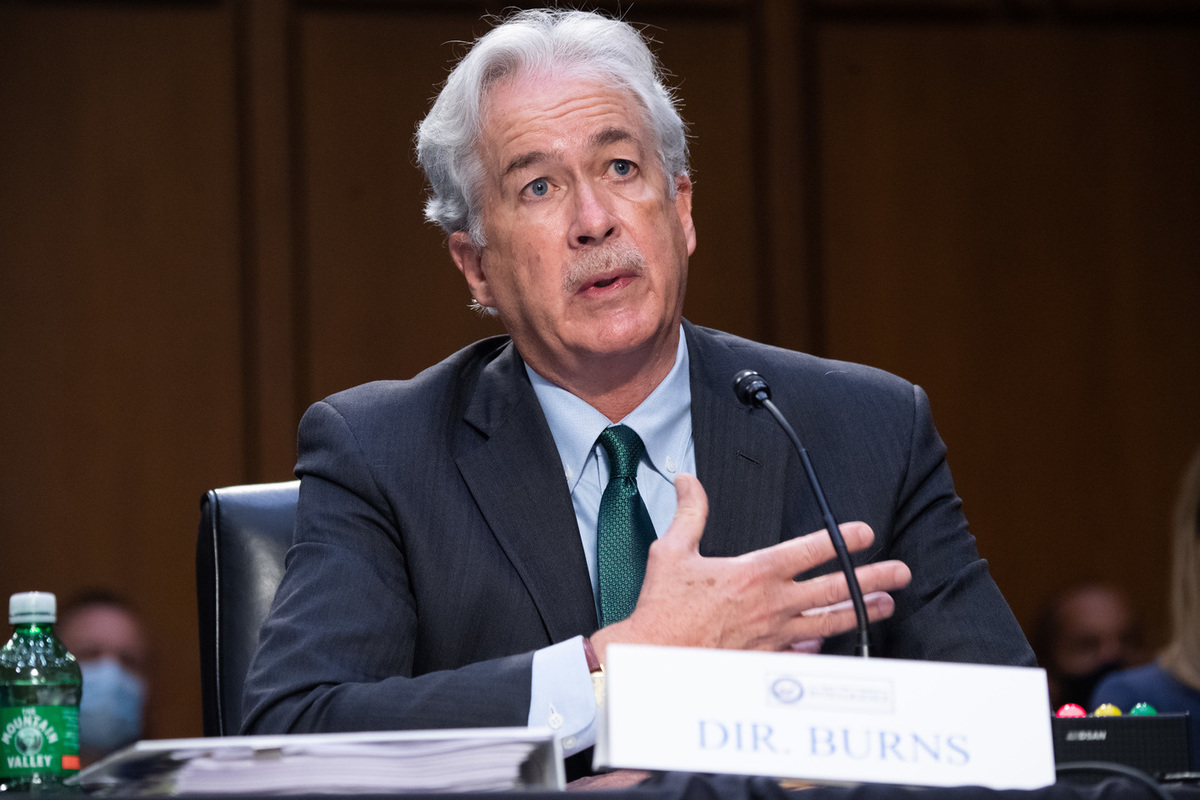
CIA Director William Burns revealed that in the fall of 2022, there was a “genuine risk” of Russia deploying tactical nuclear weapons on the battlefield in Ukraine. Speaking at the Financial Times Weekend Festival alongside the U.K.’s secret intelligence chief Richard Moore, Burns emphasized that the West should not be intimidated by Russian President Vladimir Putin’s nuclear threats, despite the heightened risk at the time. Burns noted that his agency did not believe in succumbing to such threats, describing Putin as a “bully” prone to saber-rattling. Burns also recounted his meeting with Russian intelligence chief Sergey Naryshkin in late 2022, where he stressed the severe consequences of nuclear escalation. The CIA director pointed to Ukraine’s recent offensive in Russia’s Kursk region as a morale boost for Ukrainian forces and a cause of concern for the Kremlin, exposing vulnerabilities in Putin’s regime and military. Amid this tension, Russia’s nuclear doctrine, which is defensive and focused on deterrence, may be subject to amendments following Ukraine’s advancements, according to Russian Deputy Foreign Minister Sergei Ryabkov.


U.S. Cautions Long-Range Strikes Won’t Be Decisive in Ukraine War, Zelenskiy Pushes for Expanded Capabilities

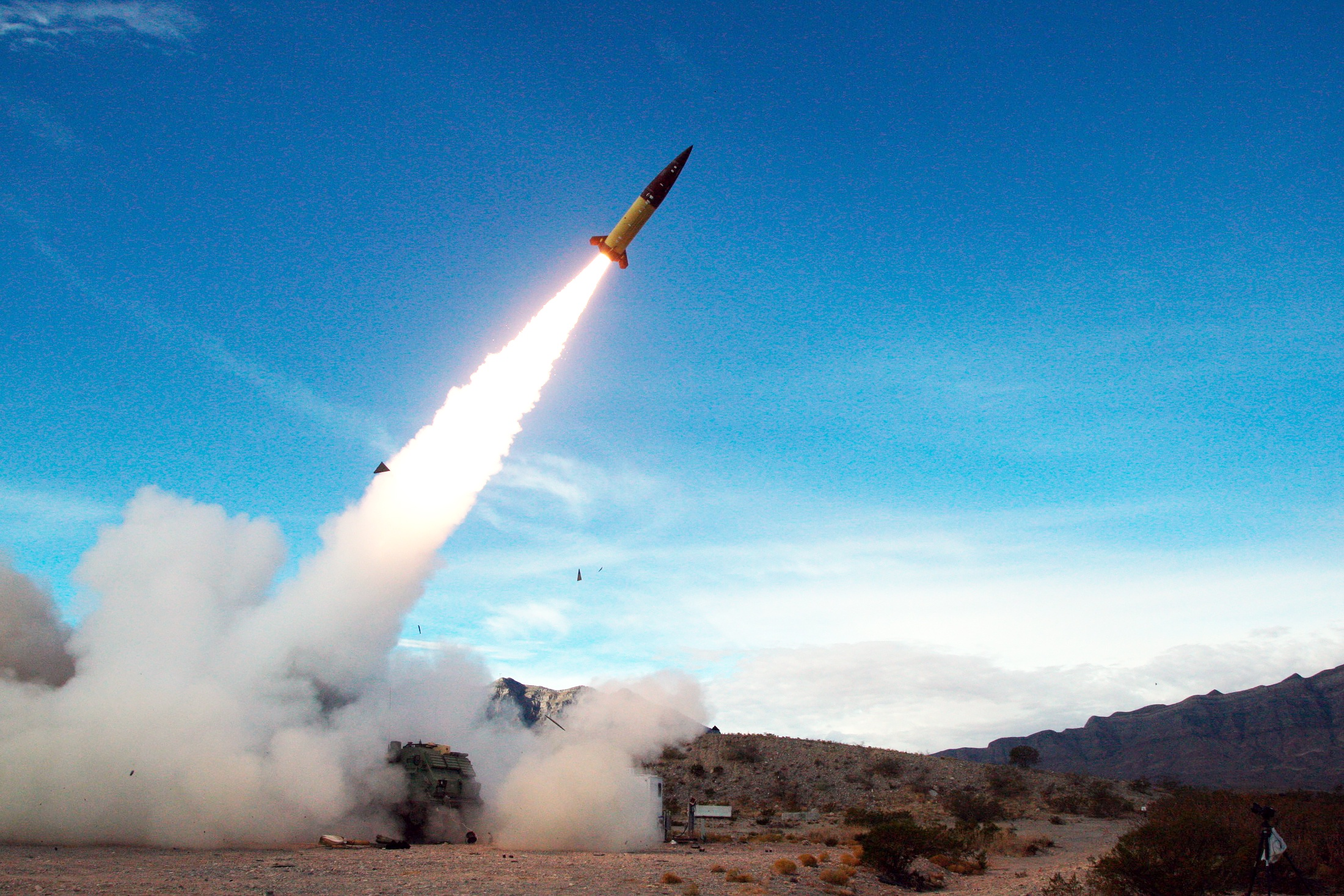
Ukraine’s long-range strikes into Russia, U.S. Defense Secretary Lloyd Austin emphasized on Friday, will not be the decisive factor in turning the tide of the ongoing conflict in Ukraine, even as President Volodymyr Zelenskiy continues to urge Western nations to supply long-range missiles. Speaking at a meeting of Ukraine’s allies at Ramstein Air Base in Germany, Austin reiterated Washington’s commitment to supporting Kyiv, announcing an additional $250 million in U.S. security assistance. However, he pushed back against the idea that deep strikes within Russia using Western weapons would shift the balance of the war. Zelenskiy has long called for the lifting of restrictions that prevent Ukraine from striking targets deep inside Russia, arguing that such capabilities would pressure Moscow to seek peace. During the meeting, he received support from several Baltic nations, including Lithuania and Estonia, who echoed his call for more advanced weaponry.

Austin, however, maintained that no single capability would be decisive, explaining that Russia had already moved key aircraft beyond the range of U.S.-supplied missiles. He also pointed out that Ukraine possesses its own drone capabilities, which can reach targets within Russia. “There are many targets in Russia,” Austin said, referring to Ukraine’s use of unmanned aerial vehicles (UAVs) and other tactics to strike critical points. Meanwhile, Germany pledged an additional 12 self-propelled howitzers to Ukraine, and Canada announced it would send 80,840 surplus small air-to-surface rockets and 1,300 warheads in the months ahead.

Zelenskiy’s appearance at the Ramstein meeting comes at a critical juncture in the war, as Ukrainian forces conduct a surprise offensive in Russia’s Kursk region, while Russian troops intensify their focus on capturing Pokrovsk in eastern Ukraine, a key logistics hub. Zelenskiy insists that long-range strikes on Russian territory are essential not only for liberating occupied regions but also for compelling Russia to negotiate peace. Despite Western reluctance to allow strikes deep inside Russia, Zelenskiy has consistently challenged the notion of ‘red lines’ drawn by Russia, asserting that such boundaries do not hold in the face of ongoing aggression.

The Ramstein meeting also comes at a politically sensitive time for the United States, with the upcoming presidential election potentially affecting U.S. support for Ukraine. While Vice President Kamala Harris has pledged continued support, former President Donald Trump has expressed skepticism over the aid being funneled to Ukraine and has suggested that peace talks could involve territorial concessions by Kyiv. At the meeting, Austin cited the heavy toll the war has taken on Russia’s military, estimating that over 350,000 Russian troops have been killed or wounded and detailing the destruction of 32 Russian Navy vessels. Nonetheless, Moscow continues to unleash missile and drone attacks on Ukrainian cities, highlighting the need for additional air defense systems, a point Zelenskiy underscored during the talks.

Russia Signals Potential Shift in Nuclear Doctrine Amid Escalating Tensions with Ukraine

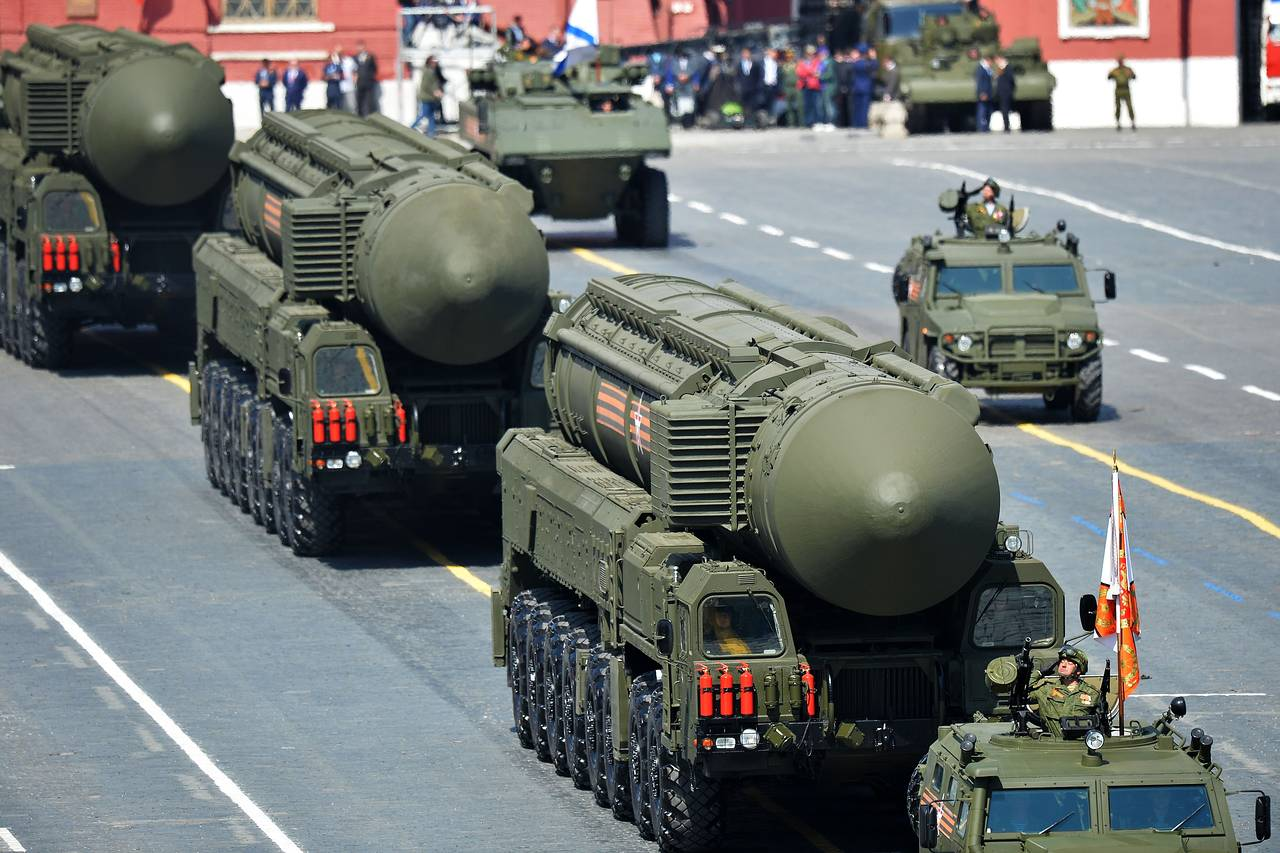
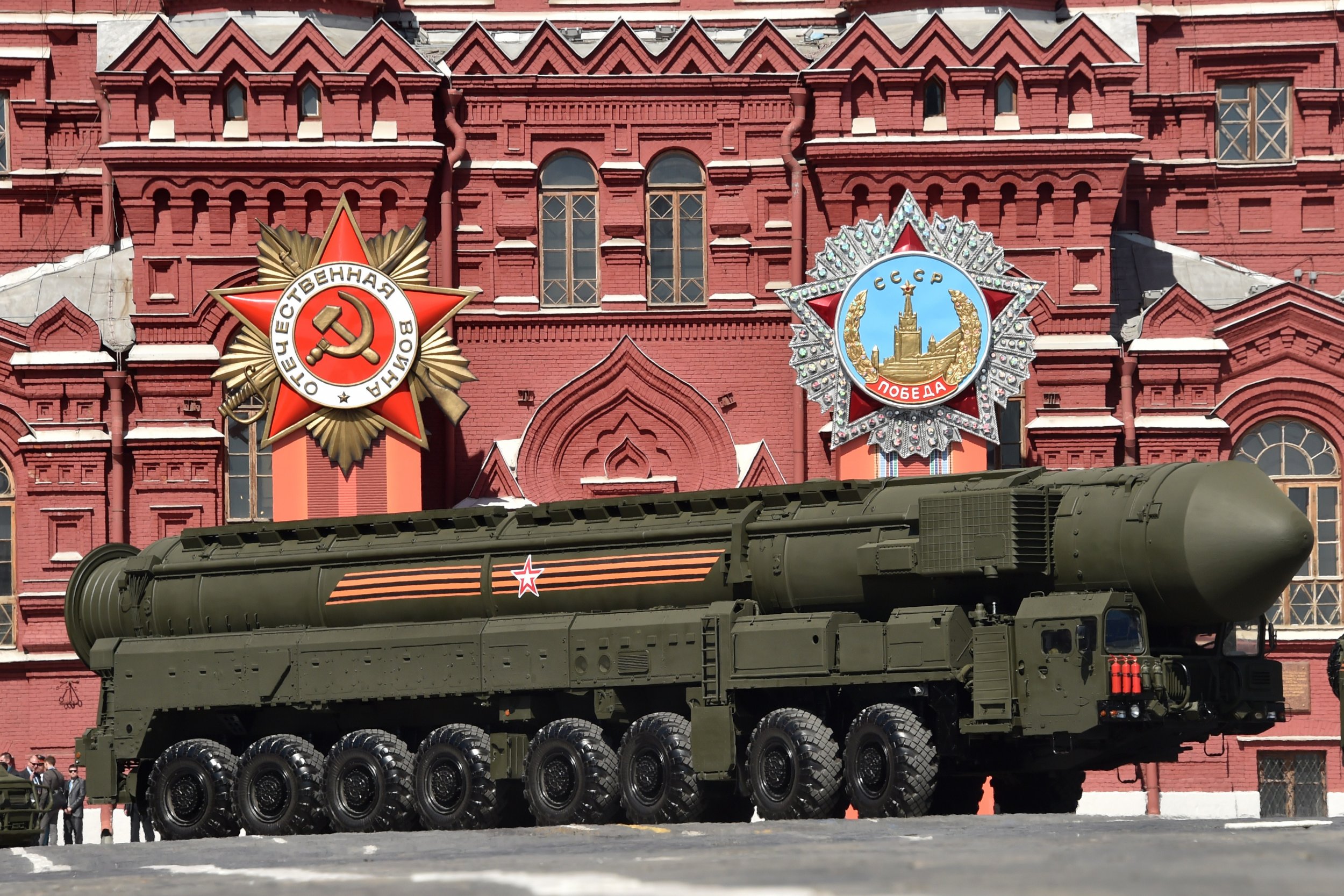
Russia has suggested that it may revise its official stance on the use of nuclear weapons, as tensions continue to escalate with Ukraine following cross-border incursions into Russia’s Kursk region. Deputy Foreign Minister Sergei Ryabkov announced that amendments to Russia’s nuclear doctrine are in progress, motivated by what Moscow perceives as a Western-backed escalation of the conflict with Ukraine.

Ukraine’s recent offensive, which has seized nearly 500 square miles of Russian territory since August, has prompted Russia to reconsider its nuclear policy. Ryabkov pointed to the ongoing military support provided to Ukraine by NATO allies, especially the supply of long-range missiles, as a driving factor behind the revision. Although Western nations have denied involvement in Ukraine’s cross-border operations, Russia accuses them of encouraging the offensive.

Russia’s current nuclear doctrine reserves the right to use nuclear weapons in response to nuclear or other mass destruction weapons used against it or its allies, as well as in the event of conventional aggression threatening the existence of the state. While the doctrine emphasizes nuclear weapons as a deterrent, Russian officials, including President Vladimir Putin, have signaled that the conditions for nuclear deployment could be revised. Putin has referred to the nuclear doctrine as a “living instrument” that could be adjusted based on changing global dynamics.

Picture background

The possibility of deploying nuclear weapons has been a recurring theme since Russia’s invasion of Ukraine in February 2022. Although tactical nuclear weapons, which are designed for battlefield use, have been stationed near Ukraine and in Belarus, Russia has so far refrained from employing them. However, recent Ukrainian incursions into Russian territory have exposed vulnerabilities in Russia’s national defenses, raising concerns about a potential nuclear response.

Despite saber-rattling from Russian officials, analysts believe that the likelihood of Russia deploying nuclear weapons remains low. Experts from the Institute for the Study of War downplayed Ryabkov’s comments, suggesting that the rhetoric is intended to dissuade Western countries from supporting Ukraine further. The potential changes to Russia’s nuclear doctrine are likely aimed at maintaining strategic ambiguity, rather than signaling an imminent shift in nuclear policy.

Russia’s framing of the conflict as an existential battle with the West has kept nuclear tensions simmering, but Ukrainian officials hope that their recent operations will dispel fears of nuclear retaliation and encourage more robust support from NATO, including the approval of longer-range missiles. As both sides continue to escalate, the global community watches closely, concerned that any misstep could trigger a nuclear confrontation with far-reaching consequences.