Yazılar

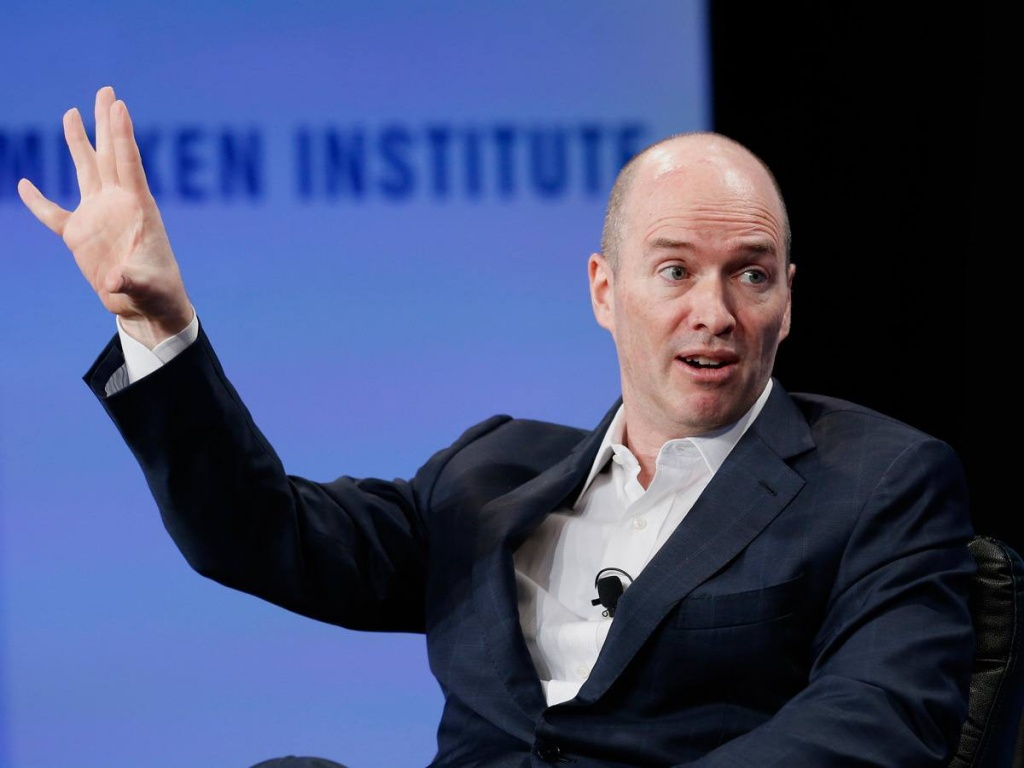
Venture Capitalist Ben Horowitz Pledges Donation to Vice President Kamala Harris’ Campaign

Venture capitalist Ben Horowitz, co-founder of Andreessen Horowitz, revealed plans to donate to Vice President Kamala Harris’ election campaign, despite previously pledging support to Donald Trump’s political action committees. In a letter to employees, Horowitz explained that his donation was driven by a longstanding personal friendship with Harris and her support over the past decade.

Horowitz and his wife, Felicia, have known Harris for over 10 years, and their close relationship motivated them to contribute financially to entities supporting the Harris-Walz campaign, as confirmed by CNBC. This move marks a notable shift after the firm’s earlier financial backing of Trump’s 2024 bid, which was attributed to their focus on defending policies favoring “Little Tech”—a term they use to describe smaller tech companies and startups.

Horowitz’s Letter and Motivation

In his letter, Horowitz updated his employees on his recent political activities. He wrote:
“As I mentioned before, Felicia and I have known Vice President Harris for over 10 years, and she has been a great friend to both of us during that time. As a result of our friendship, Felicia and I will be making a significant donation to entities that support the Harris-Walz campaign.”

While Horowitz expressed confidence in Harris based on their personal conversations, he noted that her team has not yet made clear their official tech policy, meaning Andreessen Horowitz, as a firm, has not altered its broader political stance. The firm has been highly critical of the Biden administration‘s policies regarding startups and cryptocurrency, positioning their political donations primarily in defense of these sectors.

Support for Trump and “Little Tech”

Horowitz’s decision to support both Harris and Trump highlights a complex political balancing act within Silicon Valley’s venture capital community. In July, Horowitz and Marc Andreessen voiced concerns about Big Tech regulation and policies they believed could stifle smaller tech companies and innovation. Their decision to donate to Trump’s campaign was framed around defending these principles.

Andreessen Horowitz has been outspoken in protecting the interests of smaller tech firms, especially in response to the current administration’s regulatory stance on startups and cryptocurrency. They outlined their position in a blog post in July, stating, “Our political efforts as a firm are entirely focused on defending Little Tech. We do not engage in political fights outside of issues directly relevant to Little Tech.”

A Split Political Strategy

Horowitz’s decision to financially back candidates from both major political parties suggests a strategic approach to ensure influence over policies critical to Silicon Valley’s interests. While he acknowledges Harris’ contributions as a personal friend, the firm’s leadership remains focused on advocating for pro-tech policies that benefit their investments in emerging technologies and startups.

This dual-track strategy illustrates the tensions many tech leaders face in navigating the political landscape while protecting the innovation ecosystem they rely on.


 

AI Craze Distorting VC Market as Tech Giants Invest Billions

The venture capital market is grappling with distortion as tech giants like Microsoft, Amazon, Alphabet, and Nvidia pour billions into artificial intelligence (AI) startups, reshaping traditional investment dynamics. Unlike previous tech booms, where VCs were central players, the current AI frenzy is driven by these major tech companies investing heavily in capital-intensive firms such as OpenAI, Anthropic, Scale AI, and CoreWeave.

This shift in funding dynamics means that the usual pressures for startups to go public are less pronounced. Many of these AI firms are not yet profitable, which typically deters public market investors. Instead, tech giants are providing significant incentives, including cloud credits and business partnerships, further skewing the market.

Melissa Incera of S&P Global Market Intelligence notes that AI startups are attracting substantial investment interest despite having more funds than they can use. Venture capital exits are scarce, with U.S. VC exit values on track for $98 billion this year—an 86% drop from 2021. The number of venture-backed IPOs is expected to hit its lowest since 2016, underscoring the challenging exit environment for VCs.

In 2024, investors have already injected $26.8 billion into 498 generative AI deals, following a trend from 2023 when generative AI companies raised $25.9 billion, marking a more than 200% increase from 2022. This surge reflects a dramatic shift, with AI accounting for 27% of total fundraising this year, up from 12% in 2023. AI funding rounds have also grown 140% larger on average compared to the previous year.

Despite this influx of capital, venture capitalists are facing difficulties due to the current market conditions. The Federal Reserve’s interest rate hikes have pushed investors toward safer, yield-generating assets, making it hard for VCs to attract new funds without delivering returns. Traditional VCs are mostly investing in application-level AI startups rather than the high-capital infrastructure firms.

Notable AI companies like Cerebras, a semiconductor firm, are approaching an IPO, but most high-profile AI startups remain private. These companies, such as Anthropic and Cohere, have secured significant funding at inflated valuations, leaving VCs struggling to promise exits under current conditions.

The secondary market offers some liquidity through share sales, but IPOs remain the primary route for VCs to realize returns. As AI firms continue to grow privately, there is less incentive for them to go public, given the favorable terms they receive from large tech investors.

While the enterprise potential of generative AI remains high, with expectations of eventual significant returns, the current market conditions make it challenging for VCs to secure exits and attract new investments.

Silicon Valley’s Wish-List for Kamala Harris: Abortion Rights, Tech-Savvy Policies, and AI Leadership

Silicon Valley venture capitalists have outlined their policy priorities as they rally behind Kamala Harris in her presidential bid. A survey of 225 venture capitalists, who signed a letter of support for Harris, revealed a shared focus on key issues like abortion rights, climate change, and tech-friendly regulations. Nearly all participants opposed the Supreme Court’s decision to overturn Roe v. Wade, viewing the ruling not just as a social issue but as a business concern affecting women’s workplace equity.

Harris, with deep ties to California and the tech sector, is seen as a pro-technology candidate, fostering optimism among industry leaders who are eager to see the U.S. adopt more progressive AI regulations. Participants in the survey overwhelmingly supported the need for leaders well-versed in emerging technologies like AI and cryptocurrency, with nearly 97% emphasizing the importance of having knowledgeable regulators. Additionally, a substantial 94% advocated for expanding H-1B visas to attract more high-skilled international talent to the tech industry.

The venture capitalists’ support for Harris reflects nostalgia for the Obama administration, which fostered a positive relationship with Silicon Valley. In contrast, the Biden administration has taken a tougher stance, exemplified by the Federal Trade Commission’s efforts to curb alleged monopolistic practices by companies like Amazon and Microsoft. Some venture capitalists hope that Harris, if elected, will take a more pro-business approach, potentially replacing FTC Chair Lina Khan.

Picture background

Notably, Harris’ stance on artificial intelligence has attracted significant attention. Her campaign has positioned the U.S. as a leader in AI innovation, and Harris has secured voluntary commitments from tech companies regarding AI development. The tech industry is eager for the U.S. to adopt comprehensive AI legislation, similar to Europe, while avoiding overly prescriptive regulations that could stifle innovation.

Harris has also received substantial financial backing from the tech community. A recent fundraiser in San Francisco raised over $12 million for her campaign. Prominent figures like LinkedIn co-founder Reid Hoffman and Kieran Snyder, who helped lead the “VCs for Kamala” initiative, have actively supported her bid, signaling confidence in her ability to drive pro-innovation policies.

However, Harris is not the only candidate with tech industry support. Former President Donald Trump has garnered backing from figures like Tesla CEO Elon Musk and venture capitalists Marc Andreessen and Ben Horowitz. Trump’s running mate, venture capitalist J.D. Vance, has built a network of tech donors aiming to push the U.S. to the right, promoting free speech and rolling back Biden’s AI executive order.

As the race continues, Silicon Valley remains divided, but Harris’ tech-focused policies and her history of engagement with the industry have positioned her as a favored candidate among many venture capitalists who are eager to see a more business-friendly administration.