Yazılar

Abu Dhabi Aims to Become a Climate Tech Hub

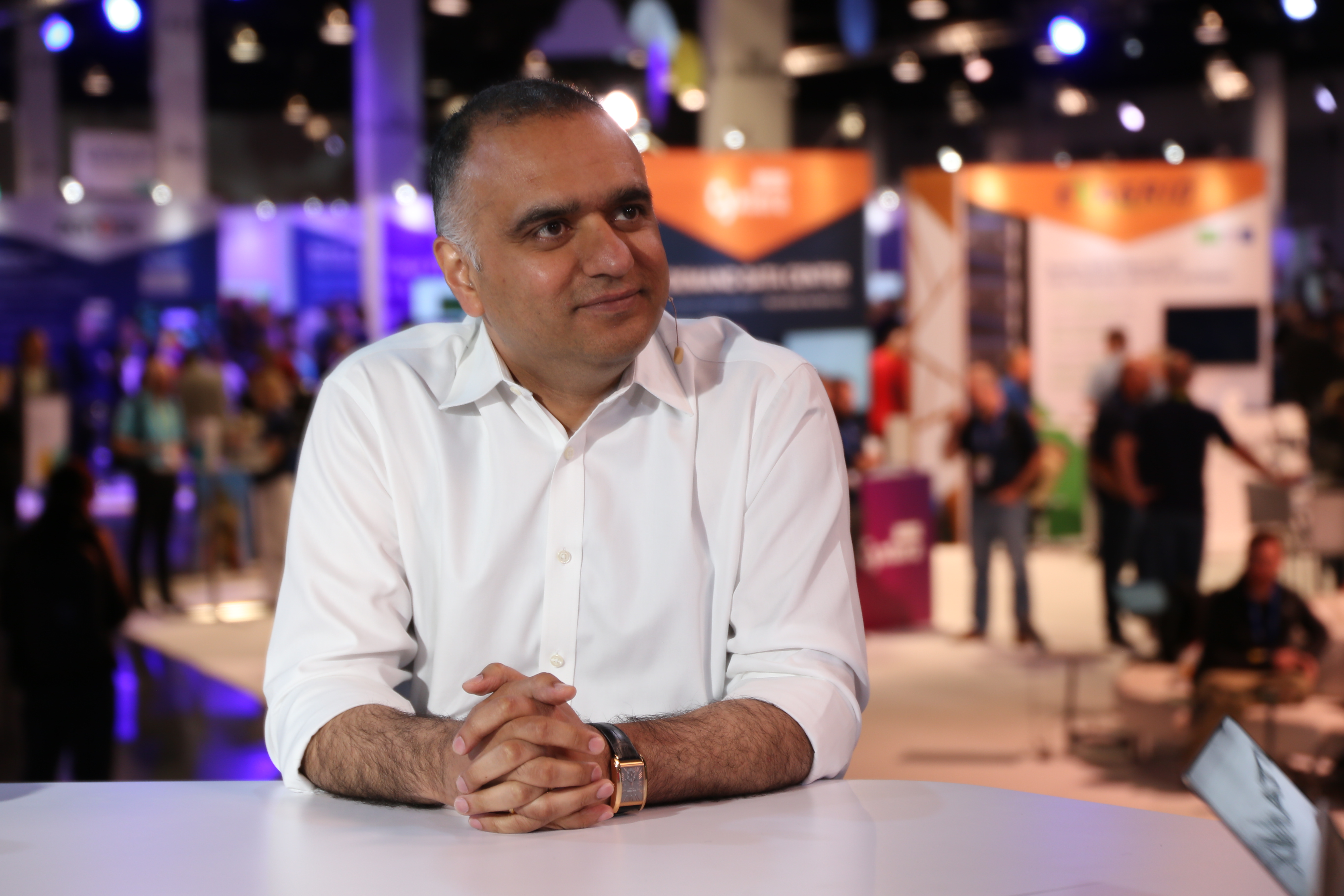
Abu Dhabi is leveraging its oil wealth to support startups focused on climate solutions, despite not reducing its oil dependency. In April, Abu Dhabi’s Hub71 launched its first decarbonization technology program, supporting five startups in sectors like energy and aquaculture. Hub71 CEO Ahmad Ali Alwan highlighted the UAE’s commitment to the climate agenda, aiming to enable and commercialize innovative solutions.

The UAE, committed to net zero carbon emissions by 2050, has invested heavily in renewable energy and carbon reduction technologies, restoring 6,400 hectares of carbon-absorbing mangroves. Hub71 now hosts around 20 climate tech startups, with applications for its programs doubling. A new cohort will be announced later this year.

Despite oil production comprising 46% of Abu Dhabi’s economy, the UAE is pushing for higher production quotas within OPEC. State-owned Adnoc aims to increase oil output to five million barrels per day by 2027, investing $150 billion to meet this goal.

Critics question Abu Dhabi’s commitment to decarbonization due to its oil dependence. However, experts like Patricia Keating from PwC Middle East believe the city is planning for a sustainable, diversified economy, positioning itself as a leading climate tech cluster in the region. Abu Dhabi’s ecosystem includes venture capitalists, investment funds, and corporates needing to decarbonize, providing an edge in the climate tech space.

The latest Hub71 cohort includes startups focusing on reducing emissions in oil and gas plants and mitigating gas flaring. Swedish spin-off Graphmatech, using graphene technology to enhance hydrogen sustainability, has been attracted by Abu Dhabi’s financial support. Green hydrogen, produced using renewable energy, is seen as crucial for decarbonizing sectors like heavy industry and transport.

The UAE aims to be a top hydrogen producer by 2031, using renewable, nuclear, and fossil fuel sources with carbon capture. Projects like Masdar and Emirates Steel Arkan’s green hydrogen steel production pilot are underway. Graphmatech’s technology, reducing hydrogen leakage by up to 85%, is being discussed with key stakeholders in Abu Dhabi.

Companies like Adnoc, Siemens Energy, and TAQA are backing the Hub71 program, offering funding and pilot program commitments, making Abu Dhabi a test bed for climate technologies.

Silicon Valley Bank’s Former Owner Gains Approval to End Bankruptcy

SVB Financial Group, the former owner of failed Silicon Valley Bank, received a U.S. judge’s permission on Friday to turn over its assets to creditors and end its bankruptcy. Its bankruptcy restructuring has made provision for the creation of a trust to pursue litigation against the U.S. Federal Deposit Insurance Corporation, which seized $1.9 billion from SVB Financial’s bank accounts during Silicon Valley Bank’s 2023 collapse – one of the largest in U.S. banking history.

The battle over the seized funds will play out in a California federal court. SVB Financial has argued the cash should be returned because the FDIC had invoked a “systemic risk” exemption to protect all deposits at Silicon Valley Bank, including accounts with more than the $250,000 that the FDIC typically protects. The FDIC has countered that it did not intend to protect the bank accounts of the parent company, saying the money was legally seized to offset its costs in rescuing the bank.

Depending on the outcome of the litigation, SVB Financial’s senior bondholders who are owed $3.3 billion will be paid between 41% and 96% of what they are owed. The bondholders include MFN Partners, Pacific Investment Management Company, Bank of America Securities, JP Morgan Securities, and King Street Capital, according to court documents. As part of its bankruptcy restructuring, SVB Financial has also sold assets, spinning off its venture capital business and investment banking unit.

MariaDB’s potential privatization deal reflects the repercussions of 2021’s SPAC frenzy

The potential sale of MariaDB to K1 Investment Management for $37 million marks the end of an era defined by the failed experiment of SPAC mergers, which gained momentary prominence in venture circles during the recent startup boom. Devamını Oku