
Apple Vision Pro Reportedly Faces Production and Marketing Cutbacks
Apple is said to have shipped around 45,000 Vision Pro headsets in Q4 2025 Devamını Oku

Apple is said to have shipped around 45,000 Vision Pro headsets in Q4 2025 Devamını Oku

Apple introduced its latest generation of hardware on Wednesday, rolling out new versions of the MacBook Pro, iPad Pro, and Vision Pro headset, all powered by the company’s most advanced M5 chip. The updates reinforce Apple’s push to stay ahead of rivals like Qualcomm and Intel, which have recently launched AI-optimized processors.
The new 14-inch MacBook Pro equipped with the M5 chip marks a significant upgrade from last year’s M4 lineup. Built using an advanced 3-nanometer process, the M5 delivers greater speed and energy efficiency, enabling devices to run large language models directly on the device. Despite the leap in performance, pricing remains unchanged — the MacBook Pro starts at $1,599, the iPad Pro at $999, and the second-generation Vision Pro headset at $3,499.
Apple said the new hardware lineup targets creative professionals and developers seeking on-device AI capabilities. The company’s decision to debut the M5 in its high-end products mirrors its strategy from previous years, prioritizing premium models before bringing the chip to other devices.
The Vision Pro, launched in 2023 as Apple’s first major new product in a decade, has received positive reviews for its visual quality but limited adoption. The updated version aims to attract more users with better performance and smoother app integration. Meanwhile, iPad sales are projected to grow about 6% in fiscal 2025 after a multi-year slump, aided by lower-cost models and a recovery in global electronics demand.
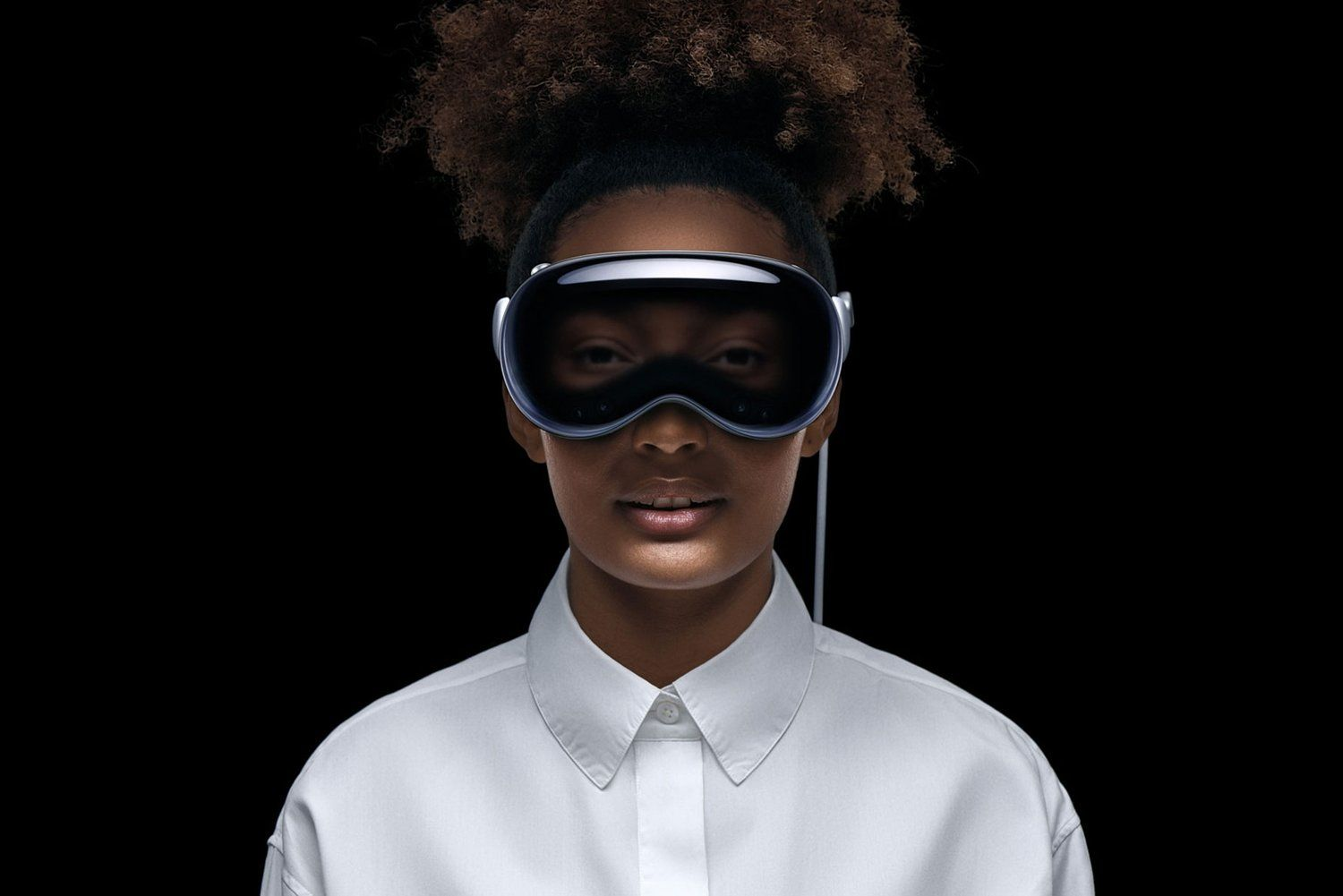
Apple has paused development of its next-generation Vision Pro headset to redirect resources toward the creation of artificial intelligence-powered smart glasses, according to a report by Bloomberg News citing people familiar with the matter.
The company had been working on a cheaper and lighter version of its $3,499 Vision Pro — code-named N100 — with a tentative release window in 2027. However, Apple reportedly told employees last week that development teams will now shift their focus to an AI glasses project, accelerating its timeline to compete directly with Meta Platforms’ smart eyewear.
The decision reflects Apple’s changing strategy in the face of slowing Vision Pro sales. The mixed-reality headset, launched in February 2024, received strong initial attention but quickly lost momentum amid limited mainstream content and competition from more affordable alternatives like Meta’s Quest series.
Apple is said to be working on two distinct smart glasses models:
N50, the first version, will connect to an iPhone and will not include a display. Apple aims to unveil this model as early as next year, with a public release planned for 2027.
A second, more advanced model — equipped with a built-in display — is now being fast-tracked for release around 2028, according to Bloomberg’s sources.
The advanced model is seen as Apple’s answer to Meta’s Ray-Ban Display glasses, which CEO Mark Zuckerberg showcased in September along with a new Oakley-branded “Vanguard” model designed for athletes.
Apple’s upcoming glasses will reportedly emphasize voice control and AI-driven functions, integrating tightly with iPhone services and Apple’s growing ecosystem of on-device intelligence.
The move highlights Apple’s broader push to catch up in artificial intelligence, an area where competitors such as Google and Meta have been more aggressive.
At Apple’s September product launch event, the company introduced new iPhones and a slimmer iPhone Air, but industry analysts noted the absence of major AI announcements, raising questions about Apple’s roadmap in the rapidly evolving AI market.
By contrast, Google’s Gemini-powered Pixel phones and Meta’s AI-integrated wearables have taken the spotlight in the consumer AI space.
When contacted by Reuters, Apple declined to comment on the report.
If the timeline holds, Apple’s shift could mark a major strategic pivot from mixed reality to wearable AI, positioning its smart glasses as a potential successor — not just a companion — to the iPhone.