Yazılar

Russia Defense Chief Touts ‘Common Understanding’ with China in Beijing Talks

Russian and Chinese defense officials pledged to bolster their military cooperation during a series of meetings in Beijing this week, highlighting deepening ties between the two countries in the face of shared tensions with the West.

Russian Defense Chief Andrey Belousov emphasized the alignment between Russia and China, stating that the two countries share “common views, a common assessment of the situation, and a common understanding of what we need to do together” during talks with Zhang Youxia, vice chairman of China’s Central Military Commission. According to Russian state media Tass, the officials discussed plans to further “strengthen and develop” their strategic partnership.

Belousov’s visit, his first to China since his appointment in May, comes just ahead of an anticipated trip by Chinese leader Xi Jinping to Russia, where he is expected to attend a BRICS summit in Kazan next week. The BRICS group, composed of Brazil, Russia, India, China, and South Africa, has emerged as an economic bloc that Moscow and Beijing promote as a counterbalance to the US-led Group of Seven (G7).

Strengthening Military Relations

During the meeting on Tuesday, Zhang reiterated a familiar message from both Xi and Russian President Vladimir Putin, calling for deeper military cooperation. According to China’s Ministry of Defense, the two sides agreed to continue expanding military relations and emphasized their commitment to safeguarding each country’s national sovereignty, security, and development interests.

Belousov’s discussions in China also included talks with Chinese Defense Minister Dong Jun, and both sides stressed the importance of furthering joint military operations, particularly in light of recent security challenges from Western powers.

Growing Sino-Russian Security Cooperation

Russia and China have increasingly cooperated on security and military matters, staging numerous joint military drills in recent months. These actions are seen by experts as a way for both countries to show that they are not isolated, despite tensions with the United States and its allies.

The growing military coordination comes amid accusations from Washington that Beijing is assisting Russia’s war efforts by supplying dual-use technologies like microelectronics. China has defended its trade with Russia as “normal” and insists that it remains neutral in the ongoing conflict between Russia and Ukraine.

High-profile joint military activities in recent weeks include joint patrols by Chinese and Russian coast guards in the Arctic Ocean and anti-submarine warfare exercises in the northwestern Pacific Ocean. One notable joint exercise took place near Alaska, where US and Canadian forces intercepted Russian and Chinese bombers together for the first time.

This cooperation signals an effort to project military strength and unity as global geopolitical tensions rise, particularly over issues like the South China Sea, where Beijing asserts extensive territorial claims, and Taiwan, which China views as part of its territory despite the island’s self-governance.

Taiwan Tensions

Belousov’s visit to China coincided with a record number of Chinese warplanes flying around Taiwan during large-scale military drills. These drills were labeled as a “stern warning” by Beijing against pro-independence forces in Taiwan, just days after Taiwan’s new president, Lai Ching-te, vowed to defend the island’s sovereignty in a speech. China claims Taiwan as part of its territory and has increased military pressure around the island in recent years.

The growing security cooperation between China and Russia, paired with their military exercises near sensitive regions like Taiwan and Alaska, underscores the broader strategic alignment between the two countries as they face growing resistance from Western nations.

Broader Diplomatic Implications

Xi’s expected trip to Russia next week will be his second visit to the country since Putin launched the invasion of Ukraine in February 2022. This will mark the fifth face-to-face meeting between the two leaders during this period, highlighting their close diplomatic relationship amid global challenges.

The high-level meetings and intensified military cooperation between the two countries continue to draw close scrutiny from the US and its allies, particularly as they watch how China positions itself concerning the war in Ukraine and its broader ambitions in the Indo-Pacific region.
‘God Save the Tsar!’: Putin Celebrates 72nd Birthday Amid Ongoing War in Ukraine

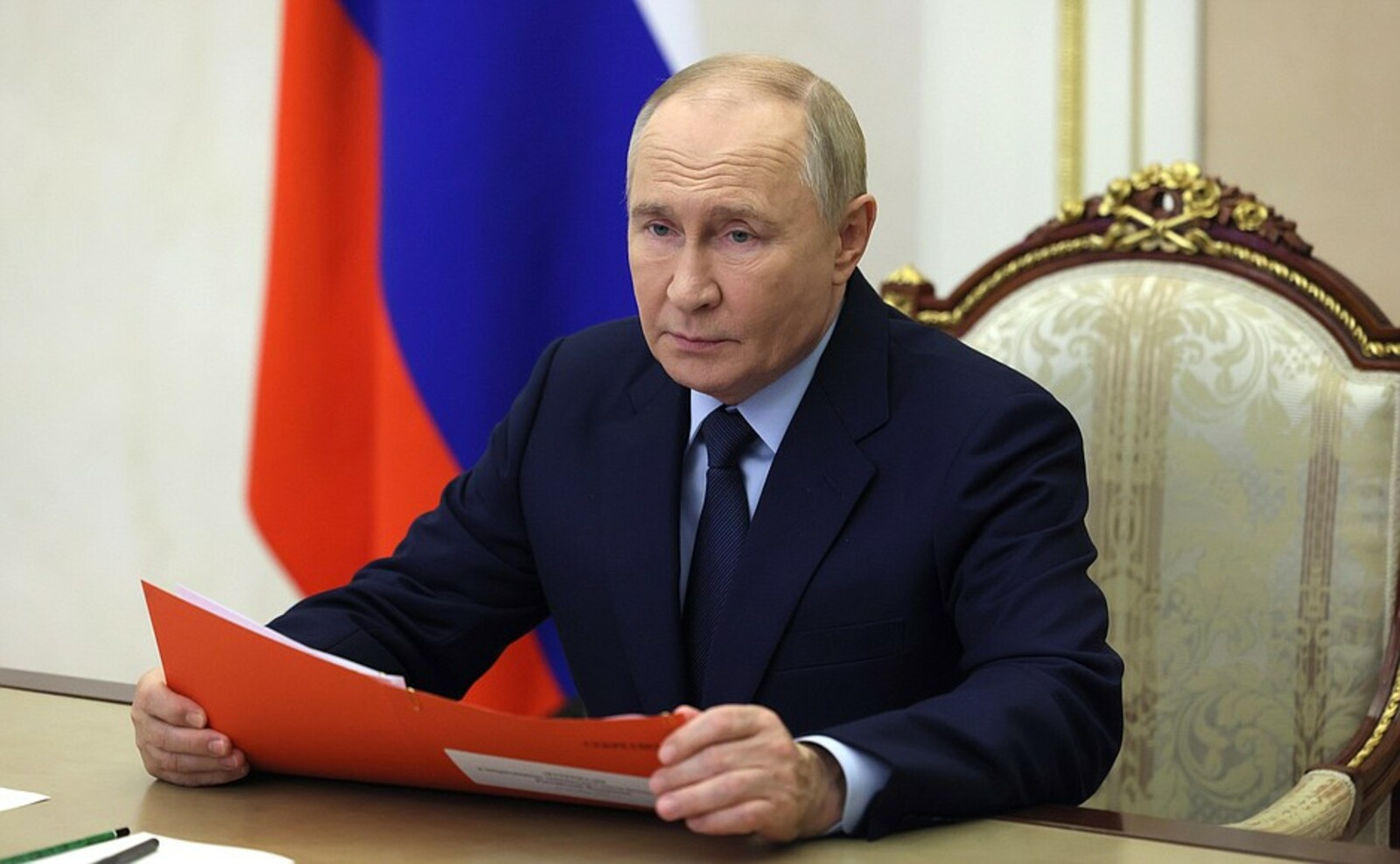
Russian President Vladimir Putin, who has held power for nearly 25 years, celebrated his 72nd birthday on Monday, receiving early birthday wishes that underscore his dominant role in Russian politics. Among the first to offer congratulations was ultra-nationalist ideologue Alexander Dugin, who wished “God save the Tsar!” on his Telegram channel shortly after midnight.

Dugin, a vocal advocate for the creation of a vast new Russian empire encompassing Russian-speaking territories, including Ukraine, aligns with Putin’s vision of Russia’s resurgence on the global stage. His message of imperialistic revival resonates with Putin’s own nationalist rhetoric, especially as Russia’s war against Ukraine rages on.

Putin’s Enduring Grip on Power

Putin’s recent re-election in March with a post-Soviet record landslide victory further solidified his hold on power. If he completes his new six-year term, Putin will surpass the rule of any Russian leader in the past two centuries, extending beyond even the era of the tsars and empresses. His leadership style, shaped by his background as a former KGB agent, has positioned him as an authoritative figure both domestically and internationally.

Putin has justified Russia’s invasion of Ukraine in 2022 as part of a broader historical confrontation with the West. He argues that the West, especially after the Cold War, humiliated Russia by expanding its influence into former Soviet territories, undermining Moscow’s geopolitical power.

Reactions from Allies and Critics

The ultra-nationalist voices in Russia, such as Dugin and Ramzan Kadyrov, the leader of Chechnya and a staunch Putin ally, were quick to celebrate the president’s birthday. Kadyrov, who refers to himself as Putin’s “foot soldier,” highlighted the significance of the day for the nation, underscoring the loyalty of those in Putin’s inner circle.

However, outside of Russia, Putin’s leadership continues to face significant opposition. Ukrainian President Volodymyr Zelensky and Western leaders have condemned Putin’s re-election and his military actions. Zelensky labeled the March election as illegitimate, while Western nations view the war in Ukraine as an imperialist endeavor by Putin, aimed at expanding Russian influence through violent means.

The war has caused immense suffering, with thousands of Ukrainian civilians dead, cities reduced to rubble, and millions of people displaced. Despite this, Putin maintains that Russia’s military efforts are justified, presenting the conflict as a defensive stand against the decline and aggression of the West.

Putin’s Legacy and the Russian Empire

As Putin celebrates his 72nd birthday, his vision for Russia remains intertwined with a centuries-old desire for empire and global dominance. Dugin’s invocation of “God save the Tsar” reflects a growing narrative among Russian nationalists who see Putin as the modern embodiment of Russia’s imperial legacy. This ideology, driven by figures like Dugin, feeds into the war in Ukraine and broader Russian ambitions.

Putin’s ability to hold power for nearly a quarter of a century has made him a towering figure in contemporary Russian history, but his legacy is deeply contested. While celebrated by many within Russia for standing up to Western powers, he is reviled abroad as an autocrat whose policies have resulted in the deaths of thousands and the destruction of Ukraine.

As the conflict in Ukraine grinds on and Putin continues his reign, his birthday serves as a reminder of the deep divisions within and outside Russia over the direction of his leadership and the future of the region.


Putin Warns of Direct Conflict with the West if Kyiv Is Allowed to Use Long-Range Missiles

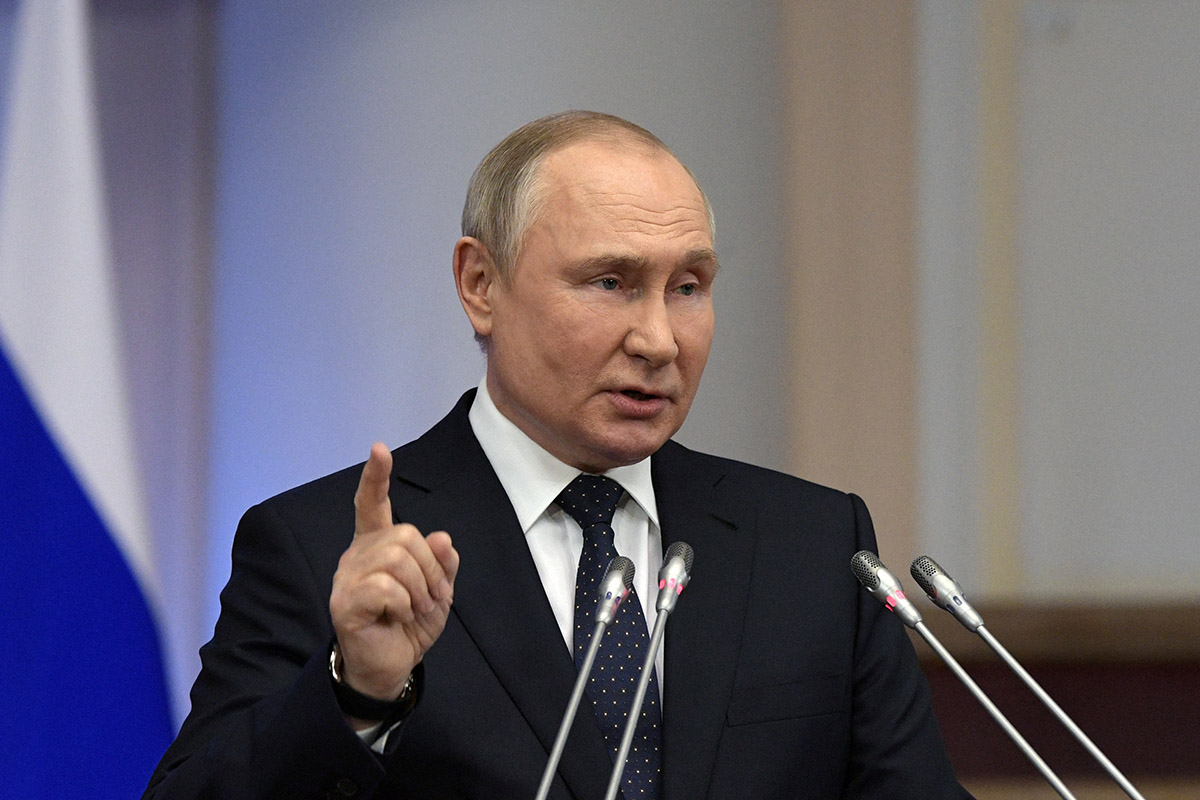
Russian President Vladimir Putin warned on Thursday that if the West permits Ukraine to use long-range Western-made missiles to strike Russian territory, it would amount to a direct military confrontation between NATO countries and Russia. Ukrainian President Volodymyr Zelensky has repeatedly requested long-range weapons, such as U.S. ATACMS and British Storm Shadows, to target deep within Russia and limit Moscow’s ability to launch further attacks.

In one of his most direct warnings yet, Putin emphasized that such a move would drag NATO directly into the conflict, as Kyiv lacks the technical expertise to program and target these missiles without Western military support. “This is not just about allowing the Ukrainian regime to strike Russia,” Putin told Russian state television, “but about NATO’s direct involvement in a military conflict.”

He also hinted that Russia would respond with “appropriate decisions” should NATO countries get involved, though he stopped short of specifying what those measures might be. Previously, Putin has suggested arming the West’s enemies with Russian weapons or deploying conventional missiles close to U.S. and European targets.

The warning comes as Russia continues to revise its nuclear doctrine, with calls from foreign policy hawks to expand the conditions under which Moscow might use nuclear weapons against nations supporting NATO’s involvement in Ukraine. Russia is also conducting naval exercises with China and considering limiting key exports.

The ongoing war, which Russia launched in 2022, is seen by Putin as part of a larger struggle against Western influence, which he claims has undermined Russian sovereignty since the fall of the Berlin Wall. Meanwhile, the West and Ukraine frame the invasion as a land grab, with Ukraine vowing to reclaim the 18% of its territory currently under Russian control.