Yazılar

CIA Director Warns of Genuine Risk of Russia Using Tactical Nuclear Weapons Early in Ukraine Conflict

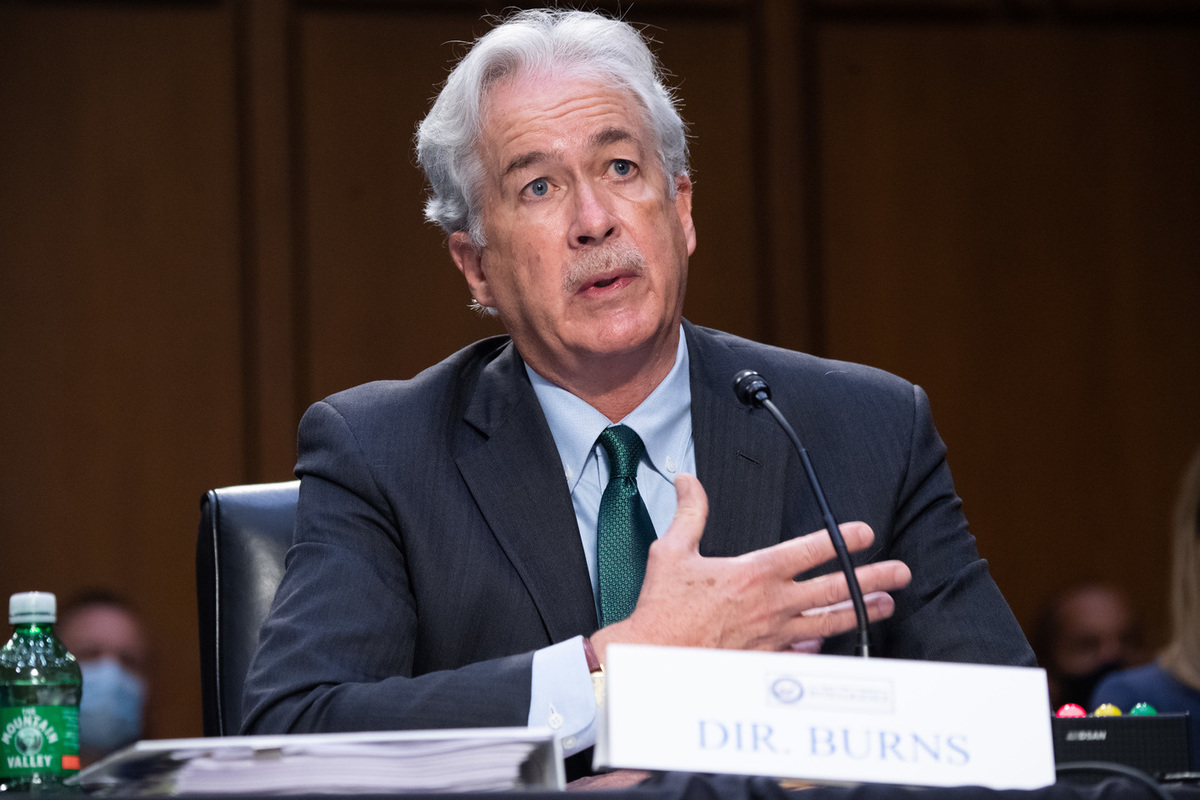
CIA Director William Burns revealed that in the fall of 2022, there was a “genuine risk” of Russia deploying tactical nuclear weapons on the battlefield in Ukraine. Speaking at the Financial Times Weekend Festival alongside the U.K.’s secret intelligence chief Richard Moore, Burns emphasized that the West should not be intimidated by Russian President Vladimir Putin’s nuclear threats, despite the heightened risk at the time. Burns noted that his agency did not believe in succumbing to such threats, describing Putin as a “bully” prone to saber-rattling. Burns also recounted his meeting with Russian intelligence chief Sergey Naryshkin in late 2022, where he stressed the severe consequences of nuclear escalation. The CIA director pointed to Ukraine’s recent offensive in Russia’s Kursk region as a morale boost for Ukrainian forces and a cause of concern for the Kremlin, exposing vulnerabilities in Putin’s regime and military. Amid this tension, Russia’s nuclear doctrine, which is defensive and focused on deterrence, may be subject to amendments following Ukraine’s advancements, according to Russian Deputy Foreign Minister Sergei Ryabkov.
 

Russia Warns of Global Conflict Risks Over Ukraine Strikes

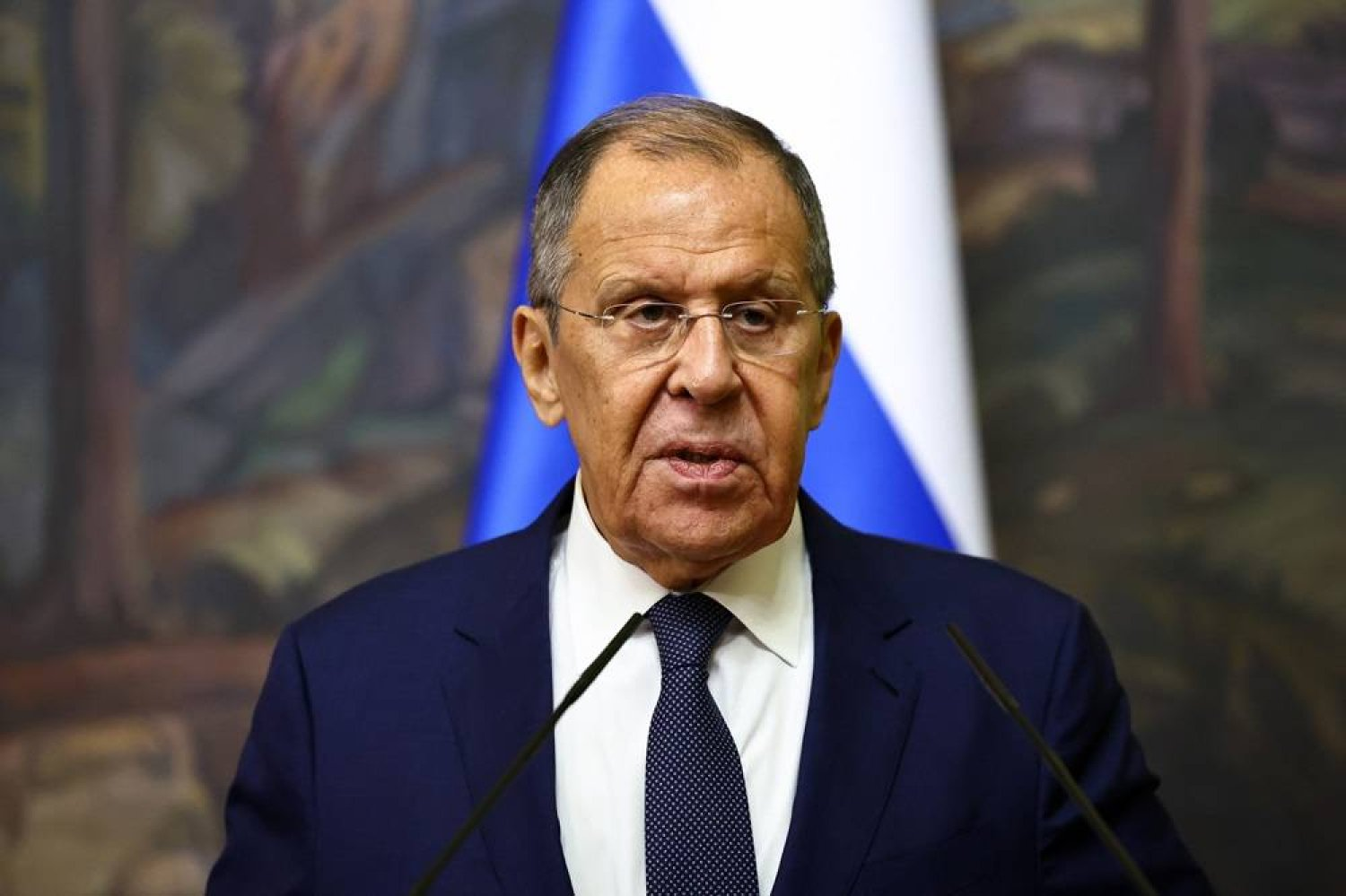
Russia has issued a stark warning to the United States and Western allies, cautioning that the potential escalation of the Ukraine conflict could lead to a broader, global confrontation. On Tuesday, Russian Foreign Minister Sergei Lavrov criticized Western considerations of permitting Ukraine to use Western-supplied missiles for deep strikes into Russian territory, arguing that such actions could trigger a dangerous international conflict.

The warning follows a significant attack by Ukraine on Russia’s Kursk region on August 6, marking one of the largest foreign assaults on Russian soil since World War II. Russian President Vladimir Putin has promised a “worthy response” to the attack, and Lavrov has accused the West of seeking to escalate the war and “asking for trouble” by relaxing restrictions on Ukrainian military operations.

Lavrov emphasized that Western nations, particularly the United States, are underestimating the risks of a wider conflict. He warned that the consequences of a global war would not be confined to Europe, despite what some in the U.S. might believe. “Playing with fire—like small children with matches—is very dangerous for those entrusted with nuclear weapons,” Lavrov stated.

In response to the ongoing conflict, Russia is reportedly reassessing its nuclear doctrine, which allows for nuclear weapon use in response to attacks that threaten the existence of the state. Lavrov’s comments reflect heightened concerns about the potential for nuclear escalation.

Ukrainian President Volodymyr Zelenskiy has downplayed Russian threats, arguing that Moscow’s retaliation promises are bluffs. Zelenskiy has called on Western allies to be more decisive in their support for Ukraine, pointing out that current restrictions on weapon usage limit Ukraine’s ability to strike critical Russian military targets.

Russia has accused Ukraine of employing Western weaponry, including British tanks and U.S. HIMARS rocket systems, in its assault on Kursk. Kyiv has confirmed the use of U.S. missiles to target bridges in the region. Despite Washington’s assertions that it was unaware of the Ukrainian plans prior to the attack, Russia’s intelligence chief Sergei Naryshkin and Deputy Foreign Minister Sergei Ryabkov have claimed that U.S. involvement in the operation is evident. The New York Times reported that the U.S. and Britain provided Ukraine with satellite imagery and other intelligence to aid in tracking Russian reinforcements following the attack.


Chinese Premier Li Qiang Visits Russia to Strengthen Ties Amid Ukraine Conflict

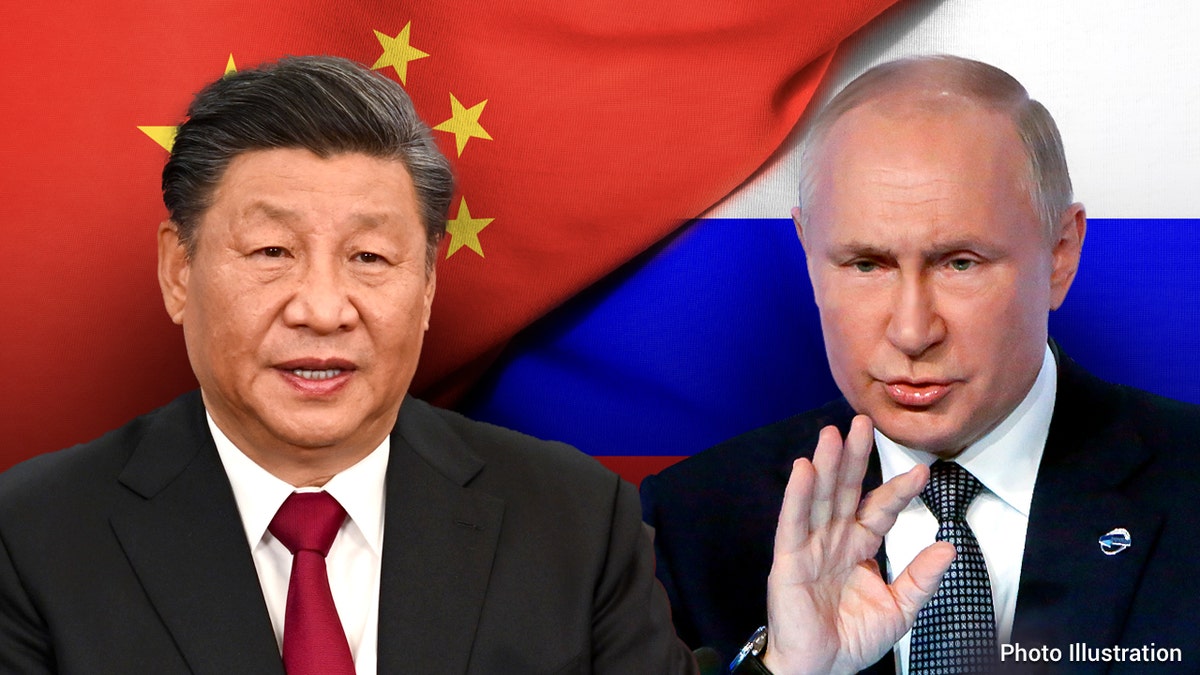
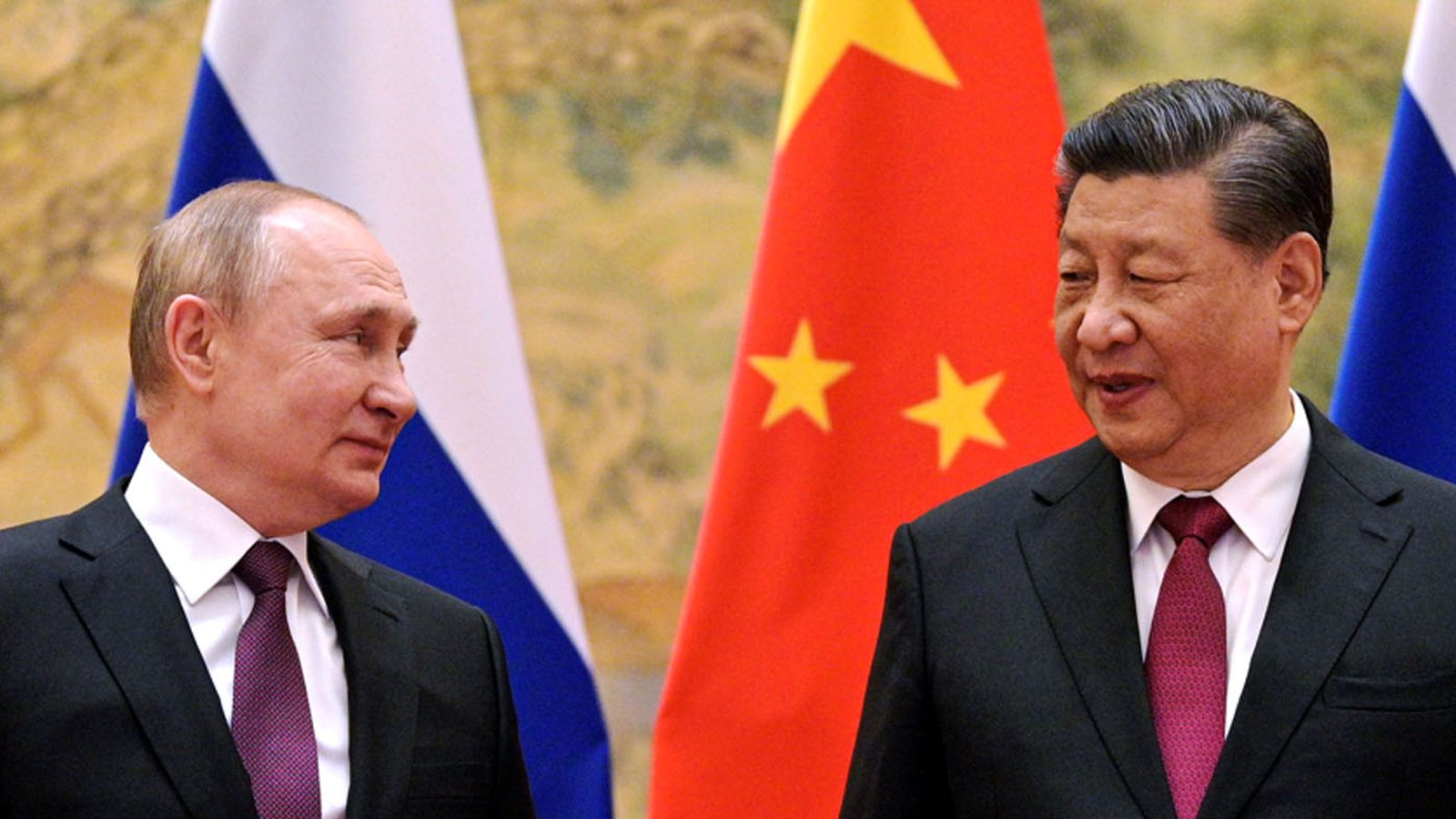
Chinese Premier Li Qiang has embarked on a four-day diplomatic visit to Russia and Belarus to bolster strategic ties between China and Russia amidst the ongoing war in Ukraine. Li, the second-highest official in China after President Xi Jinping, is scheduled to meet Russian President Vladimir Putin and hold talks with Prime Minister Mikhail Mishustin in Moscow. The discussions are centered around reinforcing China-Russia cooperation across various sectors, despite mounting Western criticism over China’s continued partnership with Russia amid the Ukraine conflict.

Upon his arrival at Moscow’s Vnukovo Airport on Tuesday, Li emphasized the vitality of China-Russia relations, describing them as entering a “new era” marked by increased political trust, fruitful cooperation, and enhanced international coordination. The visit reflects Beijing’s intent to further deepen its mutually beneficial relationship with Moscow, despite the broader international fallout from Russia’s full-scale invasion of Ukraine in 2022.

This high-level meeting comes just two weeks after Ukrainian forces launched a surprise incursion into Russia’s Kursk border region, a significant development as it marked the first time foreign troops entered Russian territory since World War II. The ongoing conflict has placed considerable pressure on Russia, both militarily and economically, with many urging a swift resolution to the war.

Picture background

While China has positioned itself as a potential peace broker, it has faced increasing scrutiny from Western nations regarding its supply of dual-use goods to Russia, which critics argue are bolstering Moscow’s war effort. Chinese officials have reiterated their stance on seeking a political settlement to the crisis, calling for restraint and a reduction in hostilities. However, Beijing’s actions have so far leaned heavily toward solidifying trade, economic, and security ties with Russia.

Bilateral trade between the two nations hit record highs in 2022, exceeding $240 billion ahead of schedule, with Russia growing increasingly dependent on China’s market and investments in the face of broad international sanctions. Trade between the two countries continued to rise by over 25% year-on-year in 2023, although growth has slowed to 1.6% between January and July compared to the same period last year, according to Chinese customs data.

Li’s visit is part of the annual meeting between Chinese and Russian prime ministers, a tradition that has continued since 1996 to ensure the practical implementation of cooperative measures guided by Xi and Putin. This year’s discussions are expected to focus on trade, economic partnerships, and strategic coordination as both countries navigate the complex geopolitical landscape shaped by the Ukraine conflict.

After his meetings in Russia, Li will conclude his trip with a visit to Belarus, where he is set to meet Belarusian Prime Minister Roman Golovchenko. The two leaders will engage in discussions aimed at strengthening bilateral relations and exploring new opportunities for cooperation across various sectors. This visit underscores China’s broader regional influence as it seeks to balance its relationships amidst the ongoing conflict in Ukraine and global economic pressures.