EU Governments Set to Vote on Chinese EV Tariffs Amid Concerns Over Retaliation
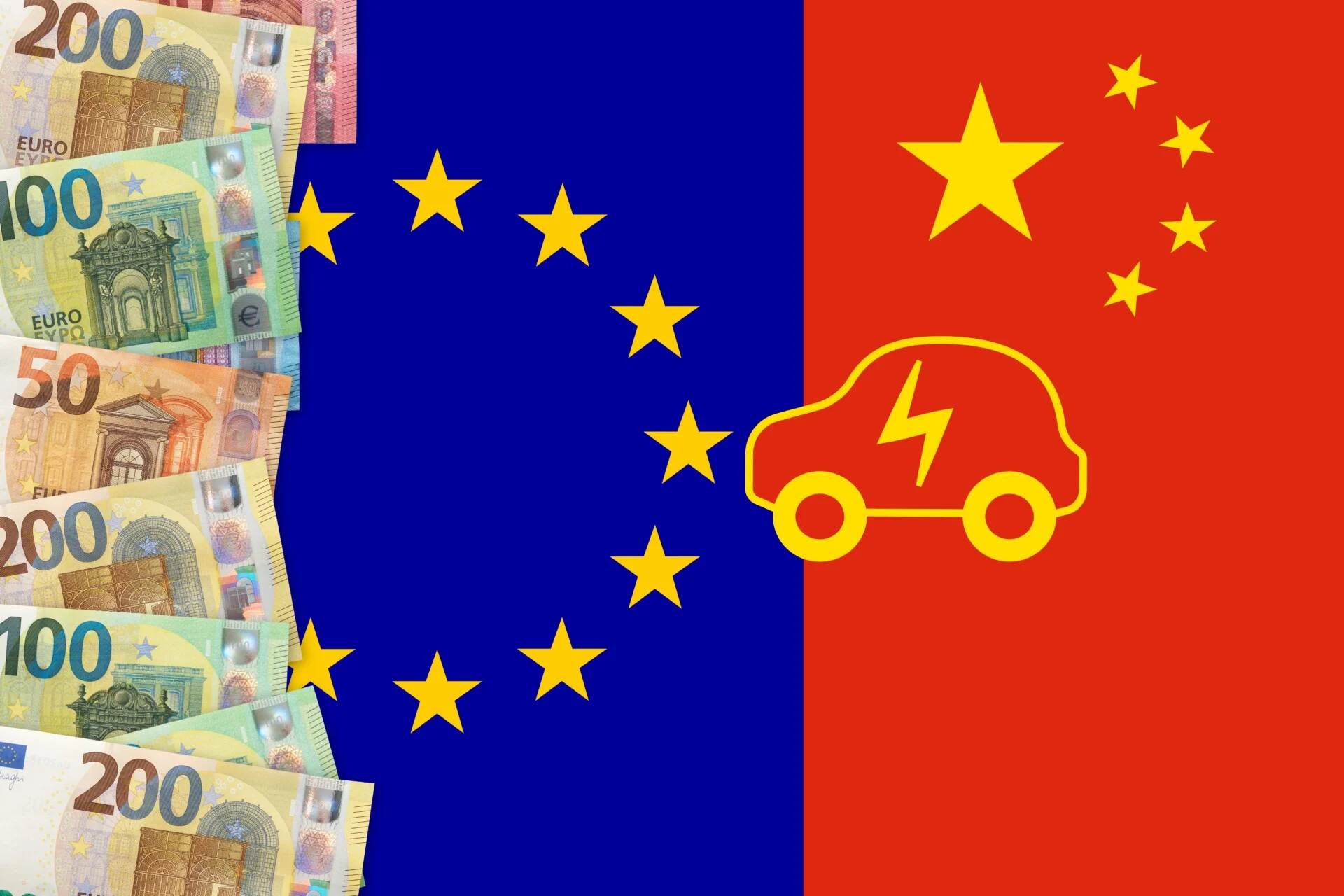
European Union member states are preparing for a crucial vote on Friday to determine whether to impose tariffs of up to 45% on Chinese-made electric vehicles (EVs). The proposed tariffs follow a year-long anti-subsidy investigation, which concluded that Chinese EVs benefit from unfair government subsidies, distorting competition within the EU market. The vote comes amid concerns of potential retaliation from Beijing, which has already initiated its own probes into European imports.
The European Commission, which manages trade policy for the bloc, has proposed the tariffs for the next five years. However, under EU rules, the decision requires a qualified majority, meaning 15 EU countries representing 65% of the bloc’s population must support or reject the proposal. If the vote is split, the Commission can still move forward with the tariffs but may also opt to amend the proposal to gain broader support.
France, Italy, Greece, and Poland have reportedly voiced their support for the tariffs, ensuring there won’t be a blocking majority against the measures. Meanwhile, Germany, the EU’s largest economy and a major car producer, is expected to vote against the tariffs. German automakers, such as Volkswagen, have expressed strong opposition, citing the significant share of their sales that come from the Chinese market, which accounts for almost a third of their global revenue. Volkswagen has labeled the proposed tariffs as “the wrong approach.”
The stance of Spain has shifted in recent days. Previously in favor of tariffs, Spanish officials have now called for a continuation of negotiations rather than imposing immediate duties. In a letter to European Commission Vice President Valdis Dombrovskis, Spain’s economy minister suggested seeking a deal on prices and relocating battery production to the EU. Spanish Prime Minister Pedro Sanchez had also indicated a desire to reconsider the EU’s position during his visit to China.
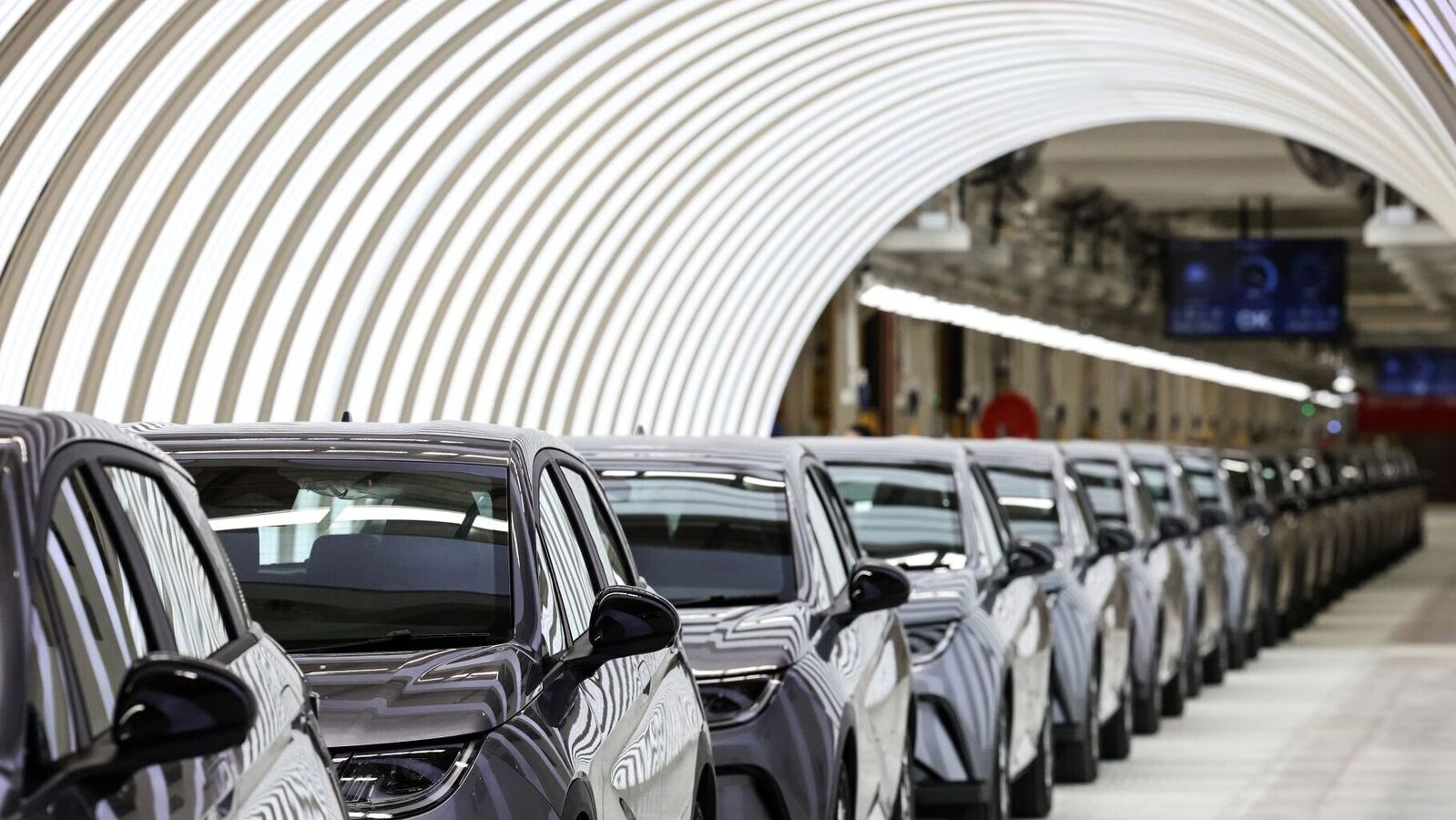
While some EU countries remain cautious of China’s reaction, the bloc’s relationship with China has become more complex over the past five years. The EU now views China not only as a partner but also as a competitor and systemic rival. In light of China’s 3 million surplus EV production capacity — double the size of the EU market — Europe has emerged as the most viable market for Chinese exports, especially given the 100% tariffs imposed by the United States and Canada on Chinese EVs.
The Commission remains open to further negotiations with China, considering alternatives to tariffs. A possible solution could involve setting minimum import prices based on various criteria, including EV range, battery performance, and vehicle specifications. The current tariff proposal includes additional duties of 7.8% for Tesla and 35.3% for SAIC and other non-cooperating companies, on top of the EU’s standard 10% import duty for cars.
As the EU prepares for this pivotal vote, the outcome will likely have far-reaching consequences for EU-China trade relations, the European automotive market, and the broader global EV supply chain.