Yazılar

Uber and Momenta to Launch Level 4 Self-Driving Tests in Munich in 2026

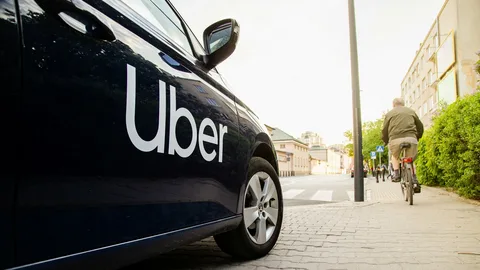
Uber and Chinese autonomous driving firm Momenta announced Monday that they will begin testing Level 4 self-driving vehicles in Munich, Germany, starting next year. The move marks Uber’s latest push to expand its robotaxi business beyond the U.S. and China.

Level 4 autonomy refers to vehicles capable of fully automated driving within defined conditions, though regulators still require safety oversight. Germany has emerged as a key testbed for autonomous mobility, with favorable legal frameworks and major automakers advancing the technology.

Uber has sought to secure its place in the robotaxi race through partnerships with Waymo (Alphabet), Lucid, and WeRide, while rivals like Tesla are also scaling their autonomous taxi services.

For its part, Momenta brings significant real-world experience. Its driver-assistance technology is already deployed in 400,000 vehicles globally through automaker partnerships. The collaboration with Uber, first announced in May, aims to accelerate deployment in international markets outside the U.S. and China.

The launch in Munich underscores the intensifying global competition in autonomous mobility, even as regulators maintain tight scrutiny following high-profile accidents in the sector.
Uber Seeks Funding from Banks and Private Equity to Expand Robotaxi Business

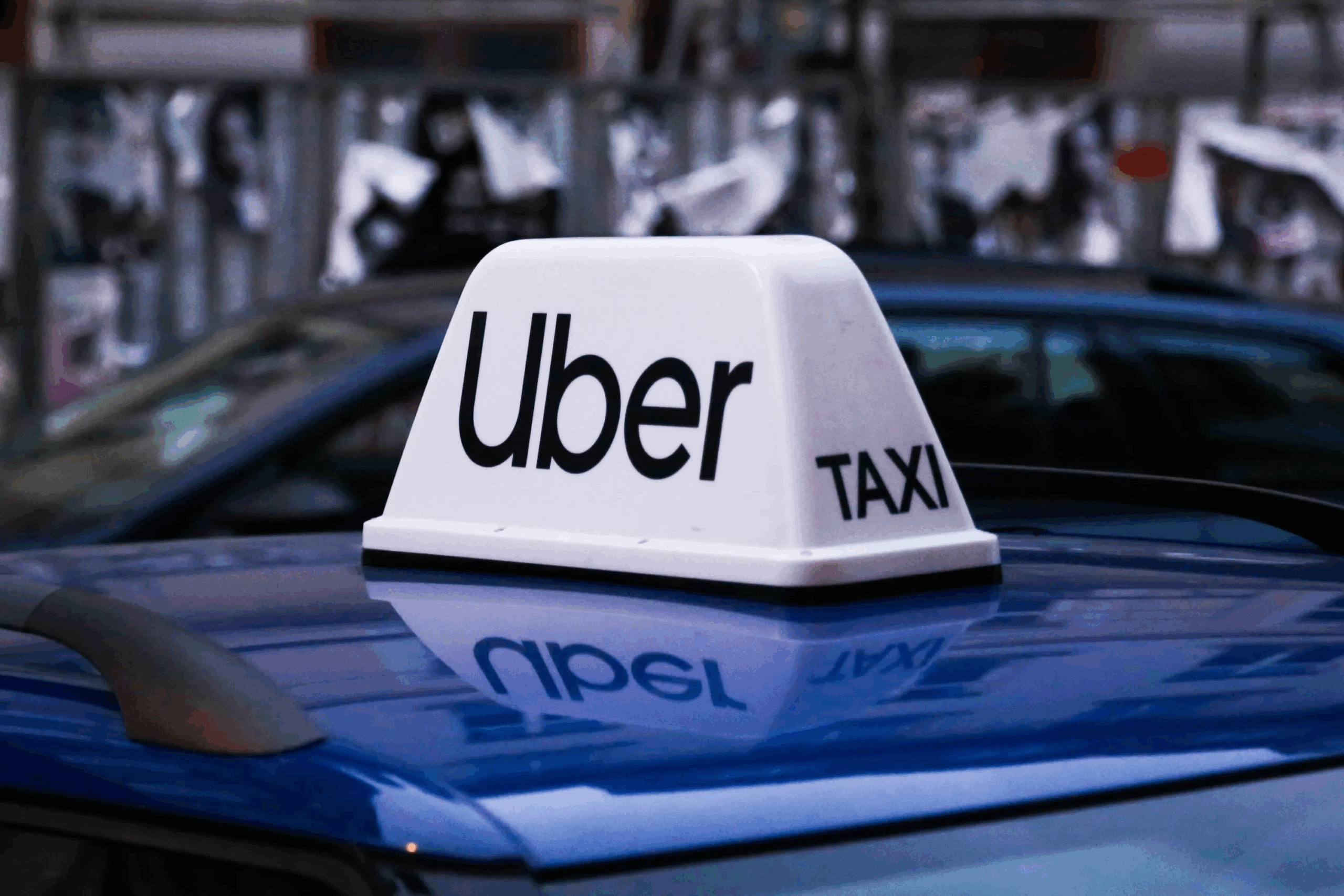
Uber CEO Dara Khosrowshahi revealed that the company is in discussions with private equity firms and banks to secure financing for the expansion of its robotaxi operations. This move aligns with Uber’s strategy to scale up its autonomous vehicle business amid growing competition and interest in self-driving technology.

Uber currently offers robotaxi rides through a partnership with Alphabet-owned Waymo and is deepening ties with automakers such as Volkswagen and Lucid to increase its fleet of autonomous vehicles. The company’s robotaxi business model includes three approaches: charging fixed rates to vehicle-owning partners, revenue sharing with fleet operators, and owning vehicles while licensing the self-driving software.

Khosrowshahi emphasized that once Uber demonstrates the revenue potential per vehicle, attracting additional financing will be easier. Presently, the company plans to allocate a “modest” part of its roughly $7 billion annual cash flow towards robotaxi deployment and may also consider selling minority stakes to fund expansion.

Industry analysts note that scaling robotaxi services could significantly reduce Uber’s reliance on human drivers, lowering costs and boosting profitability. Uber’s robotaxi offerings are live in Austin, Texas, and Atlanta, Georgia. In April, Uber signed a deal with Volkswagen to deploy thousands of autonomous electric vans across the U.S. over the next decade. Additionally, a $300 million partnership with Lucid and Nuro will enable Uber to deploy more than 20,000 autonomous taxis over six years.

Despite regulatory challenges, market skepticism, and high costs that have led some companies to scale back autonomous vehicle projects, Uber, Tesla, and Waymo continue to push robotaxi adoption, with Tesla and Waymo expanding services in key U.S. cities such as Austin, San Francisco, and beyond.

Ken Mahoney, CEO of Mahoney Asset Management, commented on the market potential, noting that many companies see the robotaxi sector as a promising growth area with a large total addressable market.

Tesla Invites Select Users to Texas Robotaxi Trial with Front Seat Safety Monitors

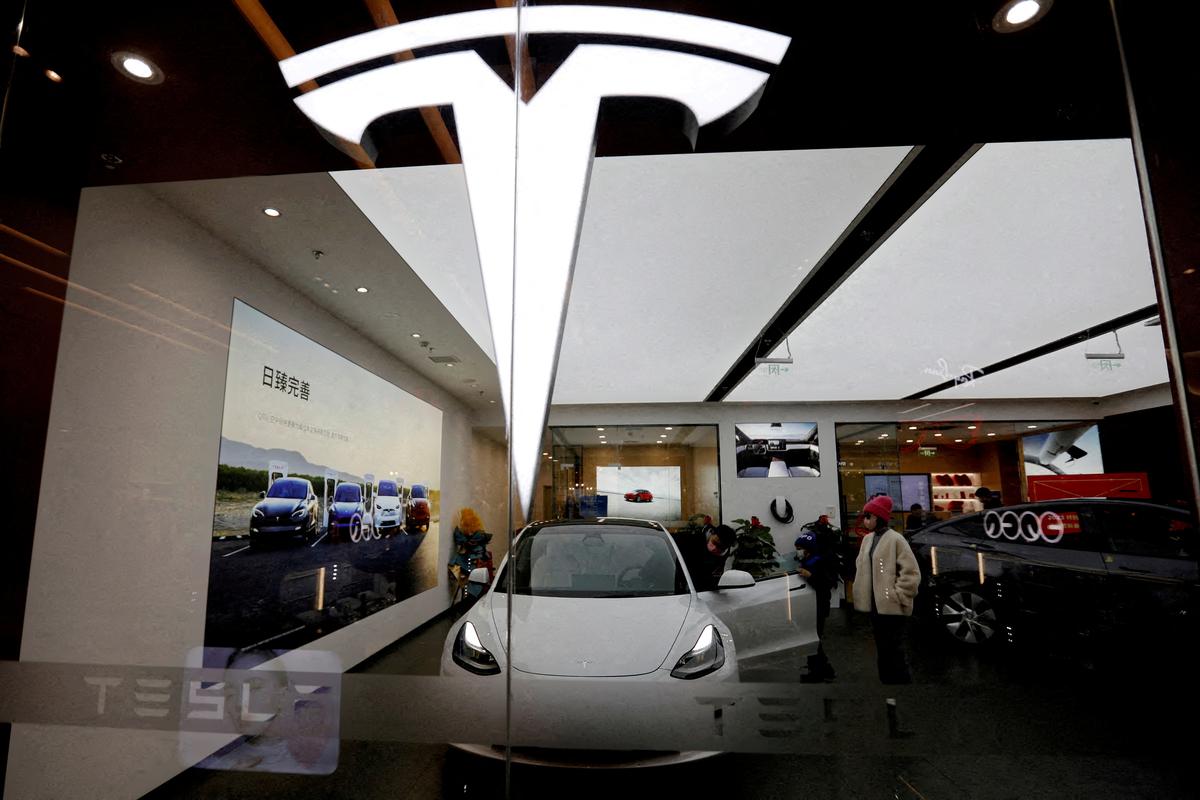
Tesla (TSLA.O) has invited a small group of users to participate in a limited test of its robotaxi service in Austin, Texas, tentatively scheduled to begin this Sunday, according to social media posts and email screenshots. The invitations indicate that a Tesla employee will accompany riders in the front passenger seat during the trial.

This trial in Austin is a critical step for Tesla as the company faces challenges including declining car sales linked to CEO Elon Musk’s political stances. Tesla has increasingly shifted focus from producing affordable electric vehicles to advancing robotics and artificial intelligence, a strategy that underpins much of its market valuation.

Elon Musk has emphasized safety for the trial, stating that the vehicles will be monitored remotely by humans and expressing confidence in scaling the robotaxi service quickly. The initial deployment will involve about 10 Model Y SUVs equipped with Tesla’s full self-driving driver assistance software.

The rollout could be delayed, and operations may be limited or suspended in poor weather conditions. Riders must be at least 18 years old. Tesla’s cautious approach to the robotaxi launch drew approval from X.com user Omar Qazi (@WholeMarsBlog), who received an invitation and noted, “Tesla is rolling out the Robotaxi service extremely cautiously, which is good. Baby steps.” Musk responded, “Very much so.”

Despite the enthusiasm, commercializing autonomous vehicles remains costly and risky. Tesla, along with competitors like Alphabet’s Waymo (GOOGL.O) and Amazon’s Zoox (AMZN.O), has faced federal probes and recalls linked to crashes involving self-driving cars.

Experts have raised concerns about Tesla’s heavy reliance on cameras and AI, without backup sensors such as lidar or radar, warning that adverse weather like fog, heavy rain, or sun glare could compromise safety.

Recently, a group of Democratic lawmakers from Austin urged Tesla to postpone the rollout until September, when new state regulations on autonomous vehicles will come into effect.

Users in Austin who receive invitations can download Tesla’s Robotaxi app to summon a vehicle. One screenshot shared online stated, “Through this exclusive preview, you’ll have the opportunity to provide valuable feedback on our Robotaxi service.” Reuters was unable to immediately verify the screenshots’ authenticity.