Yazılar

United Natural Foods Cyber Incident Disrupts Operations, Affects Whole Foods Supply

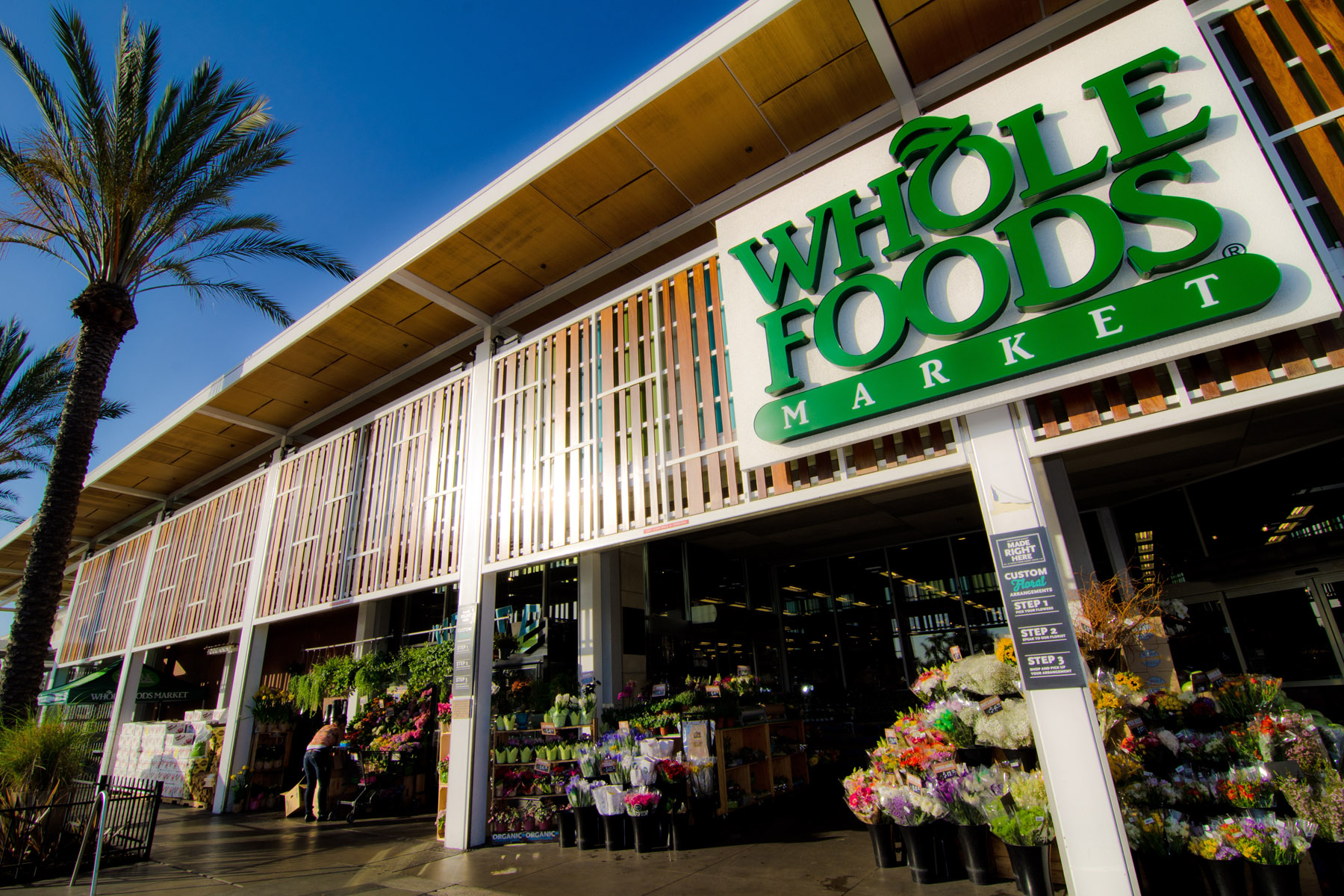
United Natural Foods Inc (UNFI), a major U.S. grocery distributor supplying clients including Whole Foods, experienced a cyber incident that forced it to take certain internal systems offline, temporarily disrupting its ability to fulfill and distribute customer orders.

The company disclosed in a June 9 SEC filing that it proactively shut down some systems after detecting unauthorized activity on its networks on June 5. While specifics of the incident were not disclosed, the disruption has caused operational delays expected to continue for a time.

Shares of United Natural fell sharply on Monday, closing down nearly 7% at $25.94 amid concerns over the incident’s impact.

A Whole Foods spokesperson confirmed efforts to restock shelves promptly but referred further questions to United Natural Foods.

This incident follows a series of recent cyberattacks affecting major retailers in the U.S. and UK, including Marks & Spencer, Co-op, Harrods, and Victoria’s Secret. While United Natural has not confirmed the nature of the unauthorized activity, similar disruptions have frequently involved ransomware attacks, where criminals encrypt company data and demand ransom payments.

United Natural Foods is the largest publicly traded distributor focused on “healthier food options” across the U.S. and Canada and recently secured an eight-year extension as primary distributor for Amazon-owned Whole Foods. The company reported $8.2 billion in net sales for the 13 weeks ending February 1, 2025.

The FBI has not commented on the incident.

Amazon Faces Union Vote at North Carolina Warehouse Amid Labor Push

Amazon (AMZN.O) is currently facing its second workers’ union vote in just two months, as employees at a warehouse in Garner, North Carolina, decide whether to join the newly-formed Carolina Amazonians United for Solidarity and Empowerment (CAUSE). The vote, taking place through this week, will determine if workers wish to collectively bargain with the retail giant for better wages, improved breaks, and more scheduling flexibility, among other demands. A simple majority is required for the union to be recognized.

This vote follows the successful unionization effort in January at a Whole Foods store in Philadelphia, marking the first victory for workers at the national grocery chain since its acquisition by Amazon in 2017.

Should the vote succeed, it could lead to further unionization efforts across Amazon’s U.S. warehouse network, which could increase the company’s labor and logistics costs. However, if the vote fails, it could dampen the momentum for unionization at Amazon.

Italo Medelius-Marsano, the secretary for CAUSE, emphasized the group’s push for better compensation and work conditions. The group is advocating for wages as high as $30 per hour, longer breaks, and job protections. Medelius-Marsano, who works at the shipping dock of the Garner facility, argued that Amazon could afford to pay its workers more, given its financial standing.

Amazon has strongly opposed unionization in the past, preferring to address workers’ concerns through direct communication with the company. Despite a union victory in 2022 at a Staten Island warehouse, Amazon has not yet recognized the union or entered into negotiations with workers. The company is also facing legal challenges following allegations of misconduct during union votes at its Alabama facilities.

Earlier in the month, Whole Foods sought to have the results of its recent election dismissed after the National Labor Relations Board (NLRB) had been reduced to just two members following the firing of board officials during the Trump administration. Whole Foods alleged worker intimidation during the vote.

Amazon has been accused of retaliating against union activists at the Garner facility, including claims of firing workers and withholding benefits. The company, however, denies these allegations and maintains it is acting within its rights. An Amazon spokesperson pointed to the starting pay of $18.50 per hour at the Garner warehouse, which is significantly above the state’s minimum wage, and reiterated that employees should have the opportunity to voice their concerns directly with the company.

Startup Revolutionizes Methane Mitigation with Microbes, Partners with Whole Foods for Climate-Friendly Products

In the ongoing battle against global warming, the focus has often been on reducing carbon emissions. However, methane, while less prevalent, is significantly more harmful due to its high efficiency in trapping heat. Addressing methane emissions is crucial for achieving global climate goals. Enter Windfall Bio, a California-based startup pioneering a novel approach to methane reduction that could have a substantial impact on the environment.

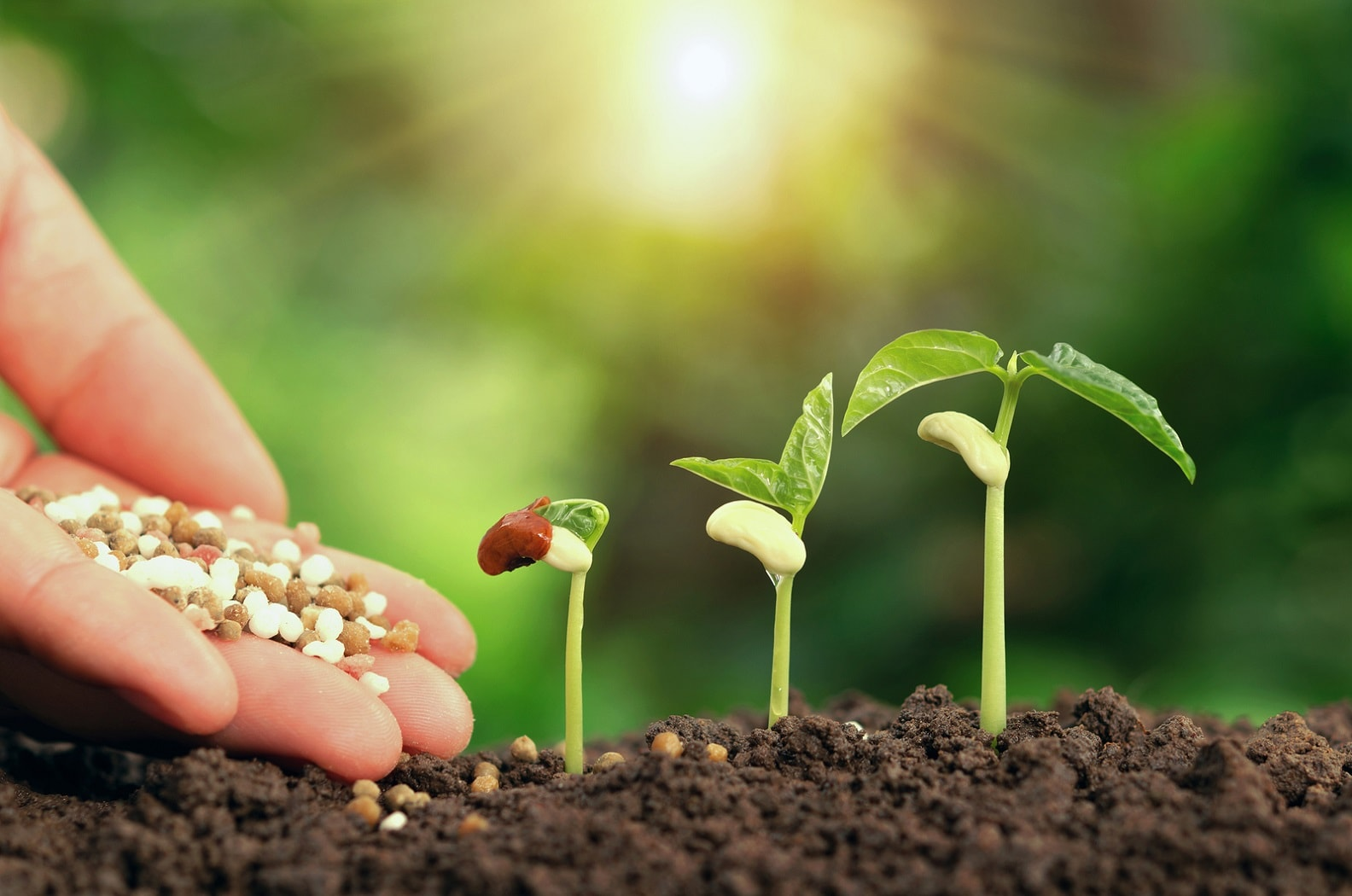
Windfall Bio has developed a method utilizing “mems” — methane-eating microbes that naturally occur in soils and wetlands. These microbes consume methane as their primary food source, converting it into fertilizer. This innovative approach not only reduces harmful methane emissions but also produces a valuable byproduct. According to Josh Silverman, CEO of Windfall Bio, the company’s mission is to provide these microbes to various industries that generate methane, such as agriculture, landfills, and oil production.

The application of mems is versatile. For instance, farmers can use these microbes to capture methane emissions from livestock, particularly cows, and convert it into fertilizer for their crops. Similarly, oil producers and landfills can deploy mems to mitigate methane emissions from their operations. Windfall Bio offers an additional incentive by buying back the fertilizer produced, providing a revenue stream for these industries while contributing to environmental sustainability.

Traditional fertilizer production is energy-intensive and generates significant carbon emissions, especially in the production of ammonia-based fertilizers. Windfall Bio’s microbial method presents a cleaner, more sustainable alternative that aligns with the growing demand for environmentally friendly solutions.

Since launching their product to clients two years ago, Windfall Bio has seen a surge in demand that has far exceeded expectations. The company now serves customers across multiple continents and continues to attract interest from various industries. Despite being an early-stage company, investors like Brett Morris, managing director at Cavallo Ventures, are confident in Windfall Bio’s potential to scale and meet the growing global demand for methane mitigation.

One of Windfall Bio’s most promising ventures is a pilot program with Whole Foods Market dairy suppliers. This partnership aims to reduce methane emissions in dairy farming and enable Whole Foods to market its products as climate-friendly, appealing to environmentally conscious consumers.

Backed by notable investors including Cavallo Ventures, Prelude Ventures, Amazon Climate Pledge Fund, Breakthrough Energy Ventures, and Mayfield, Windfall Bio has raised $37 million in funding to date. With this support, the company is well-positioned to expand its operations and continue making significant strides in methane reduction and sustainable agriculture.