Yazılar

HPE Forecasts Below-Estimate Revenue Amid Tariff Impact and Cost-Cutting Measures

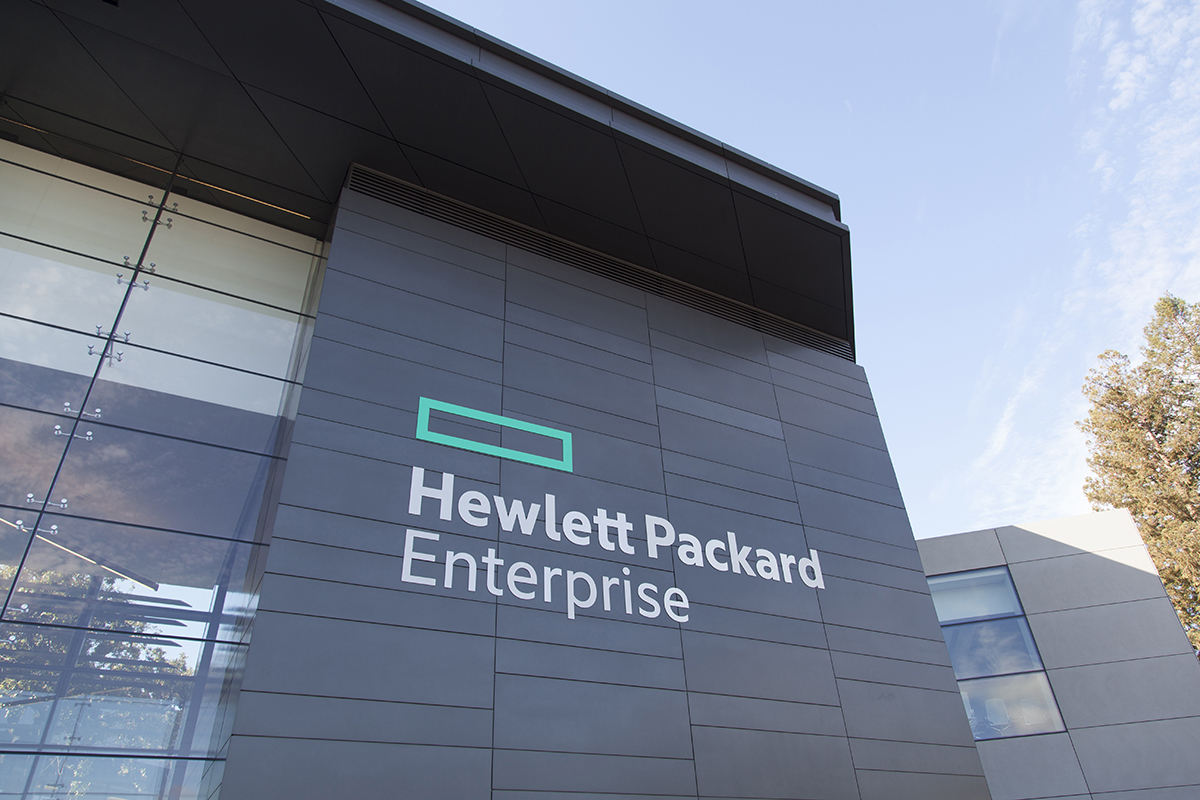
Hewlett Packard Enterprise (HPE) has projected quarterly revenue growth below analysts’ estimates, resulting in a nearly 20% drop in its shares in after-hours trading. The company attributed this forecast to the uncertainty created by the U.S. tariff war, which has affected its server business.

CEO Antonio Neri addressed the issue on a post-earnings call, explaining that HPE plans to adjust the prices of its products and leverage its global supply chain to mitigate the impact of both imposed and threatened tariffs. Neri added that the forecast reflects the company’s best estimate of the net effects of U.S. tariff policy.

U.S. President Donald Trump recently exempted certain goods from Canada and Mexico under a North American trade pact until April 2, temporarily easing some tariffs. However, Trump’s additional 10% duty on Chinese goods, which follows a 10% tariff imposed earlier in February, took effect this week, adding more pressure on companies like HPE.

Sales outside the U.S. account for nearly 64% of HPE’s net revenue in fiscal 2024, with key operations, including production and final assembly, based in Mexico and China. CFO Marie Myers stated that the company expects to mitigate much of the tariff impact during the second half of the year, although some effects may be felt in the second quarter as mitigation measures are gradually implemented.

HPE’s second-quarter revenue forecast falls between $7.2 billion and $7.6 billion, which is below the analysts’ expected $7.93 billion. The company’s profit forecast also missed expectations. In a bid to cut costs, HPE announced plans to lay off 5% of its global workforce, equating to approximately 2,500 jobs. These layoffs are part of a cost-saving program expected to generate about $350 million in savings by fiscal 2027. HPE had around 61,000 employees as of October 31.

Despite these challenges, the company reported first-quarter revenue of $7.85 billion, slightly surpassing analysts’ estimates of $7.82 billion. Server revenue grew by 29%, reaching $4.3 billion.

GM Completes Full Acquisition of Cruise to Focus on Autonomous Personal Vehicles

General Motors (GM) announced on Tuesday that it has completed the full acquisition of its Cruise division, signaling a shift in focus toward developing autonomous technology for personal vehicles, rather than continuing with the robotaxi business. This strategic move comes after GM decided in December to halt funding for Cruise’s robotaxi operations, following a series of challenges including a pedestrian injury caused by one of its robotaxis.

GM plans to integrate Cruise’s autonomous technology into its Super Cruise system, which allows hands-free driving on 750,000 miles of North American roads. Super Cruise is already available on over 20 GM vehicle models, and the company aims to expand its use in urban environments. The merger also involves significant staff reductions, with Cruise cutting around 50% of its workforce, impacting nearly 1,000 employees according to sources close to the matter.

The goal of the acquisition is to accelerate the development of autonomy at scale for personal vehicles, rather than robotaxis. GM believes that this merger will help advance both assisted driving and full autonomy. The company has forecasted that Super Cruise will generate approximately $2 billion in annual revenue within the next five years.

Dave Richardson, senior vice president of software and services engineering at GM, expressed that this move will speed up efforts to bring autonomous driving capabilities to personal vehicles. The transition marks a pivotal moment for GM, as it shifts its focus toward achieving greater success with its hands-free driving technology.


Renesas to Cut Less Than 5% of Global Workforce Amid Sluggish Chip Demand

Renesas Electronics, a Japanese chipmaker specializing in automotive semiconductors, has announced plans to reduce its global workforce by less than 5%, which translates to fewer than 1,000 jobs. The decision comes as the company faces weaker-than-expected demand for its chips. Renesas, whose clients include major automakers Toyota and Nissan, also revealed that it would cancel planned salary increases for employees, including executives, scheduled for this spring.

Although the company did not specify the exact number of job cuts, it stated that the layoffs were aimed at improving its ability to execute its long-term growth strategy, particularly in light of ongoing market softness. Renesas is known for its automotive chips but is also working to diversify its business. In February, the company announced plans to acquire electronics design firm Altium for $5.9 billion as part of its efforts to broaden its portfolio.

Renesas’ shares dropped by 3% during Tokyo trading on Wednesday, reflecting investor concerns over the company’s response to the current market conditions.