
Yazılar

Sonos CEO Patrick Spence Steps Down Amid App Update Controversy

Sonos (SONO.O) has announced that CEO Patrick Spence will step down following a highly criticized app update that significantly affected the company’s customer experience and delayed product releases. The decision comes after the company faced a backlash over its May 2024 app update, which left users unable to perform key functions such as accessing their music libraries, searching for tracks, setting sleep timers, or downloading the app itself.

The company has appointed board member Tom Conrad as interim CEO, effective immediately. Conrad, who was previously the CEO of Zero Longevity Science, a company specializing in metabolic health, will take the reins while Sonos addresses its ongoing issues.

Sonos acknowledged that it would cost an estimated $20 million to $30 million to fix the app’s problems. To mitigate the financial impact, the company announced it would reduce its workforce by approximately 6%. The app’s failure and the subsequent operational challenges have led to a decline in Sonos’ stock, which fell by more than 8% on the news. The company has already seen its stock lose about 12% of its value in 2024, and it has forecast a decline in first-quarter sales of between 9% to 22% from the previous year.

In October, Spence admitted the mistakes surrounding the app’s launch, and in a move to demonstrate accountability, he and seven other executives forwent their bonuses. Despite these efforts, Sonos continues to face market challenges exacerbated by the app’s poor reception.
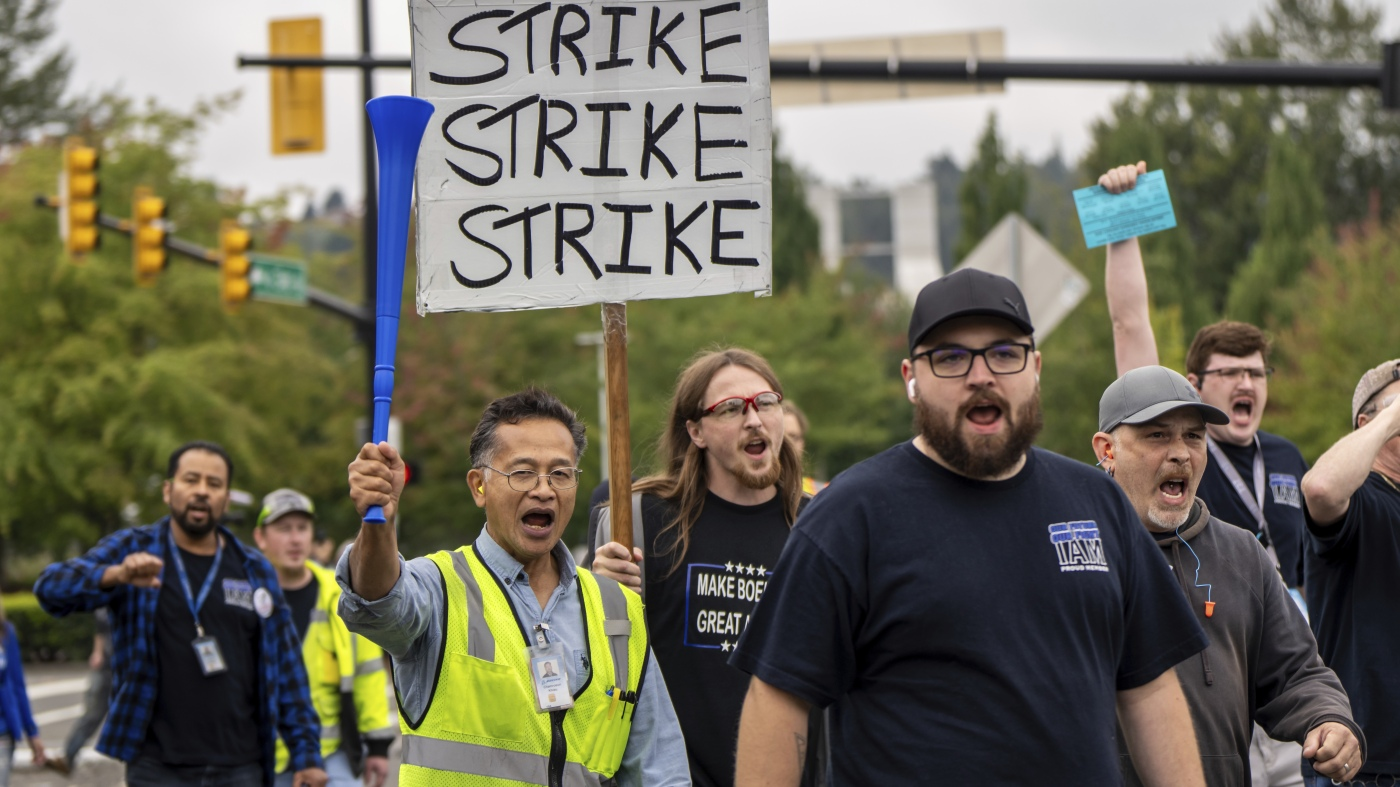
 

Boeing Machinists Set to Vote on New Proposal with 35% Raises to Potentially End Strike

Boeing and its machinists’ union have reached a new contract proposal that could bring an end to the month-long strike that has impacted the company’s aircraft production. The union, the International Association of Machinists and Aerospace Workers District 751, announced on Saturday that the vote on the new deal is scheduled for Wednesday.

The proposed agreement includes a significant 35% wage increase over the next four years, a $7,000 signing bonus, guaranteed annual bonus payouts, and improved 401(k) contributions. These terms represent a more favorable offer compared to Boeing’s previous proposal.

This breakthrough came after Acting U.S. Secretary of Labor Julie Su facilitated discussions between both parties earlier in the week. The union stated, “With the help of Acting U.S. Secretary of Labor Julie Su, we have received a negotiated proposal and resolution to end the strike, and it warrants presenting to the members and is worthy of your consideration.”

The White House also commented on the negotiations, with a spokesperson stating, “President Biden believes the collective bargaining process is the best way to achieve good outcomes for workers, and the ultimate decision on a contract will be for the union workers to decide.”

The strike, which began on September 13, followed the overwhelming rejection of an earlier contract offer that included a 25% wage increase over four years. Boeing later offered an improved deal, but it was criticized by the union for not being properly negotiated.

In a statement, Boeing expressed optimism, saying, “We look forward to our employees voting on the negotiated proposal.”

The strike has added to Boeing’s challenges, as the company is struggling to control costs amidst safety concerns, including a near-catastrophic incident involving the door plug on one of its 737 Max jets earlier this year. Boeing has also faced difficulties with its other programs, leading to a projected loss and charges of around $5 billion in its commercial and defense units.

This new proposal, if ratified, would mark a win for Boeing’s new CEO, Kelly Ortberg, who took over in August and has been tasked with turning around the company. Ortberg has already announced significant changes, including a 10% workforce reduction and plans to cease production of the 767 aircraft by 2027 once current orders are fulfilled.