Yazılar

Microsoft to Integrate Elon Musk’s xAI Models Into Azure Cloud Platform

Microsoft Expands Azure AI Marketplace With Elon Musk’s Grok 3 Models

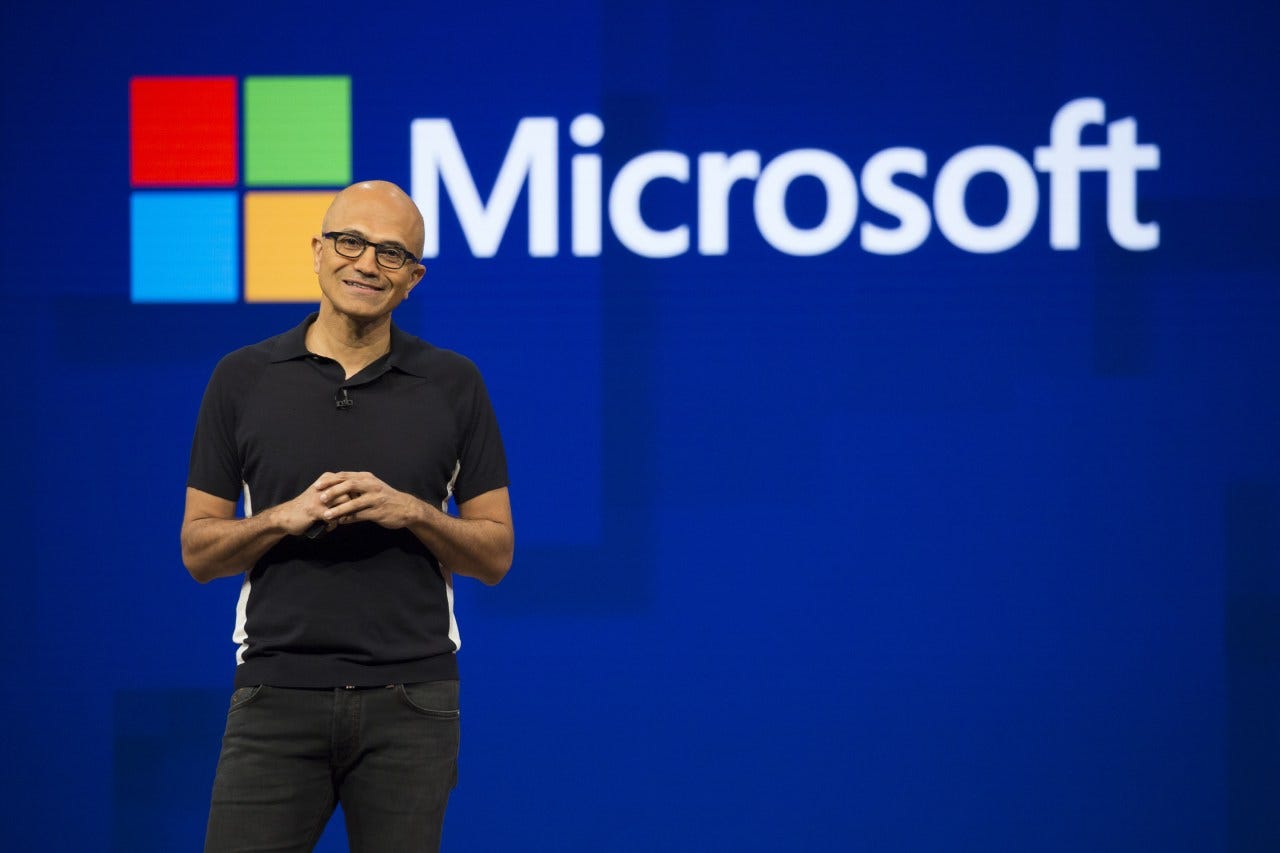
Microsoft is bringing Elon Musk’s xAI models to its Azure cloud platform, expanding its artificial intelligence (AI) model marketplace with new capabilities. The company confirmed that Grok 3, the latest AI model developed by xAI and launched earlier this year, will be available to Azure customers. This addition is part of Microsoft’s broader effort to cement Azure as a leading platform for deploying and managing cutting-edge AI applications.

The tech giant is competing with other major cloud service providers like Amazon Web Services (AWS) and Google Cloud to become the primary destination for AI development. As the demand for diverse and powerful AI models grows, so does the competition among cloud providers to host them. With Grok 3 joining Azure’s marketplace, Microsoft now offers access to over 1,900 models, including those from OpenAI, Meta, and DeepSeek. However, notable absences remain, such as models from Google and the fast-rising startup Anthropic.

Microsoft also made a series of AI-focused announcements during the opening of Build 2025, its annual developer conference. Many of the updates highlighted the company’s efforts to enhance agent-based AI systems—intelligent tools designed to act on a user’s behalf. A key focus was on integrating industry standards like Anthropic’s Model Context Protocol (MCP), which helps AI agents interface more effectively with digital content and applications. Microsoft confirmed that Windows and other products will adopt MCP, ensuring broader compatibility with future AI tools.

In support of this initiative, Microsoft and its GitHub subsidiary have also joined the MCP steering committee, further reinforcing their commitment to open AI collaboration and interoperability. “In order for agents to be as useful as they could be, they need to be able to talk to everything in the world,” said Kevin Scott, Microsoft’s Chief Technology Officer, emphasizing the importance of cross-platform communication and AI accessibility in the future of computing.
AI Labs Wage Bidding War for Elite Researchers as Talent Becomes Key Battleground

The race to lead the artificial intelligence revolution is no longer just about compute power or datasets — it’s now centered on securing a small pool of elite AI researchers who can make or break the next generation of AI models. Companies like OpenAI, Google DeepMind, and Elon Musk’s xAI are aggressively courting this highly specialized talent, offering compensation packages in the tens of millions of dollars, luxury perks, and personal outreach from tech luminaries.

The explosive growth of generative AI following the 2022 release of ChatGPT has pushed the battle for talent to unprecedented levels, with some researchers receiving “professional athlete-style” incentives, including private jets, multimillion-dollar bonuses, and equity grants of over $20 million.

“The AI labs approach hiring like a game of chess,” said Ariel Herbert-Voss, a former OpenAI researcher. “They are like, do I have enough rooks? Enough knights?”

Elite Talent, Outsized Impact

Known internally as “ICs” (individual contributors), these researchers are seen as 10,000x engineers — a reference to the idea that in AI, the very best aren’t just 10 times better than average but can be 10,000 times more impactful, due to the leverage their innovations bring to large-scale model performance.

While the exact number of such talent is debated, industry insiders estimate there are only a few dozen to a thousand globally. With such scarcity, top labs are deploying every tool available to secure and retain them.

Top Offers and Retention Battles

  • OpenAI researchers have reportedly been offered retention bonuses of up to $2 million, plus equity increases exceeding $20 million, just to stay for one more year.

  • Google DeepMind has offered top researchers $20 million per year, while reducing vesting schedules on stock options to just 3 years, down from the typical 4.

  • Eleven Labs and SSI (founded by former OpenAI chief scientist Ilya Sutskever) have made competitive offers to lure away OpenAI talent, prompting preemptive counteroffers.

The bidding war has gotten so intense that OpenAI CEO Sam Altman famously tweeted in 2023 about the need for “10,000x researchers,” acknowledging their disproportionate value.

“It was actually financially not the best option that I had,” said Noam Brown, an OpenAI researcher recruited by several top labs, explaining that research resources and alignment with goals were more important to him than pure compensation.

Rising Stars and Strategic Hiring

To identify and cultivate new talent, data firms like Zeki Data have started using sports-style recruitment analytics, akin to the “Moneyball” approach, to discover undervalued researchers. Some companies, like Anthropic, have been recruiting heavily from theoretical physics and quantum computing backgrounds.

Meanwhile, Mira Murati, OpenAI’s former CTO, has poached over 20 employees for her still-stealth-mode startup, which is reportedly closing a record-breaking seed round based solely on its team strength.

The Bigger Picture

This frenzied battle for researchers is reshaping the AI landscape in Silicon Valley and beyond. With venture capital surging into early-stage AI startups — sometimes before they even launch a product — and top labs competing over a few hundred minds, the next major AI breakthrough may hinge less on hardware or scale and more on who can assemble the right intellectual firepower.

Tesla to Launch Robotaxi Trial in Austin by End of June, Says Elon Musk

Tesla is preparing to begin its much-anticipated robotaxi pilot program in Austin, Texas, by the end of June, CEO Elon Musk confirmed in an interview with CNBC. The trial marks a significant milestone for the electric carmaker’s shift toward autonomous driving and AI-driven products.

Initially, Tesla plans to deploy about 10 self-driving vehicles in select “safest” parts of Austin, with the goal of scaling up to approximately 1,000 cars over the following months. The launch comes at a critical time for Tesla, as global sales have slowed amid growing EV competition and mounting scrutiny of Musk’s political affiliations and side ventures.

Musk emphasized that Tesla’s long-term future hinges on autonomy and its humanoid robot project, Optimus. “The only things that matter in the long term are autonomy and Optimus,” he stated, underlining the strategic pivot away from building a low-cost EV platform.

The robotaxi launch will face close examination from the U.S. National Highway Traffic Safety Administration (NHTSA), which is currently investigating incidents involving Tesla’s Full Self-Driving (FSD) software, particularly in low-visibility conditions. The regulator recently asked Tesla to detail how its robotaxis will operate in adverse weather.

Meanwhile, Musk revealed that Tesla is in licensing discussions with major automakers interested in using its FSD software — a potential revenue stream that could help commercialize the robotaxi platform faster.

Beyond Tesla, Musk’s AI startup xAI is also making headlines. The company is expanding a massive supercomputer cluster named “Colossus” in Memphis, Tennessee, which will feature one million of Nvidia’s Blackwell chips — part of a broader plan to train advanced AI models. xAI recently acquired a 1-million-square-foot property in Memphis to support the buildout.

While a merger between Tesla and xAI is not currently planned, Musk did not rule it out entirely, stating it would require shareholder approval if it were to move forward.