Yazılar

xAI Introduces Grok API for Developers, Now Featuring Image Generation Capabilities

xAI, the artificial intelligence company led by Elon Musk, has launched a new application programming interface (API) that introduces image generation capabilities for developers. This new addition marks a significant step for xAI, as it is the first developer tool from the company to support image creation. The release of this API is part of xAI’s ongoing focus on empowering developers, with a total of five APIs launched since the company debuted its first one in November 2024. While the pricing for the API is on the higher side, it offers developers the ability to generate images based on text prompts, although customization of the output is not yet available.

Before this launch, xAI provided developers with four AI models via API, all based on its Grok large language model (LLM) family. Two of these models were based on the original Grok LLM, and the other two were based on Grok 2. Although image understanding was part of the offerings, there was no functionality for generating images directly from the API. This limitation was likely due to the fact that xAI had been outsourcing the image generation feature to Black Forest Labs, an AI startup that previously handled the image creation on Grok’s chat platform.

However, in December, xAI unveiled Aurora, an image generation model built using a mixture of experts (MoE) network, signaling a shift in how the company would handle image creation moving forward. With the new Grok API, developers now have access to the grok-2-image-1212 model, which integrates this new image generation capability. The process is fairly simple—developers send a text prompt, which the chat model revises for clarity. The adjusted prompt is then forwarded to the image generation model, and the output is produced accordingly.

Currently, the API allows developers to generate up to 10 images per request, with a cap of five requests per second. Any attempts to exceed this limit will result in an error message. The generated images are provided in JPEG format, and the cost for each image is reportedly set at $0.07 (approximately Rs. 6). This development marks an exciting new chapter for xAI and its suite of developer tools, opening up new possibilities for integrating AI-generated images into various applications.
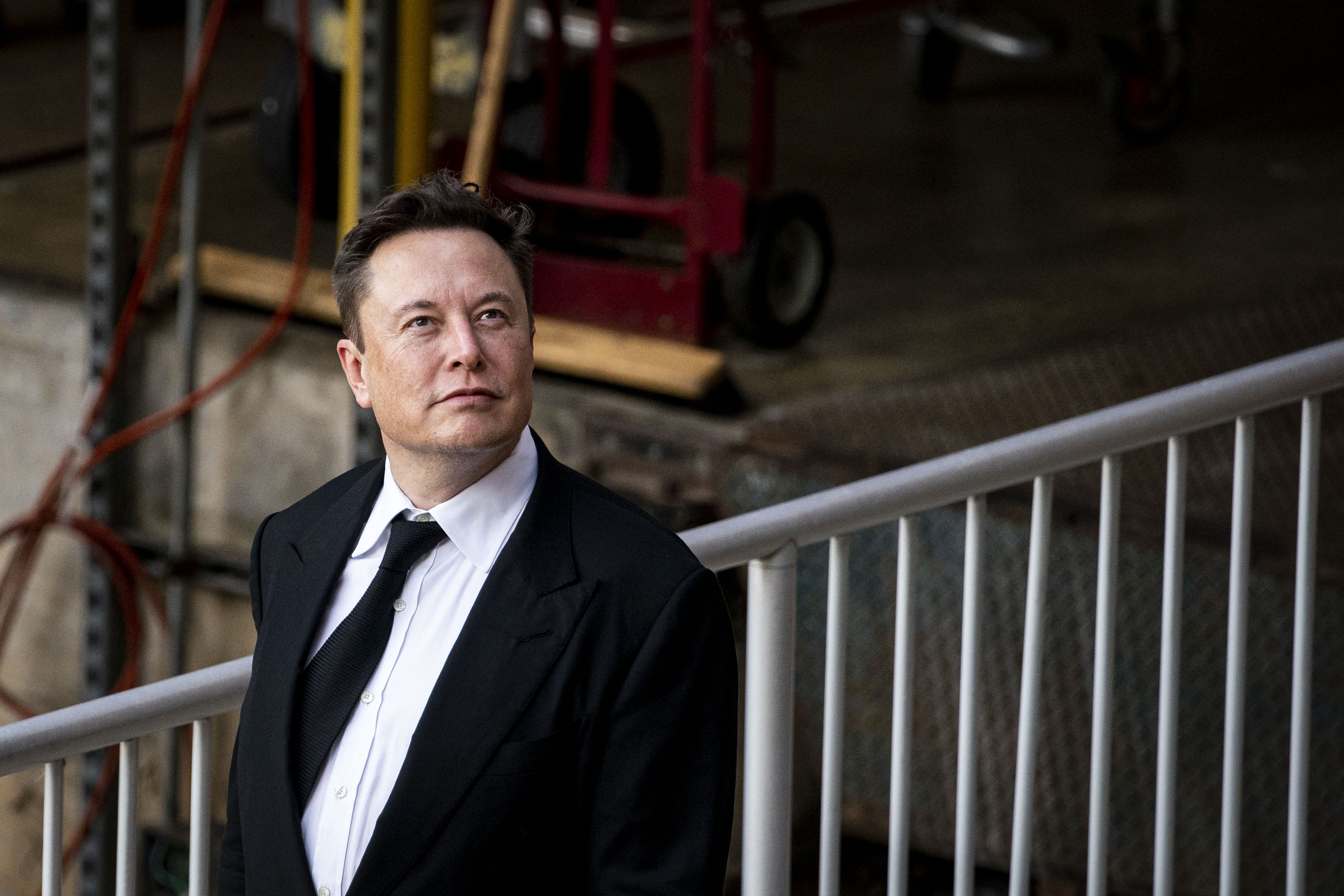
Judge Rejects Musk’s Bid to Halt OpenAI’s For-Profit Shift, Fast-Tracks Trial

A U.S. judge has denied Elon Musk’s request for a preliminary injunction to pause OpenAI’s transition to a for-profit model. However, U.S. District Judge Yvonne Gonzalez Rogers in Oakland, California, fast-tracked the case, scheduling a trial for the fall of this year. Musk, the co-founder of OpenAI, has been in a year-long legal dispute with the organization, accusing it of abandoning its original mission to develop artificial intelligence for the public good.

The judge determined that Musk did not meet the high legal threshold necessary to block OpenAI’s shift to a for-profit model. However, she emphasized the importance of resolving the case swiftly due to the potential public interest and harm if the transition were deemed unlawful. OpenAI’s leaders, including CEO Sam Altman, have denied Musk’s claims, arguing that the for-profit move is essential for raising capital and staying competitive in the high-stakes AI sector.

Musk’s legal team expressed satisfaction with the judge’s decision to fast-track the trial, which they argue will clarify whether Altman knowingly accepted Musk’s charitable contributions under the assumption they would be used for public benefit. OpenAI, which is backed by Microsoft, has framed the lawsuit as a competition-related dispute, as Musk launched a rival AI company, xAI, in 2023.

The ruling follows Musk’s failed attempt to acquire OpenAI, which rejected his $97.4 billion buyout offer. OpenAI’s valuation has also seen significant growth, with reports indicating that SoftBank is considering a funding round that could value the company at $300 billion, far surpassing the valuation of Musk’s xAI, which has been reported at $75 billion.

Elon Musk-Led Group Makes $97 Billion Bid for Control of OpenAI

Elon Musk and a consortium of investors have presented a $97.4 billion offer to acquire OpenAI’s nonprofit parent company, escalating tensions with OpenAI CEO Sam Altman. Musk’s bid comes as part of his ongoing efforts to prevent OpenAI from transitioning into a for-profit entity, which it claims is necessary to secure sufficient funding for advanced AI model development.

Background:

Musk co-founded OpenAI in 2015 alongside Altman, initially as a nonprofit organization. However, Musk departed from the company before it gained significant traction and later established a rival AI venture, xAI, in 2023. Recently, OpenAI has been working to convert into a for-profit company to attract the capital needed to remain competitive in the AI space.

Musk, known for his leadership at Tesla and his ownership of X (formerly Twitter), has strongly opposed this shift, arguing that it prioritizes profits over the public good. In a lawsuit filed in August 2023, Musk claimed that OpenAI’s move toward a for-profit model violated its original mission to develop AI for the benefit of humanity. He has since attempted to block this transition in court.

Musk’s Offer:

Musk’s $97.4 billion bid is designed to challenge OpenAI’s current direction and potentially block its move to for-profit status. His consortium includes his own startup xAI, Baron Capital Group, Emanuel Capital, and others. A merger between xAI and OpenAI has also been suggested as part of the deal.

While the offer has made headlines, OpenAI’s board, along with CEO Sam Altman, has firmly rejected the proposal. Altman communicated to staff that OpenAI is not for sale and has no interest in Musk’s bid, emphasizing that the company intends to proceed with its transition into a for-profit entity.

Financial Implications:

OpenAI was valued at $157 billion in its last funding round, cementing its position as one of the most valuable private companies globally. SoftBank is reportedly in talks to lead a funding round that could value OpenAI at $300 billion, including new capital. However, Musk’s offer, backed by prominent investors, adds complexity to OpenAI’s fundraising efforts and the conversion process.

Musk’s wealth, primarily tied to Tesla and SpaceX, could provide the financial backing for the deal, though it may require him to liquidate part of his holdings or take out loans against his assets.

Legal and Corporate Governance Concerns:

Jonathan Macey, a corporate governance expert, expressed concern that the bid could complicate OpenAI’s nonprofit status. OpenAI’s board is tasked with ensuring the company’s mission remains intact, and they may be legally obligated to consider Musk’s bid if it’s deemed to be in the best interest of the organization.

Analysts, including Gil Luria from D.A. Davidson, suggested that Musk’s offer could disrupt OpenAI’s current fundraising strategy and call into question any existing offers, such as the potential investment from SoftBank.