Yazılar

Apple, Samsung Smartphone Shipments Decline Amid Rising Chinese Competition: IDC Report

Global smartphone shipments for Apple and Samsung declined in the fourth quarter of 2024 as Chinese manufacturers, including Xiaomi, Oppo, and Honor, intensified competition, according to preliminary data from the International Data Corporation (IDC).

The global smartphone market has rebounded after two years of decline, driven by the aggressive expansion of Chinese brands into low-end devices and their dominant focus on the domestic market. Chinese companies shipped 56% of global smartphones in the fourth quarter, marking their highest combined volume ever in a single quarter.

Apple and Samsung See Shipment Declines

Apple’s shipments fell by 4.1% to 76.9 million units, while Samsung’s declined by 2.7% to 51.7 million units during the same period. Despite the downturn, Apple maintained its position as the top global smartphone brand for 2024 with an 18.7% market share, followed closely by Samsung at 18%.

Meanwhile, Xiaomi, which held 13.6% of the market, showed the fastest growth among the top five smartphone brands, with a 15.4% increase in shipments. In contrast, Apple’s total shipments for the year dropped by 0.9%, and Samsung’s fell by 1.4%.

Chinese Manufacturers Drive Market Growth

Chinese smartphone makers leveraged their competitive edge in low-end and mid-range devices to expand their market presence, particularly in Europe and Africa. Their focus on affordability and value for money has resonated with consumers, allowing them to achieve record-high shipments in the fourth quarter.

Nabila Popal, senior research director for worldwide client devices at IDC, expressed optimism for continued growth in 2025. However, she also highlighted industry uncertainties due to the possibility of new tariffs from the incoming U.S. administration.

Foldable Smartphone Market Struggles

Despite growth in several regions, demand for foldable smartphones has been underwhelming. IDC research director Anthony Scarsella noted that even with heavy promotions and marketing, consumer interest in foldables has remained flat. As a result, smartphone makers are reallocating research and development budgets away from foldable devices.

The evolving landscape of the global smartphone market underscores the increasing influence of Chinese brands and the shifting consumer demand for innovative yet cost-effective options.
 

Apple Loses Smartphone Sales Crown in China, Drops to Third in 2024

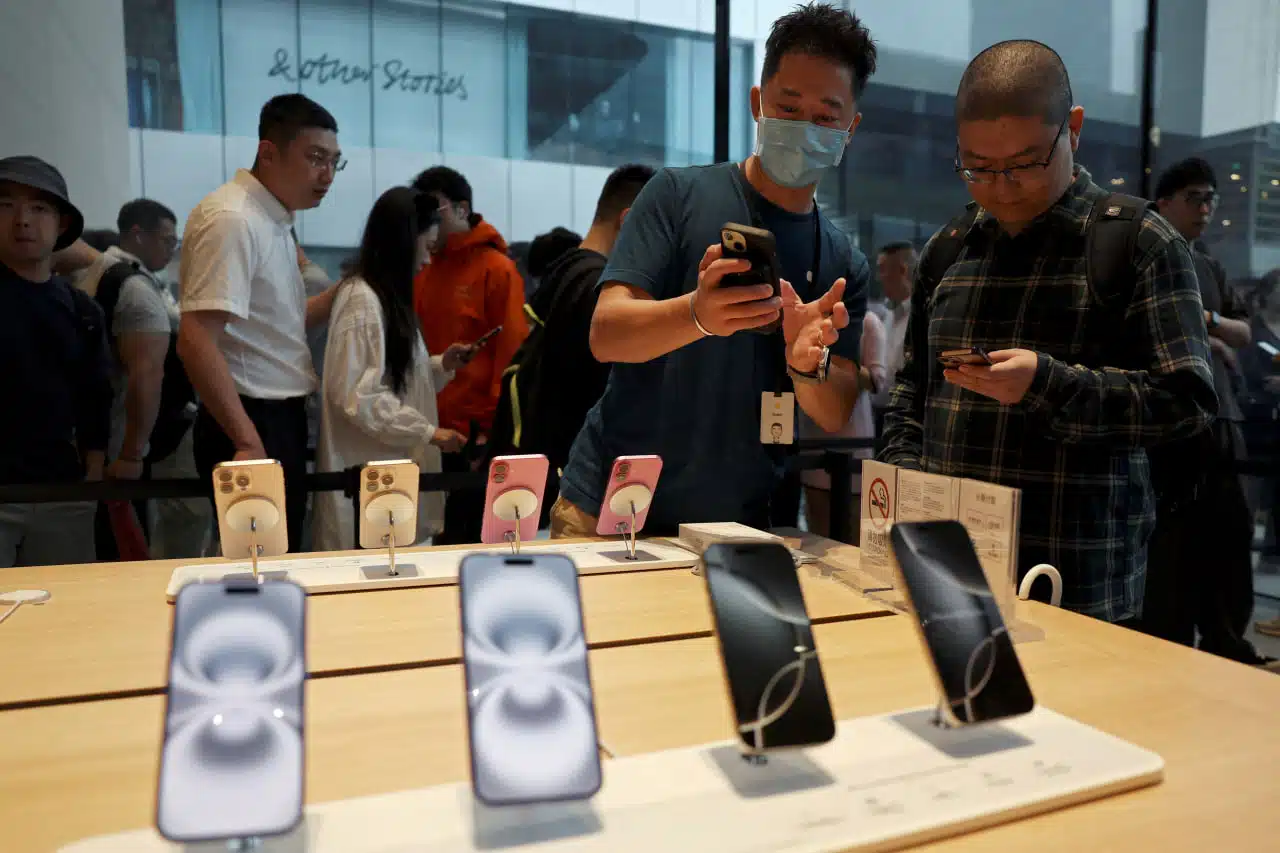
Apple has lost its position as China’s top smartphone seller in 2024, with local competitors Vivo and Huawei surpassing the tech giant. According to data from research firm Canalys, Apple’s annual smartphone shipments in China declined by 17%, marking its largest drop since 2016.

Vivo, the budget smartphone maker, secured 17% of the market share, while Huawei, with its premium offerings, held 16%, and Apple dropped to third with 15%. This marks a significant shift in market dynamics, as domestic manufacturers gain strength in one of Apple’s largest global markets.

Apple’s decline is attributed to various factors, including the lack of artificial intelligence capabilities in its latest iPhones, which has hurt its competitiveness in China, where services like ChatGPT are unavailable. Canalys analyst Toby Zhu commented that Apple’s premium market position faces multiple challenges, such as Huawei’s resurgence in the flagship segment, the rise of domestic foldable phones in high-price segments, and Android brands like Xiaomi and Vivo building consumer loyalty through technological innovations.

Despite previously experiencing four years of growth following U.S. sanctions on Huawei in 2019, which restricted the company’s access to American technology, Apple now faces a strong challenge from Huawei. The Chinese company has seen a resurgence, with a 24% rise in shipments during the fourth quarter of 2024 after launching new phones with locally-made chipsets.

To combat the decline, Apple resorted to offering discounts. In early January, Apple launched a four-day promotion in China, offering price cuts of up to 500 yuan ($68.50) on iPhone 16 models through official channels. Major Chinese e-commerce platforms followed suit, with Alibaba’s Tmall marketplace offering discounts up to 1,000 yuan ($137) on the latest iPhone 16 series devices.

Among the top five smartphone vendors, Xiaomi posted the strongest growth, with a 29% increase in shipments in the fourth quarter, while Oppo and Vivo saw increases of 18% and 14%, respectively. Overall, smartphone shipments in China rose by 4% year-on-year to 285 million units in 2024.


Redmi 14C 5G Price and Chipset Specifications Leaked Ahead of Indian Launch

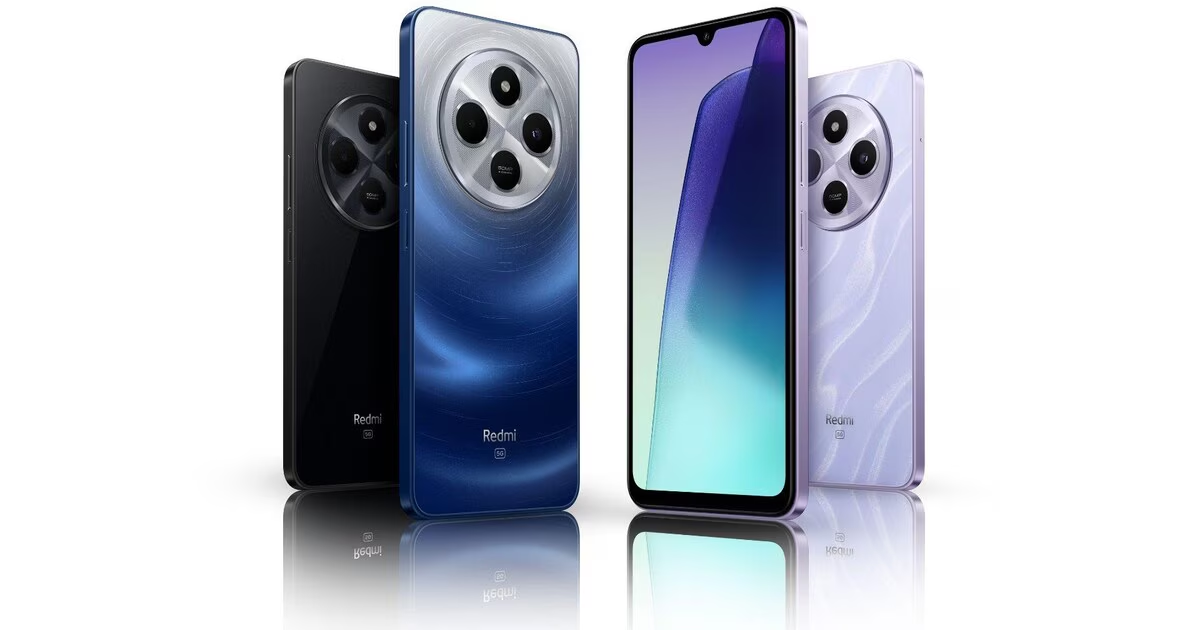
The highly anticipated Redmi 14C 5G is set to launch in India on January 6, and ahead of its debut, several details about the phone have surfaced. Leaked information reveals much about the phone’s design, color options, and display features. There are also growing indications that the Redmi 14C 5G will be a rebranded version of the Redmi 14R 5G, which was originally unveiled in China in September 2024. As the launch draws nearer, additional specifications and pricing information have started to emerge, giving prospective buyers a clearer picture of what to expect.

According to tipster Abhishek Yadav, the price of the Redmi 14C 5G in India is expected to start at Rs. 13,999 for the 4GB RAM + 128GB storage variant. However, with the availability of bank offers or other promotional discounts, the price could drop to as low as Rs. 10,999 or Rs. 11,999, making the phone more accessible to a wider audience. This competitive pricing positions the Redmi 14C 5G as a strong contender in the budget 5G smartphone segment.

In terms of features, the Redmi 14C 5G is rumored to be powered by the Qualcomm Snapdragon 4 Gen 2 chipset, providing solid performance for everyday tasks and 5G connectivity. The phone is expected to be equipped with a large 5,160mAh battery, supported by 18W fast charging. These features make the Redmi 14C 5G an appealing option for users looking for long-lasting battery life and fast charging capabilities in an affordable package.

The phone’s design is another highlight, with official teasers revealing a sleek, modern look. The Redmi 14C 5G is set to feature a dual rear camera setup, including an AI-backed 50-megapixel primary camera that promises sharp and detailed photography. This camera system is likely to appeal to users who prioritize camera quality in budget smartphones. With its combination of performance, battery life, and camera capabilities, the Redmi 14C 5G is shaping up to be an attractive option for Indian consumers in the coming months.