Record Low Inflation Expectations Amidst Mixed Economic Signals

In July, consumer confidence regarding inflation showed a significant shift, as the New York Federal Reserve’s monthly Survey of Consumer Expectations reported a record low in the three-year inflation outlook. According to the survey, consumers now anticipate inflation to fall to 2.3% within the next three years, marking a substantial decrease of 0.6 percentage points from June and setting the lowest expectation since the survey’s inception in June 2013.

This dip in long-term inflation expectations comes despite consumers foreseeing continued elevated inflation in the short term. The survey’s results indicate that while inflation is expected to remain higher over the next year, it is projected to recede over the following years, easing concerns about persistent high inflation.

The improved three-year outlook is a critical factor for both policymakers and investors, who closely monitor inflation expectations to gauge future economic conditions. These expectations influence consumer and business behaviors, which in turn can affect actual inflation outcomes. The Federal Reserve, which has been aggressive in its rate-hiking cycle to combat inflation, may find these results encouraging as it considers its next steps. The market has already priced in the possibility of at least a quarter-point rate cut in September, with some anticipating a full percentage point reduction by year-end.

However, while the medium-term outlook is more optimistic, expectations for inflation over the next one and five years remain unchanged at 3% and 2.8%, respectively. This suggests that while consumers are hopeful for a decline in inflation, they are still cautious about the immediate future.

There was further positive news in the survey regarding specific consumer goods. Expectations for the increase in gas prices over the next year dropped to 3.5%, down 0.8 percentage points from June, while the expected rise in food prices also edged down slightly to 4.7%. Additionally, household spending growth expectations fell to 4.9%, the lowest level since April 2021, indicating a potential cooling of demand pressures that have contributed to inflation.

Conversely, the survey highlighted concerns in other areas. Expectations for cost increases in medical care, college education, and rent have all risen. Notably, the anticipated increase in college costs jumped by 1.9 percentage points to 7.2%, while rent, a key component of the inflation basket, is expected to rise by 7.1%, up 0.6 percentage points from June. These rising costs in essential sectors could complicate the overall inflation picture and pose challenges for the Federal Reserve’s efforts to bring inflation down to its 2% target.

Employment expectations also reflected a mixed economic sentiment. Despite a rise in the unemployment rate, consumers felt more secure in their jobs, with the perceived probability of losing one’s job falling to 14.3%, a slight improvement. Furthermore, the expectation of voluntarily leaving a job, often seen as a sign of confidence in the labor market, increased to 20.7%, the highest since February 2023.

Overall, while the record low in the three-year inflation outlook is a positive sign, the mixed signals from other economic indicators suggest that the path to stable, low inflation may still face significant hurdles.


 

U.S. Bolsters Military Presence in the Middle East Amid Rising Tensions with Iran

The United States is escalating its military presence in the Middle East in response to growing concerns about potential Iranian retaliation against Israel. The Pentagon announced that additional troops and military hardware, including a guided-missile submarine and a carrier strike group equipped with F-35C fighter jets, are being deployed to the region. This move is part of a broader effort to reinforce U.S. military capabilities and provide robust support to Israel amid escalating regional tensions.

In a statement released by Pentagon Press Secretary Maj. Gen. Pat Ryder, U.S. Defense Secretary Lloyd Austin emphasized the United States’ unwavering commitment to “take every possible step to defend Israel.” The announcement followed a conversation between Austin and Israel’s Defense Minister Yoav Gallant, underscoring the urgency of the situation.

This development comes in the wake of the assassination of Ismail Haniyeh, the former political leader of Hamas, in Tehran on July 31. Iran, which has long supported Hamas, has accused Israel of carrying out the attack. While Israel has not officially commented on the incident, the killing has significantly heightened tensions between the two nations. Although Tehran has yet to retaliate militarily, the possibility of a severe response looms, keeping the entire region on edge.

The Biden administration’s support for Israel has sparked criticism domestically, with some urging the U.S. to leverage its influence to enforce a cease-fire rather than continue supplying arms to Israel. President Biden has expressed concerns about the Israeli military offensive, describing it as “over the top” and highlighting the high civilian death toll. This issue has become a significant factor in U.S. politics, influencing voter sentiment as the 2024 presidential election approaches.

The situation remains precarious, with fears that any further escalation could lead to an all-out war involving Iran, Israel, and their respective allies and proxies, including Hezbollah. While both Israel and Iran have engaged in limited exchanges of missile strikes in the past, these actions were largely calibrated to avoid extensive damage and casualties. However, analysts warn that future retaliations could be far more devastating.

The ongoing conflict has already resulted in significant casualties and destruction. The Hamas-led attack on Israel on October 7 claimed the lives of approximately 1,200 people and resulted in over 250 hostages, of whom 116 have been freed. Israel’s subsequent military response in Gaza has been even more devastating, with local health authorities reporting over 39,000 deaths and the destruction of half the buildings in the Gaza Strip, according to the U.N.

The assassination of Haniyeh, who was involved in cease-fire negotiations, raises doubts about the prospects for a diplomatic resolution to the conflict. Yahya Sinwar, the new leader of Hamas with close ties to Iran, is perceived as more extreme and less inclined to pursue a cease-fire, further complicating efforts to de-escalate the situation.


Elon Musk to Interview Donald Trump on X: A New Twist in the U.S. Presidential Election

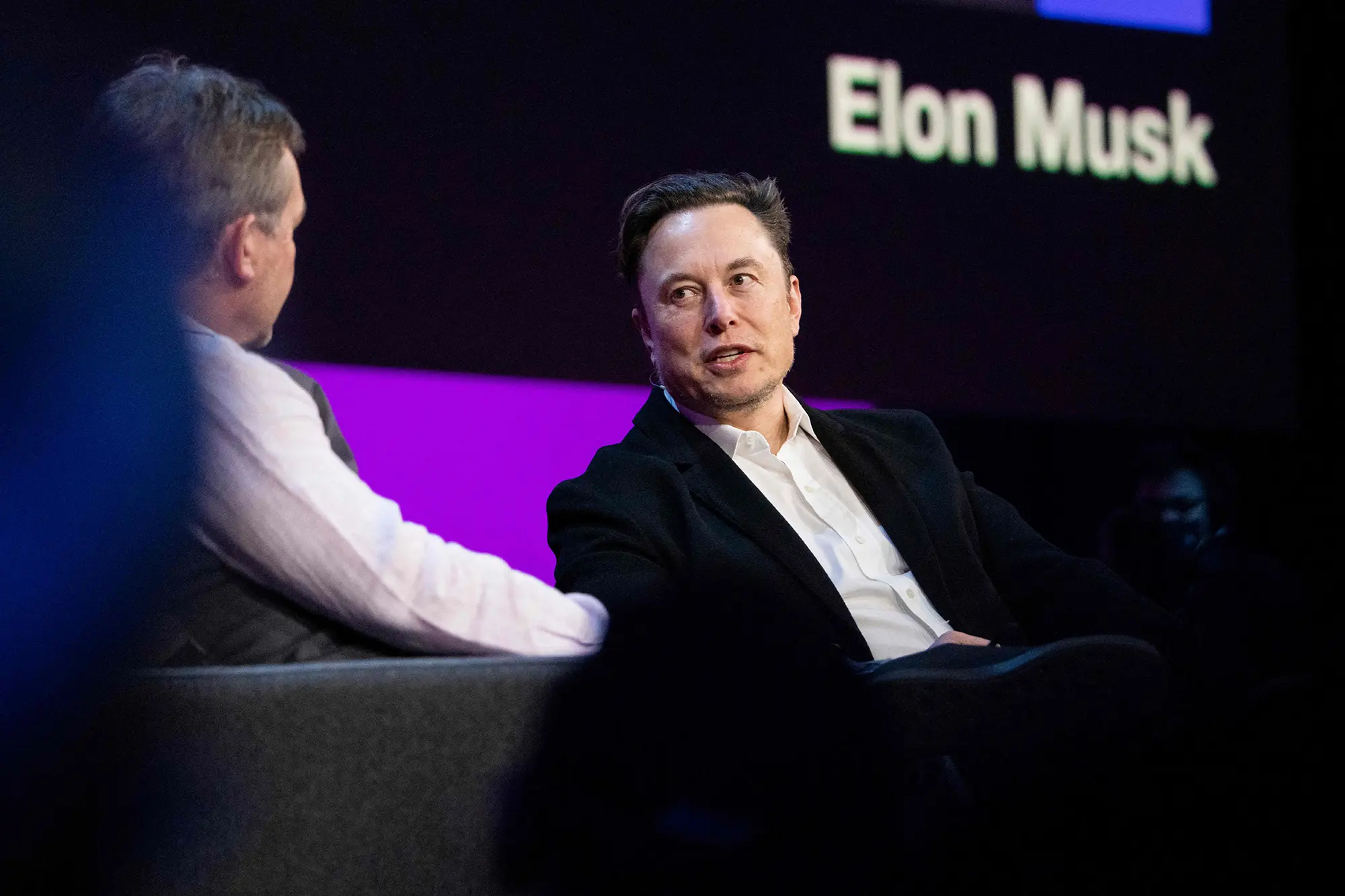
Elon Musk, the billionaire entrepreneur and owner of the social media platform X, is set to interview former President Donald Trump, the Republican candidate for the 2024 U.S. presidential election, in an event scheduled for Monday at 8 p.m. Eastern Time. This high-profile interview, which will be broadcast on X, is expected to draw significant attention as Trump seeks to rejuvenate his campaign amidst declining poll numbers.

The timing of this interview is crucial for Trump, whose campaign has struggled to maintain momentum against his Democratic opponent, Vice President Kamala Harris. Harris has recently closed the gap in the polls and has energized her base with a series of dynamic rallies. For Trump, this interview represents an opportunity to reach a broader audience beyond his usual conservative base, who typically tune in to his appearances on Fox News and attend his rallies. However, X has experienced technical issues in the past during similar high-traffic events, raising concerns about the platform’s ability to handle the anticipated viewership.

Musk’s involvement in the interview adds an intriguing dimension, given his evolving political stance. Although he supported President Joe Biden in the 2020 election, Musk has since shifted rightward and publicly endorsed Trump after an attempted assassination attempt against the former president. Musk, who also leads Tesla, has even established a political action committee to support Trump’s campaign, which is currently under investigation in Michigan for potential violations of voter information laws.

Trump, who has historically been critical of electric vehicles, has notably softened his stance following Musk’s endorsement. At a rally in early August, Trump stated, “I’m for electric cars. I have to be, because Elon endorsed me very strongly. So I have no choice.” This shift highlights the complex and sometimes contradictory alliances forming in the lead-up to the November 2024 election.

The interview will also mark Trump’s return to X, formerly known as Twitter, after his account was reinstated under Musk’s ownership. Trump’s access to the platform was previously suspended following the January 6, 2021, Capitol riot. On Monday morning, Trump posted on X for the first time in a year, sharing an advertisement that emphasized his belief that the criminal charges he faces are politically motivated.

Musk’s stewardship of X has been marked by controversy, particularly regarding content moderation. Since acquiring the platform in 2022, Musk has reduced moderation efforts, leading to a reported increase in hate speech and driving away advertisers. His endorsement of an antisemitic post and subsequent criticism of the Anti-Defamation League has further fueled these controversies.

As the interview approaches, both Trump and Musk are poised to draw considerable attention, not only for the content of their conversation but also for the broader implications it may have on the presidential race and the evolving media landscape.