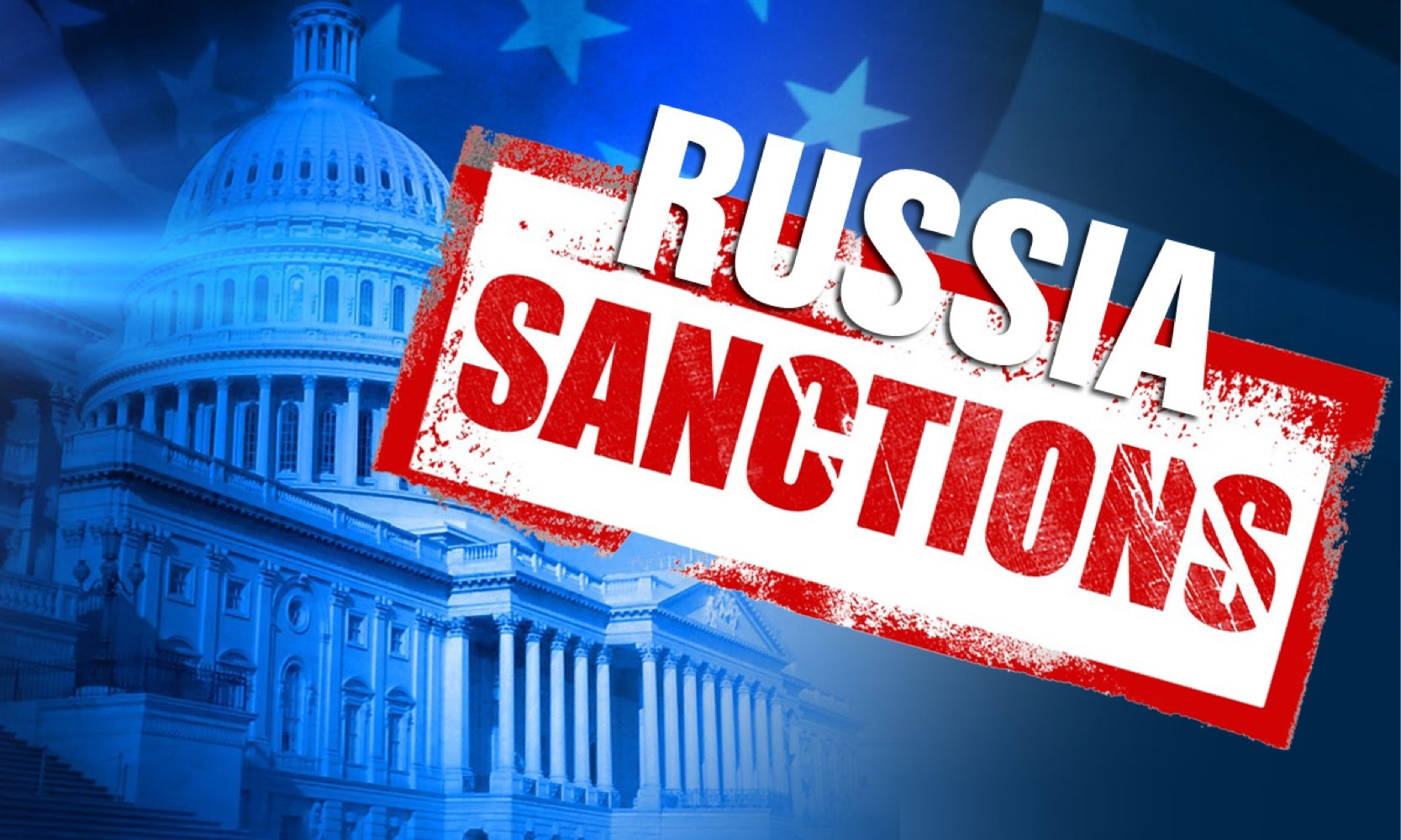
Russia’s Circumvention of Sanctions: Billions in Dollar and Euro Banknotes Flow Despite Western Restrictions

Despite the extensive sanctions imposed by the United States and the European Union following Russia’s invasion of Ukraine in 2022, approximately $2.3 billion in U.S. dollar and euro banknotes have been shipped to Russia, according to customs data. This substantial inflow of foreign currency, largely facilitated by countries such as the UAE and Turkey that have not restricted trade with Russia, underscores how Moscow has managed to navigate around the Western financial restrictions.

The data reveals that Russia, while publicly condemning the U.S. dollar and the euro as “toxic” due to sanctions, continues to rely heavily on these currencies for various transactions, including trade and travel. This dependence on foreign currency is evidenced by the significant demand among Russians for dollar and euro banknotes, especially for international trips and small imports. Despite the sanctions, Russia’s central bank has maintained tight controls on foreign currency outflows to support the weakening ruble, with only $98 million leaving the country between February 2022 and December 2023, compared to the billions flowing in.
Among the largest importers of this foreign cash is Aero-Trade, a company specializing in duty-free shopping services. The company declared around $1.5 billion in foreign currency imports during the sanctions period, with shipments processed through Moscow’s Domodedovo airport. However, the specific sources and recipients of this cash remain unclear, raising questions about the nature of these transactions.

Moreover, Russian banks have played a significant role in these cash imports, often using precious metals like gold and silver to facilitate these transactions. For instance, Vitabank, a Russian lender, imported $64.8 million in banknotes from Turkish gold trading firm Demas Kuyumculuk and exported almost equivalent amounts of gold and silver to the same company. These transactions highlight how Russia and its trading partners have adapted to the sanctions by relying on tangible assets such as precious metals to settle debts, circumventing traditional financial channels.

The data also indicates that entities connected to Rostec, a state-owned military-industrial conglomerate under U.S. sanctions, have been involved in importing significant amounts of foreign currency. However, the exact nature of these transactions remains opaque.

In summary, despite facing stringent financial sanctions, Russia has successfully continued to import billions in dollar and euro banknotes, with the help of international partners and by leveraging alternative assets like gold. This ongoing flow of foreign currency suggests that, while sanctions have disrupted Russia’s access to the global financial system, they have not entirely severed its ties to the international currency market.


Elon Musk’s Contradictory Stance: Supporting Trump While Lobbying for EV Subsidies

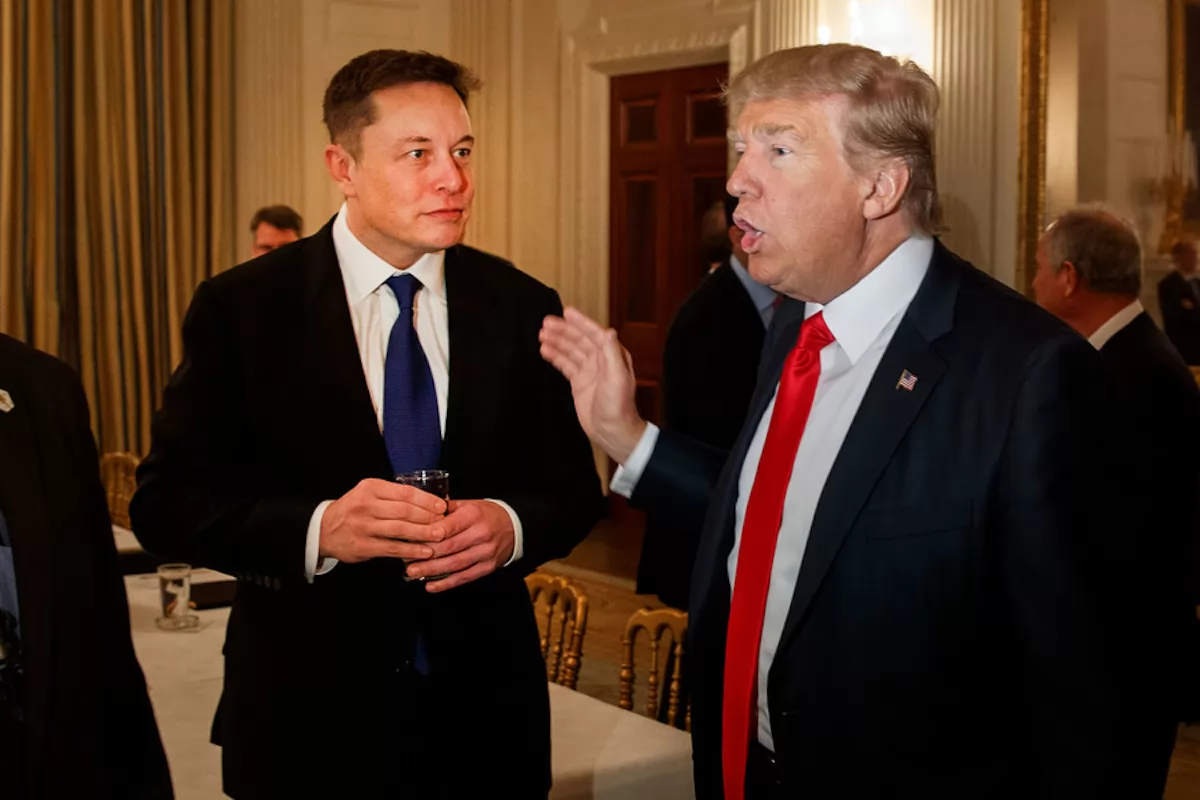
Elon Musk, the CEO of Tesla, has increasingly aligned himself with former President Donald Trump, endorsing his candidacy and embracing some of his political rhetoric. However, this alignment contrasts sharply with the ongoing efforts by Tesla to secure government benefits, particularly those associated with the Democratic Party’s environmental policies. Despite Musk’s public endorsement of Trump, who has vowed to “end the electric vehicle mandate” and reduce subsidies, Tesla continues to lobby for regulations and benefits that have been instrumental in its success as a leading electric vehicle manufacturer.

Tesla’s reliance on government support has been crucial to its rapid growth. From a $465 million loan from the U.S. Department of Energy that helped establish its first major manufacturing facility to the nearly $9 billion earned since 2018 through the sale of regulatory credits, Tesla’s financial success is deeply intertwined with government policies designed to promote cleaner energy. These credits, awarded for surpassing emissions standards, have been a significant revenue stream for Tesla, as they can be sold to other automakers that fail to meet these standards.

Musk’s support for Trump raises questions about his motivations, especially given that the former president’s policies often contradict the interests of the electric vehicle industry. Critics argue that Musk’s stance is a pragmatic one, driven by a willingness to accept public money if available, even if it conflicts with his broader ideological beliefs. This approach is evident in Tesla’s continued lobbying efforts, which have included advocating for stricter emissions regulations and the phaseout of gasoline-powered vehicles—policies that are at odds with Trump’s views.

The dissonance between Musk’s public statements and Tesla’s lobbying activities has drawn scrutiny. While Musk has criticized subsidies and expressed support for free markets, Tesla has continued to benefit from government incentives. This contradiction extends to other areas as well, including Musk’s shifting views on climate change and identity politics, where he has distanced himself from progressive platforms while Tesla maintains a corporate stance that aligns with those values.

Ultimately, Musk’s actions suggest a complex balancing act between his personal beliefs, business interests, and long-term ambitions. As Tesla continues to shape public policy in favor of electric vehicles and clean energy, Musk’s relationship with Trump and the Republican Party remains a point of tension, highlighting the challenges of navigating the intersection of business and politics in a rapidly changing world.


Honor 200 5G, Honor 200 Pro 5G With 50-Megapixel Telephoto Cameras Launched in India: Price, Specifications.

Honor 200 5G and Honor 200 Pro 5G Run on Android 14-Based MagicOS 8.0 Out-of-the-Box. Devamını Oku