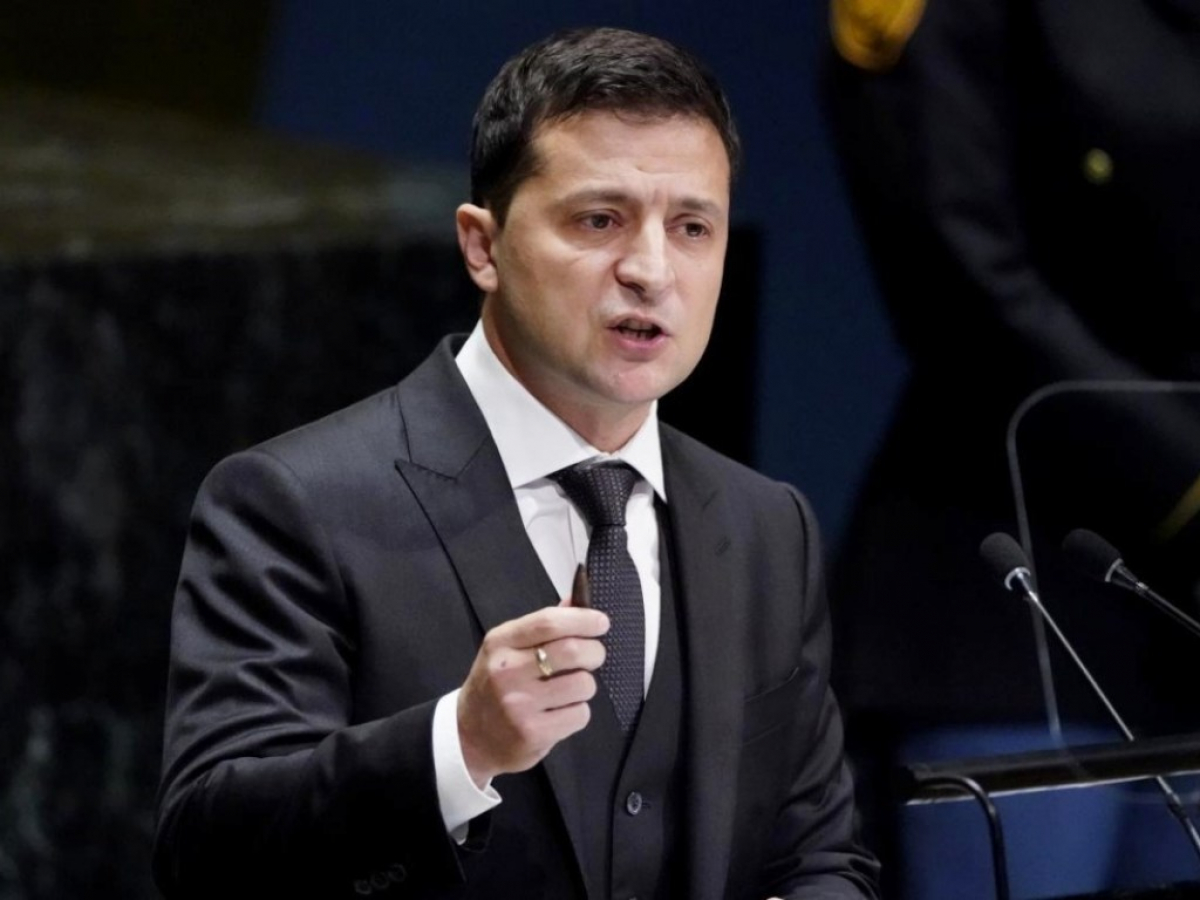
Vance Criticizes Walz and Harris: Allegations of Weirdness and Dishonesty in the Campaign

In a recent interview, Republican vice presidential nominee JD Vance aimed to shift the narrative against Democratic rival Tim Walz, labeling the Minnesota governor as “weird” and accusing him of dishonesty. Vance’s comments come as part of a broader effort to redefine the campaign’s dynamics, especially amid the shifting political landscape following Joe Biden’s exit from the presidential race.

During an interview, Vance scrutinized Walz’s behavior during a rally where Vice President Kamala Harris introduced him as her running mate. Vance highlighted an incident where Walz shook his wife’s hand before hugging her, describing it as an awkward gesture. Vance contrasted this with his own display of affection towards his wife, suggesting that Walz’s actions reflected discomfort and a lack of authenticity, which he attributes to the Democratic ticket’s uneasy stance on their policy positions.

The new law of “weirdness” in the campaign extends to Walz’s military record. Vance criticized Walz for allegedly embellishing his military service, particularly in relation to his claims about serving in combat. Although Walz served in the Army National Guard, his deployment was to Italy, not a combat zone. Vance contends that Walz misrepresented his service for political gain, a claim that Walz’s campaign describes as a misstatement.

Vance also voiced concerns about Kamala Harris’s judgment in selecting Walz as her running mate. He questioned Harris’s credibility and accused her of failing to address the alleged dishonesty surrounding Walz’s military service. Vance’s remarks aimed to undermine Harris’s decision-making and cast doubt on her ability to lead effectively.

As the election approaches, Vance and Trump face a more competitive race due to Biden’s departure and Harris’s rise as the Democratic nominee. Vance acknowledged the altered landscape, noting that the campaign now involves contrasting Trump’s policies with those of the Biden-Harris administration. He argued that Harris, rather than Biden, effectively influences the administration’s policies, given Biden’s perceived cognitive limitations.

On other issues, Vance discussed Trump’s position on abortion, asserting that Trump would not seek to block access to the abortion drug mifepristone but would leave abortion policy decisions to individual states. He expressed empathy for women facing difficult medical situations but maintained that voters should ultimately determine abortion policies.

Vance also supported Trump’s view that presidents should have a say in Federal Reserve policy, challenging the central bank’s historical autonomy. He argued that significant economic decisions, such as interest rates, should involve democratic debate and input from elected leaders.

In addition, Vance criticized Harris for her shifting policy positions, accusing her of presenting different policies to different audiences. He described her campaign as insincere and scripted, claiming that Harris’s inconsistent stances reflect a lack of genuine policy commitments.


 

Controversy Over India’s New Law on “Promise to Marry”: Protecting Women or Criminalizing Break-Ups?

India’s newly enacted law, which could imprison men for up to 10 years if they deceitfully break promises of marriage after having sex, has ignited a heated debate. The legislation, introduced by Prime Minister Narendra Modi’s government as part of a broader overhaul of the country’s 164-year-old penal code, aims to address a form of sexual exploitation that has long been overlooked. However, it raises concerns about its practical application, the potential criminalization of consensual relationships, and the broader implications for modern relationships in India.

Section 69 of the new criminal code specifically targets men who engage in sexual relations with women by falsely promising marriage or using deceitful means such as false promises of career advancement or marriage under a fake identity. The law, which prescribes a punishment of up to 10 years in prison and a fine, has sparked questions about how it will be enforced and whether it can truly protect women from sexual exploitation.

The concept behind the law is not entirely new. Indian courts have previously grappled with cases where women accused men of luring them into sexual relationships under the pretext of marriage. Under the old penal code, some judges ruled that sex obtained under false pretenses was non-consensual, leading to rape convictions. However, inconsistent rulings have led to confusion and a lack of clarity in the legal system. The new law seeks to address this by distinguishing “promise to marry” cases from rape, but critics argue that the parameters remain vague and open to interpretation.

One of the primary concerns is proving deceit and intent in court. Legal experts question how one can establish a person’s intention to marry, especially in a world where relationships can be complex and evolving. Without clear evidence, proving that a man had no intention of fulfilling his promise from the start could be challenging, potentially leading to wrongful convictions or the misuse of the law.

Moreover, the law has shifted the burden of proof onto the victim, raising concerns about how effectively it can protect women without compromising their rights. Previously, rape victims, including those in “promise to marry” cases, were required to undergo medical examinations. The new law does not mandate such exams, which some experts argue could weaken the prosecution’s case.

The law’s relevance in modern India, where attitudes towards relationships and premarital sex are changing, is also being questioned. Younger Indians, particularly those in urban and middle-class communities, are increasingly moving away from traditional norms like arranged marriages. Many see the law as potentially outdated and not reflective of the evolving dynamics of modern relationships.

Despite these concerns, some advocates, like Audrey Dmello of Majlis Law, believe the law empowers women and provides them with a legal avenue to seek justice in cases of sexual exploitation. She argues that the law gives women validity and recognition for what they have experienced, shifting societal attitudes that often place the burden of blame on women.

As the debate over the new law continues, it remains to be seen how it will be implemented and whether it will strike the right balance between protecting women from deceitful men and respecting the complexities of modern relationships.


Zelensky Confirms Ukrainian Forces Are Engaged Inside Russian Territory

Ukrainian President Volodymyr Zelensky has officially confirmed that Ukrainian troops are actively fighting inside Russian territory, marking a significant escalation in the ongoing conflict. The acknowledgment follows a surprise cross-border incursion by Ukrainian forces into Russia’s Kursk region, an operation that has caught both Russia and Ukraine’s allies off guard.

In his Saturday night address, Zelensky praised the Ukrainian armed forces for pushing the conflict into the aggressor’s territory, emphasizing that Ukraine is capable of applying the necessary pressure to restore justice. This is the first time Zelensky has openly admitted to the incursion, despite mounting evidence, including videos and reports of Ukrainian soldiers operating within Russia.

The incursion into Kursk has presented a considerable challenge for the Kremlin. Russian authorities have responded by imposing a counterterrorist operation in Kursk and two other border regions, with over 76,000 people evacuated from the affected areas as of Saturday. Despite this, Ukrainian forces have managed to hold their positions and even make slight advances, according to the U.S.-based Institute for the Study of War (ISW).

This development is significant, as it marks the first time that regular Ukrainian military units have entered Russian territory. While Ukraine has previously targeted border regions like Belgorod with airstrikes and sabotage, the operation in Kursk represents a new phase in the conflict.

The Russian government has attempted to downplay the incursion, possibly to avoid domestic panic or backlash over its inability to protect its borders. The counterterrorist operation gives Russian authorities broader powers, including the ability to monitor communications and restrict movement, but falls short of a state of war or martial law declaration.

Meanwhile, Russia has continued its offensive in Ukraine, launching drone and missile strikes against the Kyiv region on Sunday. The attacks resulted in civilian casualties, including the deaths of a father and his four-year-old son in Brovary, near the capital. These strikes follow a deadly missile attack on a supermarket in Kostiantynivka, Donetsk region, which killed 11 people and injured 37.

The conflict has led to a devastating summer for Ukrainian civilians, with July marking the deadliest month for civilian casualties since October 2022, according to UN monitors.