How Your Phone Can Detect Earthquakes: The Future of Seismic Alerts

Since the first mobile phone call 50 years ago, the technology in our pockets has evolved to create the world’s largest earthquake detection system. On October 25, 2022, a 5.1-magnitude earthquake struck California’s Bay Area. While it caused minimal damage, many residents received alerts on their phones before the shaking began, thanks to advancements in seismic detection technology.

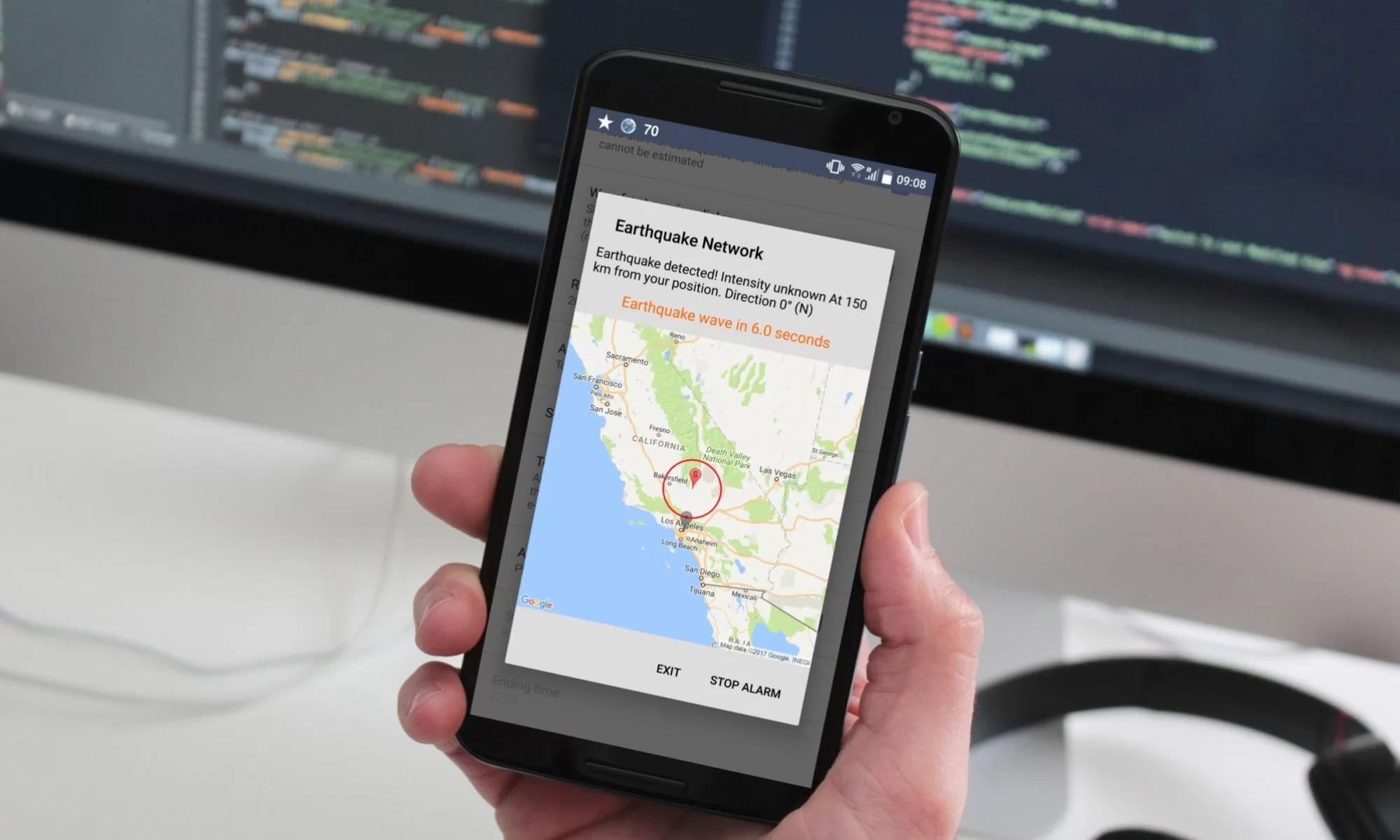
Google, in collaboration with the USGS and several California universities, has developed an early warning system that uses smartphones to detect earthquakes seconds before tremors arrive. This brief window allows for crucial safety measures, such as slowing trains or halting plane landings. The system initially relied on a network of seismometers across California but has been enhanced by utilizing the accelerometers in smartphones running Android.

These accelerometers, typically used for screen orientation and fitness tracking, are sensitive enough to function as mini seismometers. When enabled, they can send vibration data indicative of an earthquake to the Android Earthquake Alerts System. By aggregating data from thousands of phones, the system can determine the location and magnitude of an earthquake and issue alerts to users in affected areas. The alerts arrive faster than seismic waves, thanks to the speed of radio signals.

Google’s system, part of the broader ShakeAlert network, significantly improves earthquake monitoring, especially in regions lacking extensive seismometer networks. It holds promise for enhancing alerts in remote and underserved areas globally. The technology is currently available in over 90 countries with high seismic activity, although it faces limitations in areas with few phone users and in offshore quakes that could trigger tsunamis.

Despite these advances, predicting earthquakes with precision remains a challenge. Nonetheless, the integration of mobile technology into seismic monitoring represents a major step forward in disaster preparedness.

 

Could AI Replace the Need for Reading Instruction Manuals?

Many of us skip reading instruction manuals for new devices, a trend highlighted by surveys showing that up to 50% of people in the U.S. neglect to consult them. While this may be acceptable for consumers, the stakes are much higher in industrial settings, where engineers must understand machinery and systems thoroughly, especially when troubleshooting.

To address this, companies like Aveva have developed AI systems designed to read and understand complex operating manuals. For example, Aveva’s AI, currently deployed in the energy sector, can analyze thousands of sensors and access extensive technical manuals to assist engineers in diagnosing and solving problems. This AI not only offers possible solutions but also provides 3D visualizations of the machinery involved, mimicking the expertise of seasoned engineers.

This technological advancement is particularly crucial as industries face a retiring workforce, with much of the practical knowledge at risk of being lost. Aveva’s AI aims to bridge this gap by guiding less experienced workers and reducing reliance on retired experts.

Other tech companies, like Dozuki and Scribe, are also leveraging AI to create user guides automatically. These systems can generate step-by-step instructions from videos or recorded processes, simplifying the creation and dissemination of technical knowledge. While these AI-generated guides still require human review, they represent a significant shift toward more efficient and accessible knowledge transfer.

As AI continues to evolve, it could indeed render traditional instruction manuals obsolete, offering faster, more intuitive ways to access and apply technical information.


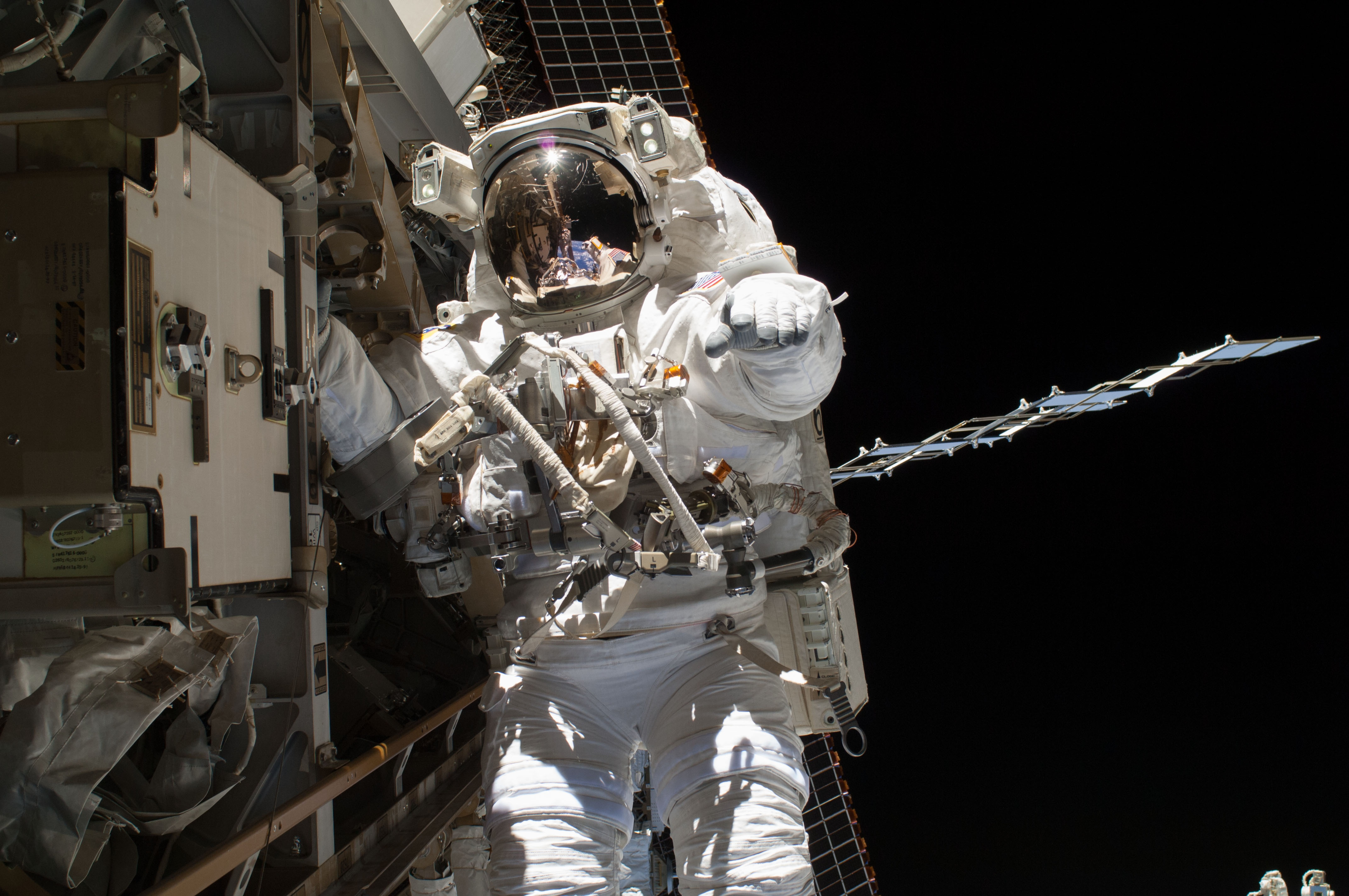
Astronauts’ Eight-Day Mission Turns into Potential Year-Long Stay on ISS

What was intended to be an eight-day mission for American astronauts Barry “Butch” Wilmore and Sunita Williams has unexpectedly turned into an indefinite stay aboard the International Space Station (ISS). The pair, who launched on June 5, are still in space nearly two months later due to issues with their Boeing Starliner spacecraft, which was meant to return them to Earth.

The Starliner, on its first crewed test flight, encountered leaks in its propulsion system and thruster malfunctions as it approached the ISS. Although the spacecraft safely docked, these problems have left NASA uncertain about its reliability for the return trip. As a result, Wilmore and Williams could remain in space until February 2025, joining a scheduled SpaceX Crew Dragon mission back to Earth.

NASA officials have yet to make a final decision, but they are considering the possibility of sending the astronauts home aboard the Crew Dragon, which would extend their stay to more than eight months. If this plan proceeds, the Starliner would return to Earth uncrewed, under computer control—a significant setback for Boeing, which is competing with SpaceX in the commercial space sector.

In the meantime, the astronauts have integrated into the ISS crew and continue their work, despite the unexpected extension of their mission. Wilmore and Williams have expressed confidence in the Starliner and have remained positive about their extended time in space. The situation, however, raises questions about the future of Boeing’s space program and the challenges of space travel.