US to Deploy Jets and Warships as Tensions Rise with Iran

The Pentagon has announced the deployment of additional warships and fighter jets to the Middle East in response to heightened tensions involving Iran and Israel. This move aims to bolster Israel’s defense against potential attacks from Iran and its allies. The decision follows recent escalations, including the assassination of Hamas leader Ismail Haniyeh in Tehran and the killing of Hezbollah commander Fuad Shukr by Israel.

Iran’s leader, Ayatollah Khamenei, has vowed retaliation against Israel for Haniyeh’s death. The Pentagon’s new deployments will enhance U.S. missile defense capabilities and ensure readiness for various scenarios. Despite the tense situation, the Pentagon maintains that it is committed to defending Israel and that a potential ceasefire deal remains a possibility.

The situation in Israel is tense, with international airlines suspending flights and Israeli forces on high alert. Recent Israeli military actions have led to significant casualties, with ongoing efforts to negotiate a ceasefire and address the humanitarian crisis in Gaza.
Ex-Google Engineers Who Founded Character.AI Rejoin Company with New AI Partnership

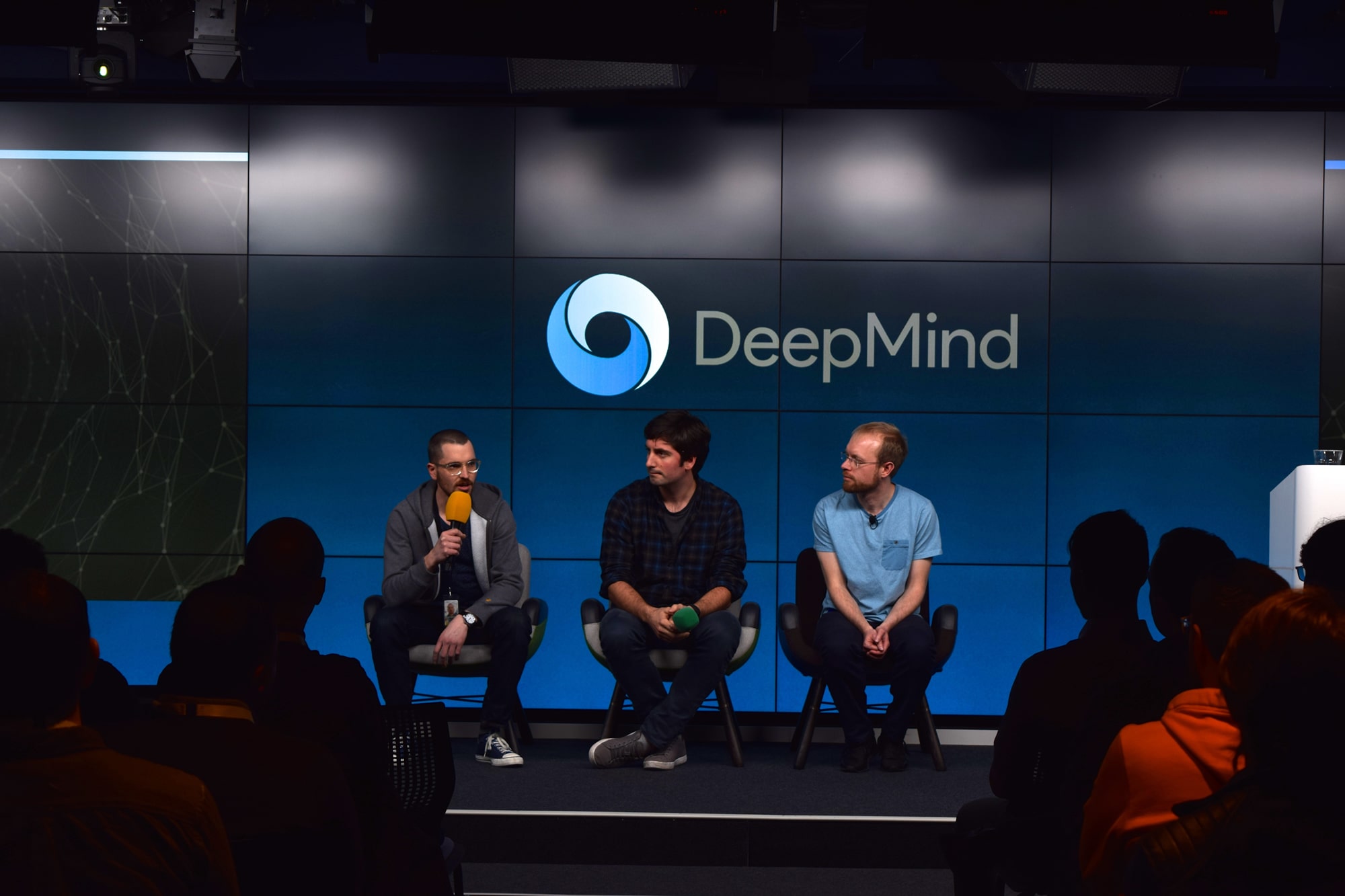
Noam Shazeer and Daniel De Freitas, who co-founded the AI startup Character.AI, are rejoining Google as part of a new collaboration with Google’s AI unit DeepMind. Character.AI, a prominent player in the AI field, uses large language models to enable users to create and interact with chatbots. Despite reaching a $1 billion valuation in its early days, the startup did not generate revenue initially but has considered offering subscription services in the future.

Shazeer and De Freitas left Google in 2021 after their attempts to advance Google’s chatbot technology were reportedly rejected. They founded Character.AI the same year. The startup has now agreed to provide Google with a nonexclusive license for its large language model technology. This partnership will allow Character.AI to secure additional funding and focus on developing personalized AI products.

The move highlights Google’s effort to strengthen its position in the competitive AI landscape, particularly as it faces increased scrutiny over its AI initiatives. The partnership is also part of a broader trend of major tech companies forming alliances and acquiring talent to enhance their AI capabilities amidst regulatory challenges. For example, Microsoft recently hired Mustafa Suleyman, co-founder of AI startup DeepMind, and U.K. regulators have scrutinized Microsoft’s acquisition of DeepMind staff.


Why You Should Avoid Using One-Time Passwords Sent by Text

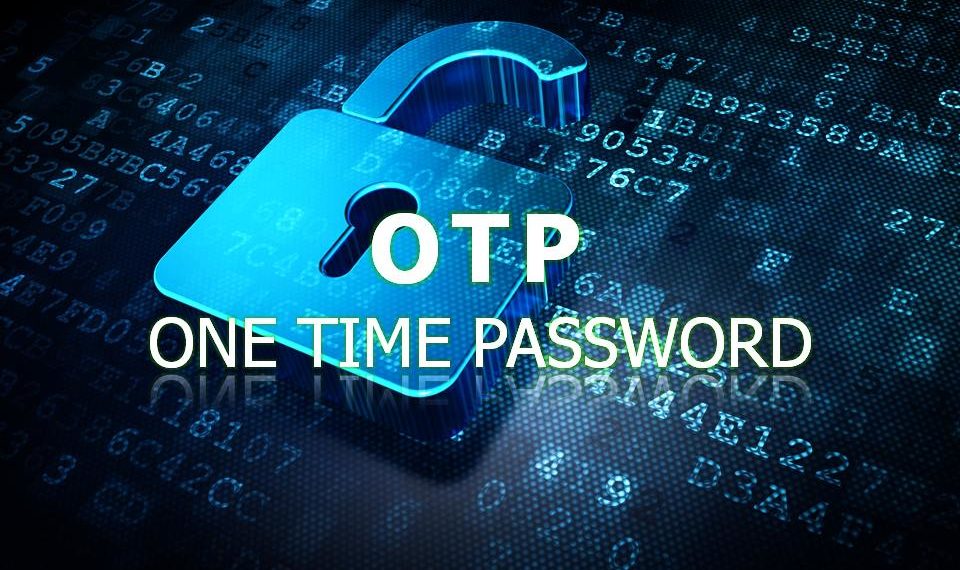
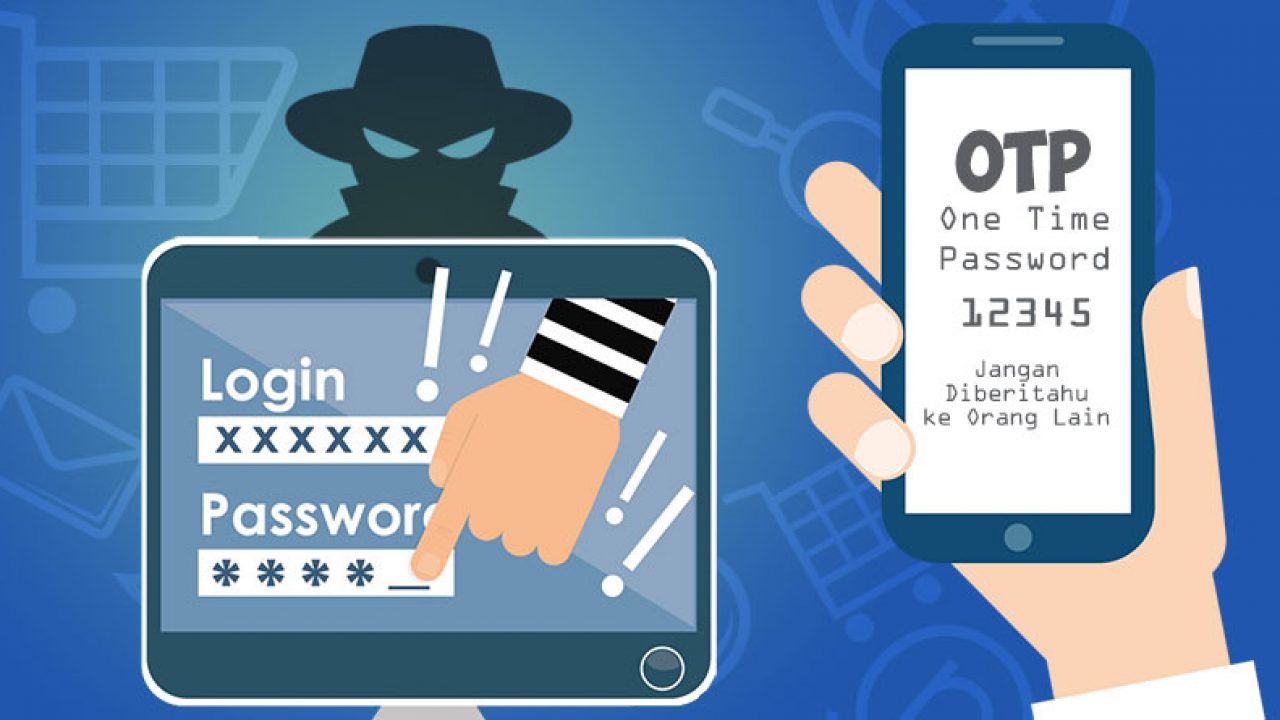
One-time passwords (OTPs) sent via text are a common method for accessing mobile apps and services, but cybersecurity experts caution against their use due to various security risks. Text-based OTPs are vulnerable to phishing, SIM swapping, and message interception, making them less secure compared to other methods.

Alternative authentication options include authenticator apps, which generate time-sensitive codes and reduce the risk of interception. However, these apps are not foolproof and can still be compromised by sophisticated phishing attacks. Mobile app push notifications offer better security by verifying identity through an app notification, but they are also susceptible to certain types of attacks.

For improved security, hardware security keys provide a more robust solution but involve additional costs and inconvenience. Multi-device passkeys offer an advanced alternative to traditional passwords and OTPs, leveraging public key cryptography to enhance security. Despite the availability of these methods, OTPs via SMS are expected to remain in use due to their cost-effectiveness and ease of use, even though they are less secure compared to newer technologies.