Britain Cancels $1.7 Billion of Computing Projects in Setback for Global AI Ambitions

The U.K. government has canceled £1.3 billion ($1.7 billion) in computing infrastructure projects, marking a significant setback to its goal of becoming a global leader in artificial intelligence (AI). The cancellations include two major taxpayer-funded initiatives:

1. AI Research Resource: A £500 million ($640 million) project aimed at enhancing the U.K.’s compute infrastructure for AI research.
2. Exascale Computer: An £800 million ($1.02 billion) commitment to develop a next-generation exascale computer at the University of Edinburgh, capable of performing one trillion calculations per second.

These projects were intended to bolster the U.K.’s high-performance infrastructure, essential for running advanced AI models requiring substantial computational power and data. However, the newly elected Labour government has decided to redirect these funds to other fiscal priorities, citing the need for difficult spending decisions across all departments to restore economic stability and support national growth.

Fiscal Challenges and Strategic Shifts

The decision comes in the wake of a projected £22 billion ($28 billion) of unfunded commitments inherited from the previous Conservative administration. British Finance Minister Rachel Reeves recently announced a series of spending cuts to address this fiscal challenge.

Despite the cancellations, the government launched an AI Opportunities Action Plan last month to identify ways to enhance the U.K.’s computing infrastructure and support its industrial strategy with AI and other emerging technologies.

Regulatory Approach and Future Plans

Prime Minister Keir Starmer’s government plans to introduce new statutory regulations for the AI industry, diverging from the previous administration’s stance of avoiding formal legislation to prevent stifling innovation. The move signals a shift in strategy as the U.K. navigates its AI ambitions under the new government.


Plaintiffs in Maui Wildfire Case Reach $4 Billion Settlement Against Hawaiian Electric and Others

Hawaii Governor Josh Green announced a $4.037 billion settlement on Friday to resolve lawsuits related to the wildfires that devastated Maui in August 2023. The settlement, pending court approval, will compensate approximately 2,200 affected parties who filed claims.

The seven defendants in the case include the state of Hawaii, County of Maui, Hawaiian Electric, Kamehameha Schools, West Maui Land Co., Hawaiian Telcom, and Spectrum/Charter Communications. Governor Green emphasized that the settlement aims to expedite compensation and avoid prolonged litigation to help those affected recover more swiftly.

Hawaiian Electric, which engaged in four months of mediation, expressed a commitment to preventing future tragedies. President and CEO Shelee Kimura stated that their objective is to ensure such an event never happens again.

Scientists Analyse Sound to Help Endangered Animals

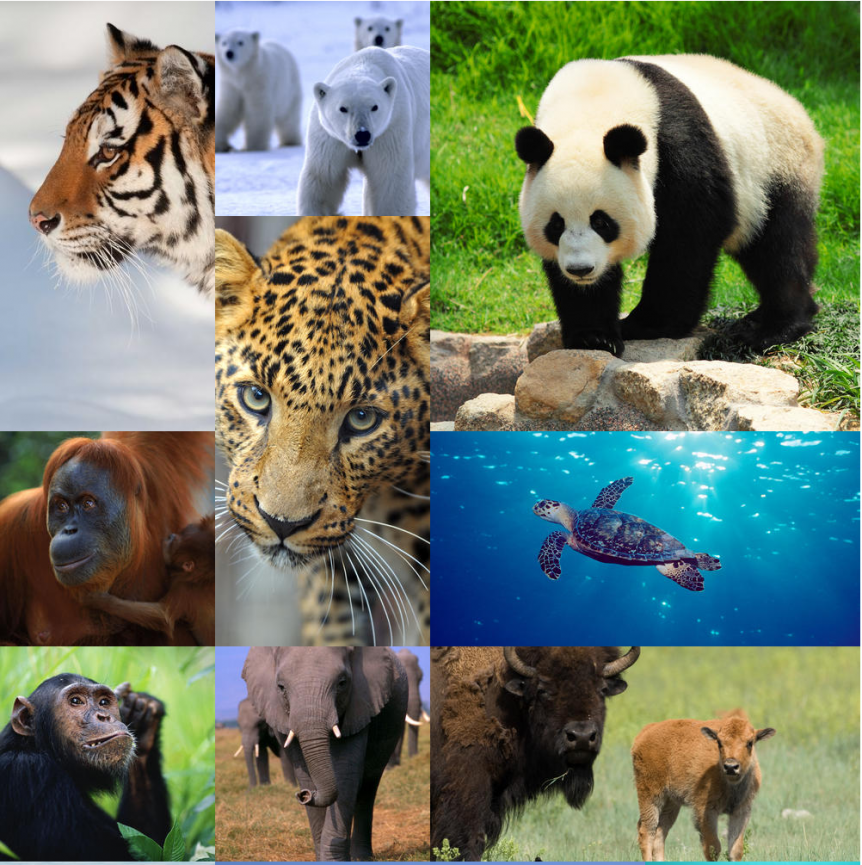
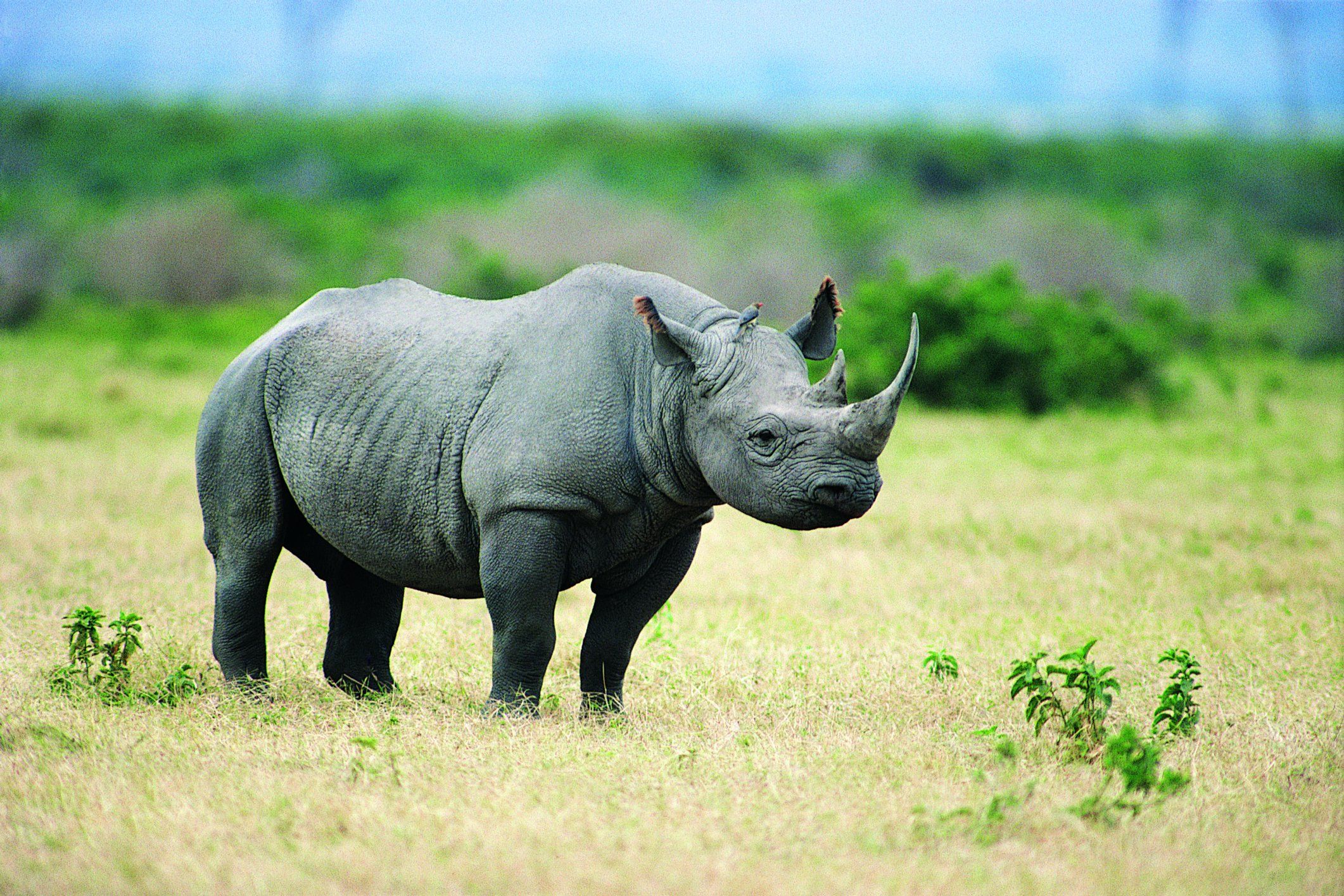
Researchers from Warwick University and Australia’s University of New South Wales are employing a novel method to analyse sounds made by endangered species, aiming to aid their conservation. The study utilizes the superlet transform (SLT), a technique adapted from brain wave analysis in neuroscience, to turn animal signals into images. This allows scientists to estimate population sizes, identify habitats, and track migration patterns.

Lead researcher Ben Jancovich emphasized the method’s accuracy and ease of use compared to traditional techniques, which often struggle with simultaneous time and frequency visualization. The SLT method is particularly effective in spotting familiar shapes and recurring patterns in animal songs.

The research has already revealed that the calls of species like the Asian elephant, southern cassowary, and American crocodile contain “pulsed” sounds. While these findings are based on single recordings and are not yet conclusive, they highlight the method’s potential in providing detailed insights into animal communication.

Understanding the impact of human-generated noise on these animals is also a key focus, with the ultimate goal of informing and improving conservation strategies for endangered species.