X-Rays Reveal Tiny Half-Billion-Year-Old Creature in Astonishing Detail

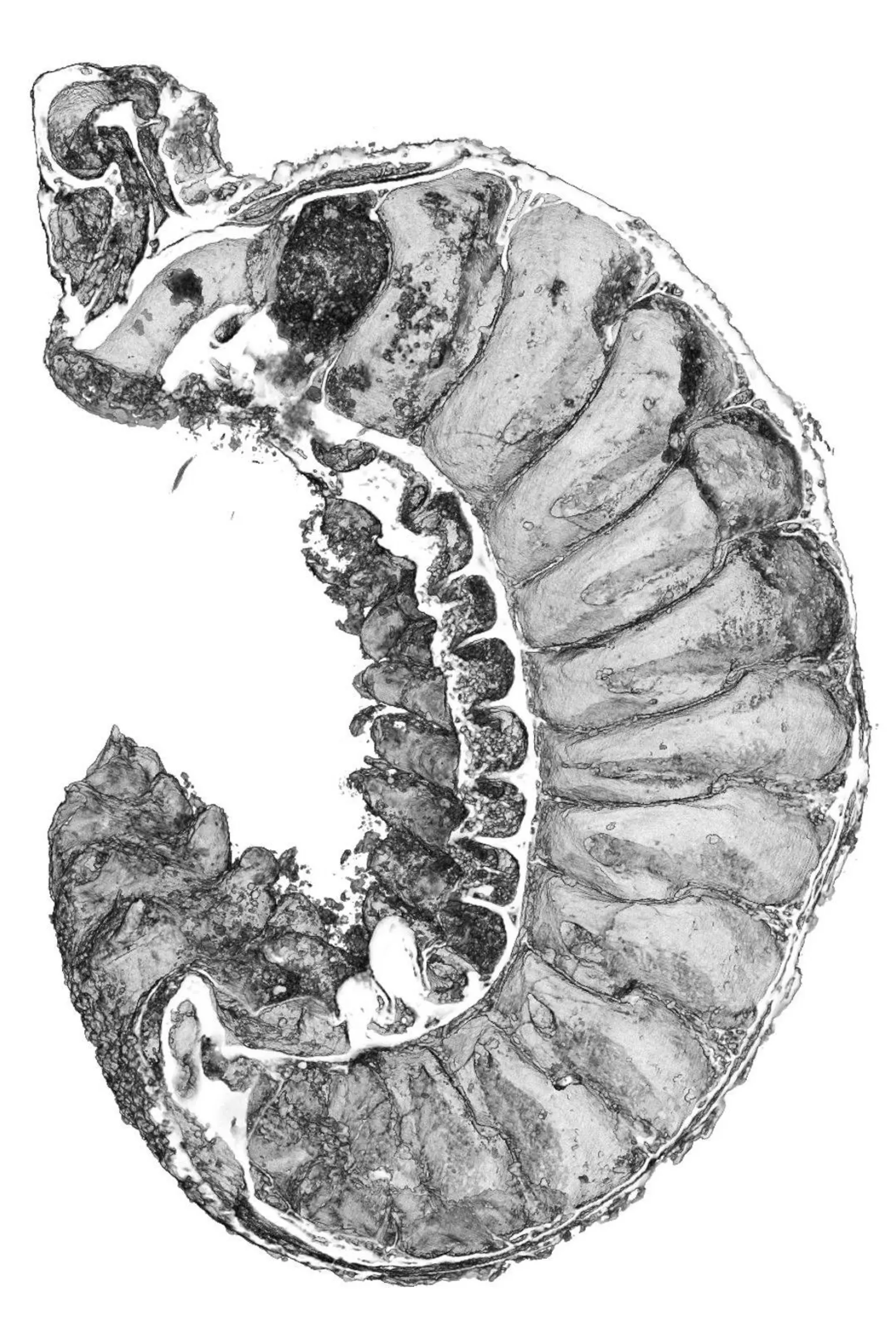
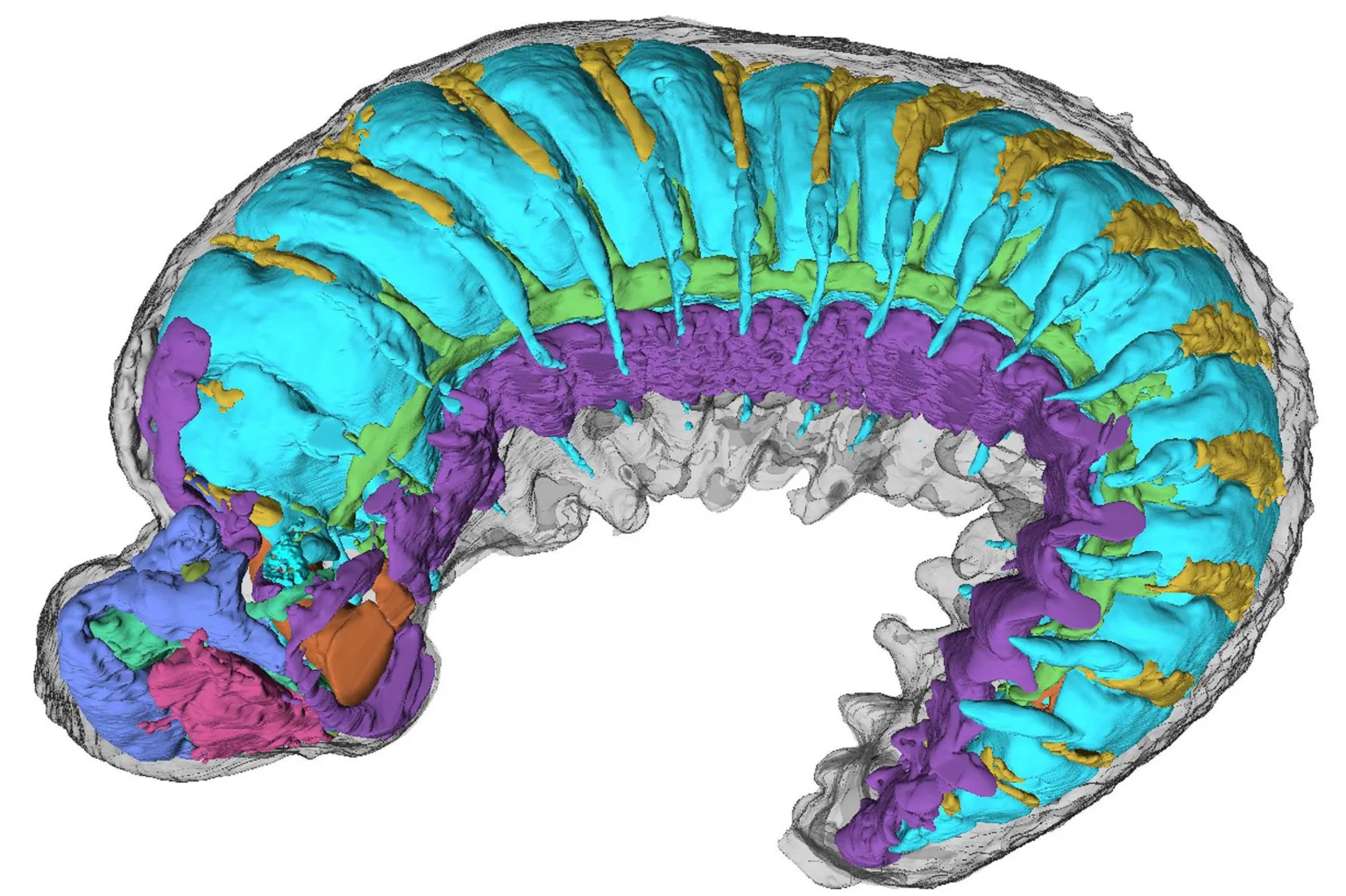
Researchers have uncovered the internal anatomy of a prehistoric creature the size of a poppy seed using powerful X-rays. The 520-million-year-old fossil reveals microscopic blood vessels and a nervous system, providing insight into one of the earliest ancestors of modern insects, spiders, and crabs. The fossil, preserved in its larval stage, offers a rare glimpse into developmental stages crucial for understanding evolutionary and developmental processes.

Lead researcher Dr. Martin Smith described the find as a dream fossil due to its preservation in an immature stage. The fossil was discovered in China among “prehistoric grit” and later scanned with intense X-rays at Oxford’s Diamond Light Source facility. The scans revealed three-dimensional images of the larva’s brain, digestive glands, circulatory system, and nerve traces, showcasing nearly perfect preservation likely due to high phosphorus concentrations in ancient oceans.


Silicon Valley Bank’s Former Owner Gains Approval to End Bankruptcy

SVB Financial Group, the former owner of failed Silicon Valley Bank, received a U.S. judge’s permission on Friday to turn over its assets to creditors and end its bankruptcy. Its bankruptcy restructuring has made provision for the creation of a trust to pursue litigation against the U.S. Federal Deposit Insurance Corporation, which seized $1.9 billion from SVB Financial’s bank accounts during Silicon Valley Bank’s 2023 collapse – one of the largest in U.S. banking history.

The battle over the seized funds will play out in a California federal court. SVB Financial has argued the cash should be returned because the FDIC had invoked a “systemic risk” exemption to protect all deposits at Silicon Valley Bank, including accounts with more than the $250,000 that the FDIC typically protects. The FDIC has countered that it did not intend to protect the bank accounts of the parent company, saying the money was legally seized to offset its costs in rescuing the bank.

Depending on the outcome of the litigation, SVB Financial’s senior bondholders who are owed $3.3 billion will be paid between 41% and 96% of what they are owed. The bondholders include MFN Partners, Pacific Investment Management Company, Bank of America Securities, JP Morgan Securities, and King Street Capital, according to court documents. As part of its bankruptcy restructuring, SVB Financial has also sold assets, spinning off its venture capital business and investment banking unit.

Lyme Disease: Rising Incidence and Diagnostic Challenges

Overview:
Lyme disease, caused by the bacterium Borrelia burgdorferi, is increasingly common due to climate change. Transmitted by tick bites, it can present a wide range of symptoms that often complicate diagnosis and treatment.

Transmission:
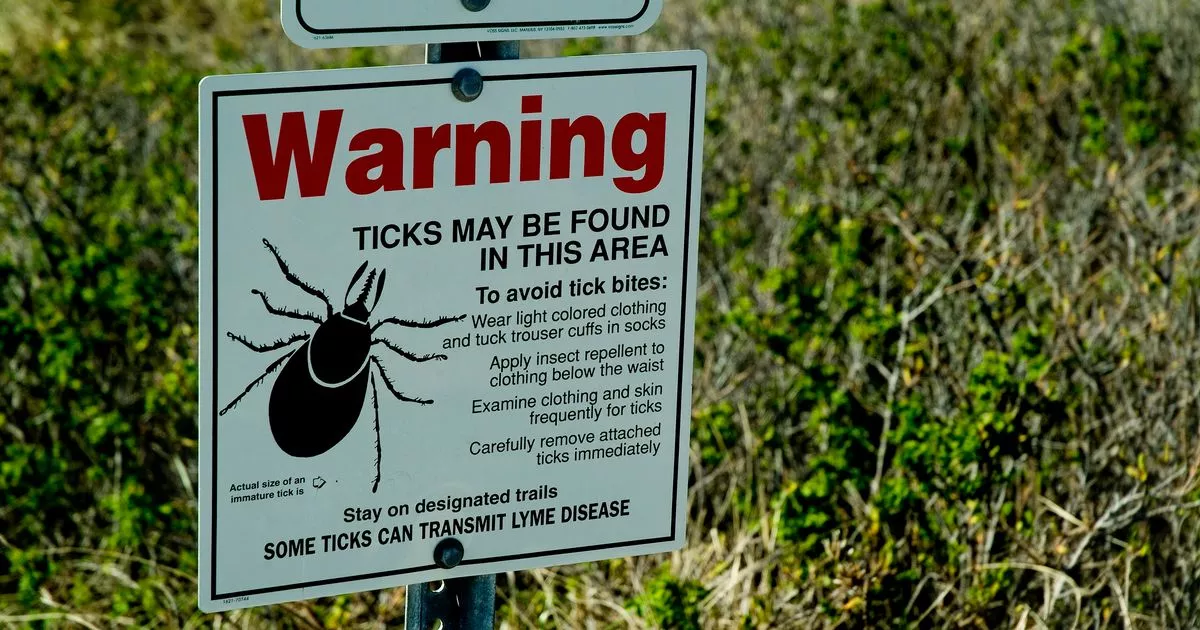
Ticks, tiny arachnids, transmit Lyme disease by injecting the bacteria into the bloodstream through a bite, often unnoticed due to their secretion of an anti-inflammatory substance.
Symptoms:

Early Symptoms:
• Erythema migrans (an expanding rash that often resembles a bullseye but can vary in appearance)
• Flu-like symptoms (fever, chills, headache, fatigue)
• Advanced Symptoms:
• Joint pain and swelling
• Neurological issues (facial paralysis, meningitis, peripheral neuropathy)
• Heart problems
• Severe fatigue
• Pins and needles in extremities

Diagnostic Challenges:
Physicians often struggle with diagnosing Lyme disease due to:

1. Variable Rash Presentation: The characteristic bullseye rash can appear differently, especially on dark skin, and is sometimes mistaken for other conditions like ringworm.
2. Symptom Diversity: Lyme disease affects multiple body systems, leading to symptoms that mimic other conditions, making diagnosis complex.
3. Early Misdiagnosis: Many patients, like Welsh rapper Ren, experience misdiagnoses such as bipolar disorder or chronic fatigue syndrome before being correctly identified as having Lyme disease.

Case Example:
A personal account describes an expanding rash that was misdiagnosed multiple times by medical professionals due to its non-bullseye appearance, delaying appropriate treatment.

Treatment:
When diagnosed early, Lyme disease is typically treated with antibiotics, leading to full recovery. However, delays in treatment can result in chronic symptoms requiring ongoing management.

Awareness and Education:
Improving awareness and education among medical practitioners about the varied presentations of Lyme disease is crucial for timely and accurate diagnosis and treatment.

Conclusion:
As Lyme disease becomes more prevalent, understanding its diverse symptoms and improving diagnostic approaches are essential to prevent long-term health issues and ensure effective treatment.