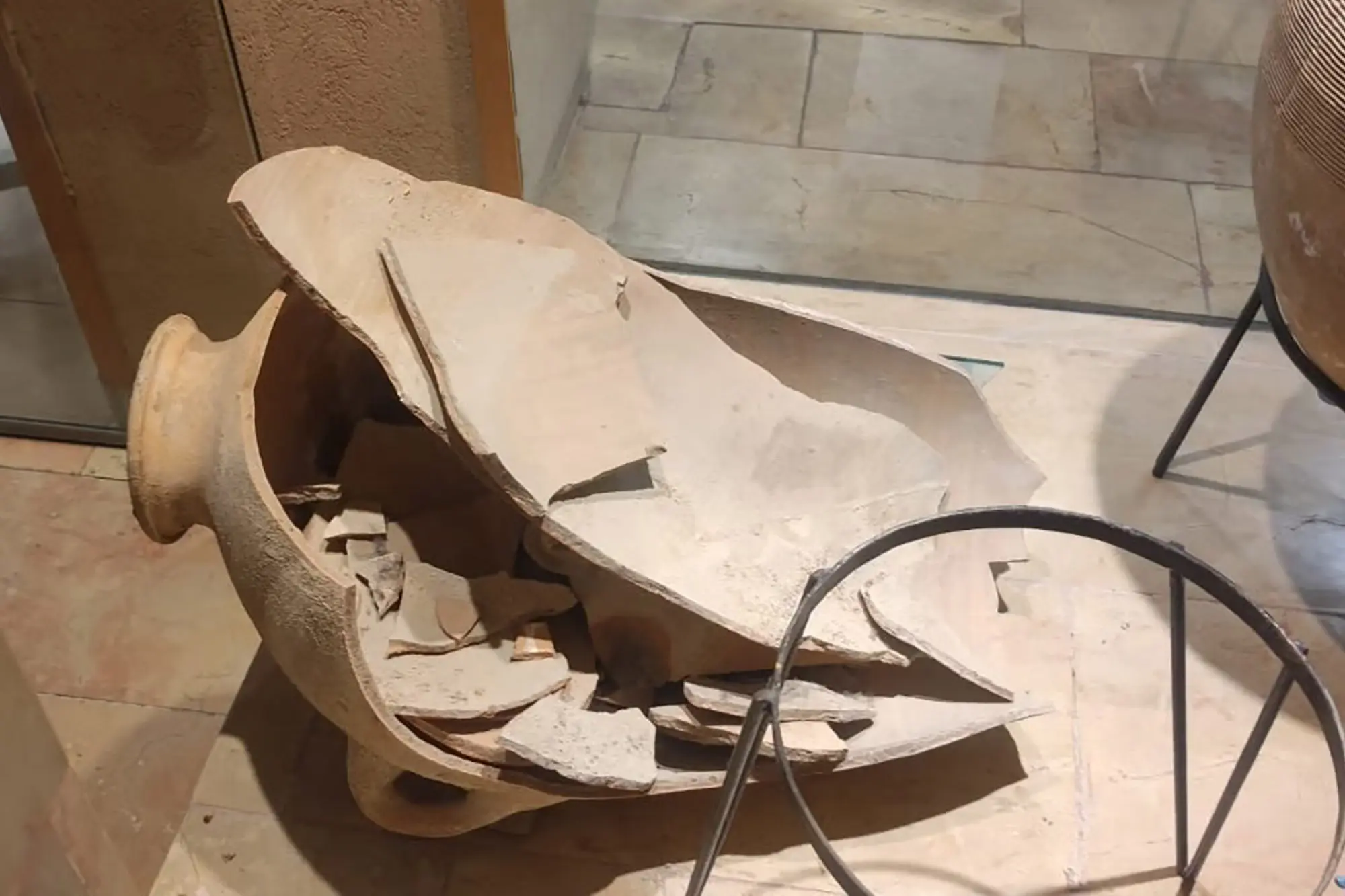
4-Year-Old Accidentally Breaks Bronze Age Jar at Israeli Museum

A 4-year-old boy accidentally shattered a Bronze Age jar at the Hecht Museum in Haifa, Israel, drawing attention to the museum’s policy on artifact display. The jar, believed to be between 3,500 and 4,000 years old, was on display without protective glass near the museum’s entrance when the incident occurred.

According to the Hecht Museum, which was founded by Reuben Hecht, displaying artifacts without glass is intended to enhance the public’s experience by allowing closer interaction with historical objects. The museum defended this practice, stating that it aligns with their philosophy of making artifacts accessible to visitors. Despite the mishap, the museum plans to continue this approach.

The child’s father explained that his son, curious about the contents of the jar, inadvertently caused it to fall and break during a visit last Friday. The father was initially shocked and did not immediately realize that his son was responsible for the damage.

The jar, which dates from between 2200 BC and 1500 BC, was used historically for storing liquids such as wine or olive oil. Its intact condition prior to the incident made it a significant find, as many similar artifacts discovered in the past were either broken or incomplete.

Museum head Inbal Rivlin invited the boy and his mother back for a private tour, emphasizing that the museum remains a welcoming place for families. She reassured the public that such incidents are part of the museum’s dynamic environment and that the broken jar will be restored and put back on display. New signage has been introduced to guide visitors on which items are touchable.

The Hecht Museum, located at the University of Haifa and opened in 1984, houses artifacts from various historical periods, including the Chalcolithic era. Restoration experts are now working to repair the jar using photographs and other documentation. The museum sees the restoration process as an educational opportunity to highlight the value of preserving historical artifacts.

New Controversy Surrounds Trump’s Arlington National Cemetery Visit

A visit by former President Donald Trump to Arlington National Cemetery this week has ignited fresh controversy, primarily centered around his campaign’s activities during the visit. Trump attended the cemetery to commemorate the third anniversary of the tragic deaths of 13 US military service members at Kabul airport’s Abbey Gate during the chaotic US withdrawal from Afghanistan in 2021.

According to Trump campaign officials, an individual physically obstructed Trump’s team from accompanying him during the visit. The cemetery confirmed that an incident occurred and a report was filed, but did not disclose further specifics. The controversy appears to stem from disputes over photography and video recording at the cemetery, which is strictly regulated.

Trump, using his Truth Social platform, implied that the dispute was related to his campaign’s use of photography. He posted a statement from the families of the fallen soldiers expressing their approval of having official documentation of the event. However, Arlington National Cemetery’s policies explicitly prohibit political campaign activities, including photography and filming for partisan purposes, within the cemetery grounds.

Federal law forbids campaign-related activities at Army National Military Cemeteries, a regulation the cemetery said it had reinforced to all participants. This includes any form of media or content creation that supports political candidates.

The situation escalated after NPR reported a “verbal and physical altercation” between Trump’s team and a cemetery official. Sources indicated that a cemetery official attempted to stop Trump’s team from filming in areas where recent casualties are buried. Trump campaign staff allegedly responded by “verbally abusing and pushing the official aside.”

Trump spokesperson Steven Cheung denied claims of a physical confrontation but confirmed that a person blocked Trump’s team from attending the ceremony. Cheung suggested that Trump’s team might have video evidence supporting their account.

Trump’s campaign manager, Chris LaCivita, defended Trump’s visit, emphasizing that it was conducted with the invitation of the Abbey Gate Gold Star Families. LaCivita criticized the actions of the individual who blocked Trump’s team as a disgrace, arguing that it was inappropriate for someone representing the cemetery.

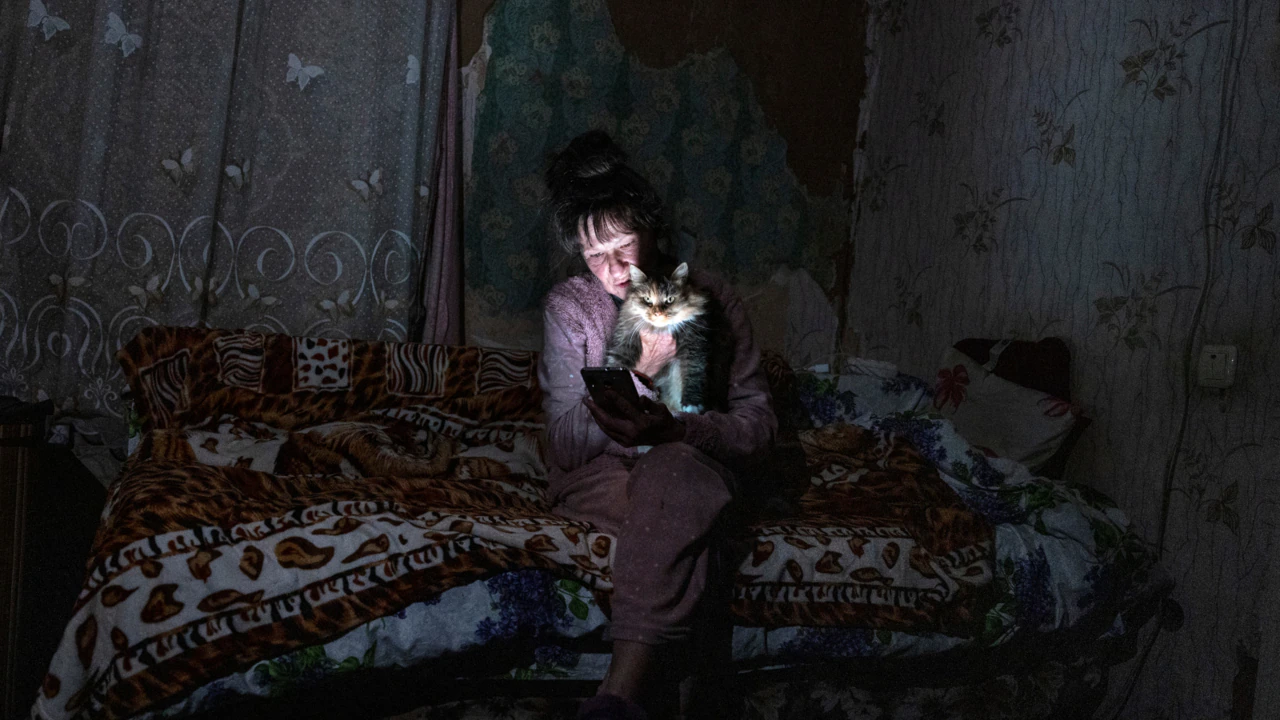
Ukrainians Brace for Harsh Winter Amidst Power Blackouts

As Russian missiles and drones struck Ukraine’s energy infrastructure on Monday, residents like Victoria Novorzhytska in Zhytomyr faced immediate power and water outages, marking a challenging start to the day. This massive attack, described as Russia’s largest aerial assault to date, resulted in widespread power disruptions, affecting millions across the country. Ukrainian authorities have reported at least 12 fatalities from the strikes, with ongoing damage assessments and recovery efforts.

The Ukrainian government, alongside major energy companies, is grappling with the severe impact on the national grid. DTEK, Ukraine’s largest private energy firm, announced rolling blackouts in major cities such as Kyiv, Odesa, Dnipropetrovsk, and Donetsk. These outages, which sometimes last up to six hours, have become a routine part of daily life, particularly worrying as the colder winter months approach. Prime Minister Denys Shmyhal emphasized the urgency of maintaining energy supply to critical infrastructure and the economy, despite the challenges posed by frequent attacks and the need for extensive repairs.

In response to the persistent threat of blackouts, Ukrainians have adapted by relying on backup power solutions. Kyiv, for example, has set up “points of invincibility” where residents can charge their devices and access the internet during outages. Many businesses and homes have invested in generators and solar panels to ensure some level of energy independence. The city’s mayor, Vitaliy Klitschko, has supported these initiatives through subsidies and tax incentives.

However, the scale of Russia’s attacks has intensified, specifically targeting key energy facilities such as thermal power plants and hydroelectric stations. This strategy aims to cripple Ukraine’s infrastructure and disrupt daily life. Legal expert Olha Matskiv from Global Rights Compliance has criticized these attacks as a tactic to deplete Ukraine’s resources and hinder its economic stability.

Despite the devastation, Ukrainian officials are implementing protective measures for their energy network, including reinforced structures designed to withstand missile strikes. Prime Minister Shmyhal noted that while these defenses have mitigated some damage, the high costs associated with such protection remain a significant concern.

As Ukraine faces this challenging winter, the ongoing conflict and attacks on its power grid underscore the resilience of its people and the critical need for continued support and adaptation.