New Tensions Emerge in the South China Sea

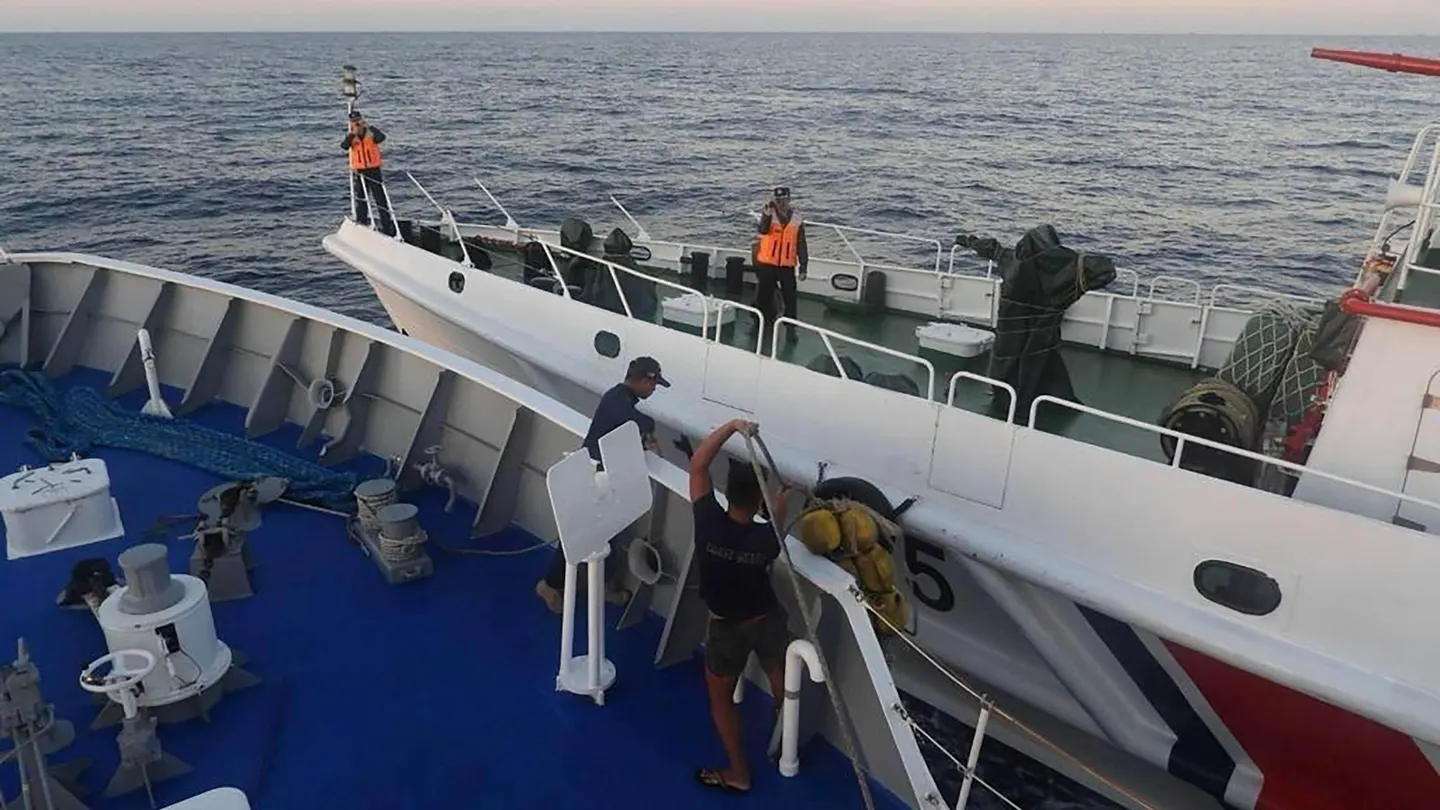
Recent clashes between Chinese and Philippine vessels near Sabina Shoal have escalated tensions in the South China Sea, undermining recent efforts to ease disputes in this strategically crucial region. Sabina Shoal, an uninhabited atoll located 86 miles from the Philippines’ west coast, has become the latest flashpoint in the ongoing maritime conflict between the two nations.

In the past week, multiple confrontations have occurred, including violent collisions and face-offs. The Philippines has accused China of deliberately ramming its ships and using water cannons against Philippine vessels. Conversely, China has blamed the Philippines for these incidents, alleging that its ships refused to comply with Chinese control and engaged in deliberate collisions.

The renewed aggression follows a temporary de-escalation agreement reached earlier this summer after violent confrontations at the Second Thomas Shoal, where Chinese coast guard personnel had aggressively blocked resupply missions to Filipino troops stationed on a grounded World War II-era ship. Despite the truce, tensions have reignited with recent incidents, including collisions involving Philippine coast guard vessels and an extensive deployment of Chinese ships to block Philippine operations.

Analysts view Sabina Shoal as a potential new conflict zone, following previous flashpoints like Second Thomas Shoal and Scarborough Shoal. The Philippine government, led by President Ferdinand Marcos Jr., is under pressure to stand firm against Chinese encroachment, while Beijing continues to assert its claims over nearly the entire South China Sea, despite an international tribunal ruling against these claims.

The situation at Sabina Shoal involves high-stakes maneuvering. The Philippines has deployed its largest coast guard vessel, the BRP Teresa Magbanua, to monitor Chinese activities and counter alleged land reclamation efforts by China. Meanwhile, China has intensified its presence in the area, including deploying one of its largest coast guard ships to assert control.

As both nations navigate these escalating tensions, the role of the United States is crucial. The U.S. has reiterated its commitment to defend the Philippines under a mutual defense treaty and is considering options such as escorting Philippine resupply missions. However, with ongoing global conflicts and domestic political considerations, the U.S. response remains cautious.

The situation at Sabina Shoal highlights the precarious balance in the South China Sea, where any miscalculation could lead to a larger conflict with significant regional and global implications.

 

Right-Wing Activist Targets Corporate DEI Programs and Social Policies

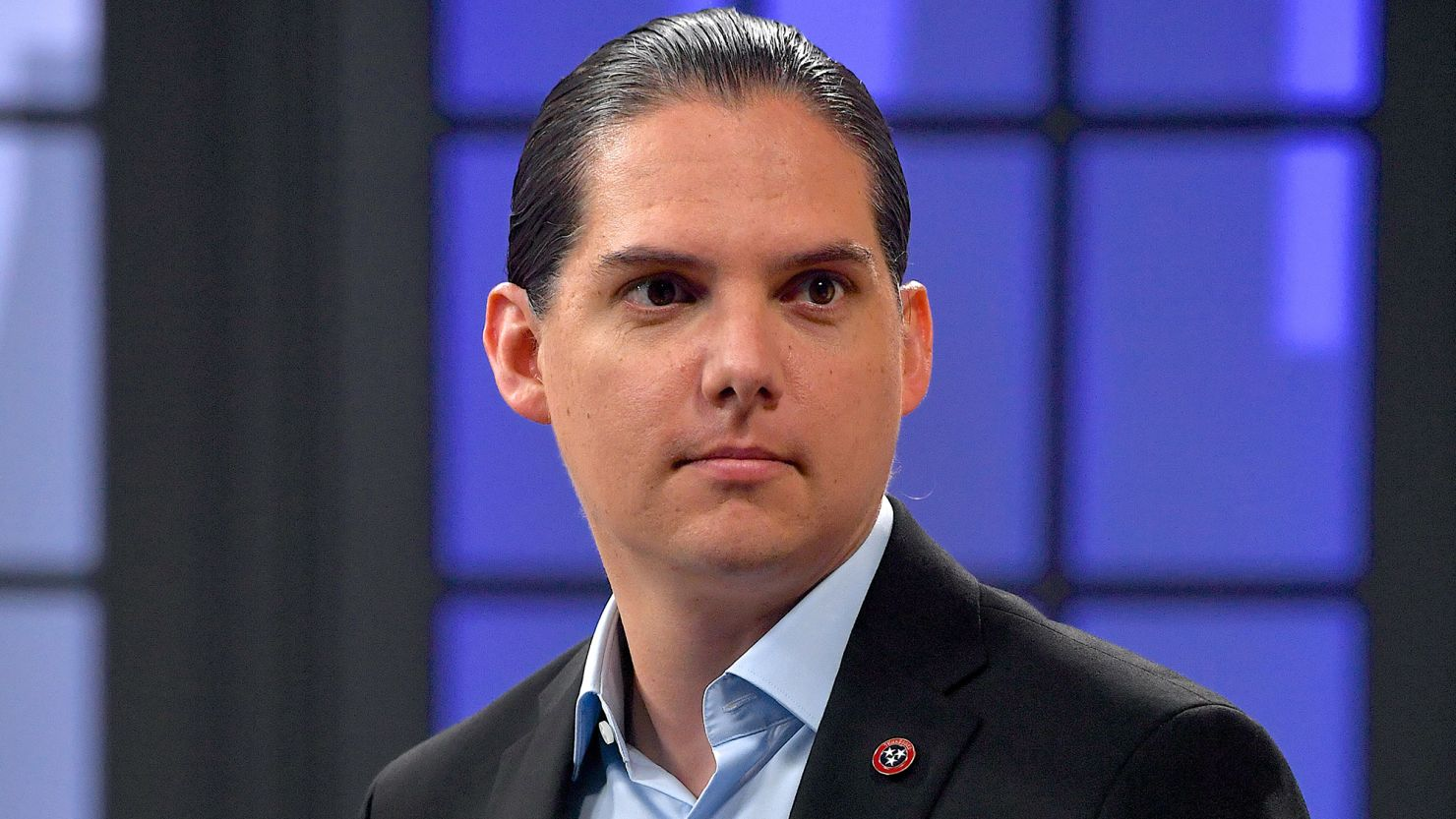
Robby Starbuck, a former Hollywood director turned conservative activist, is gaining traction by campaigning against major American brands’ diversity, equity, and inclusion (DEI) programs, LGBTQ events, and climate change policies. Leveraging online platforms, Starbuck has focused his efforts on brands like Harley-Davidson, Tractor Supply Co., and John Deere, criticizing their recent DEI initiatives and advocating for a rollback of such policies. His activism has reportedly influenced companies like Brown-Forman and Lowe’s to scale back their diversity programs.

Starbuck argues that corporate DEI initiatives are a guise for leftist agendas and that climate change policies are ineffective. His rhetoric includes controversial views on LGBTQ pride events, which he claims promote inappropriate content for children. Despite his criticism, experts note that his campaign reveals the inherent fragility of corporate DEI efforts, which can be easily disrupted by organized opposition.

Living near Nashville, Starbuck runs a significant social media presence, with over half a million followers on X, and is supported by prominent right-wing figures. His campaign aligns with broader right-wing attacks on corporate social responsibility, a trend that has seen pressure on brands like Bud Light and Disney. This movement has led to significant financial impacts and policy reversals in some cases.

Starbuck’s activism highlights a contentious debate over corporate involvement in social issues, with critics arguing that his call for “neutrality” is itself a political strategy. As companies navigate this polarized environment, they face growing scrutiny and pressure from both sides of the ideological spectrum.


European Influencers’ Photos Used for Pro-Trump Propaganda on Fake X Accounts

Debbie Nederlof, a 32-year-old German fashion influencer, is among several European women whose photos have been stolen to support pro-Trump propaganda on X (formerly Twitter). Despite having no involvement in U.S. politics, Nederlof’s images have been used to promote Donald Trump and his running mate, Senator JD Vance, misleadingly portraying her as a fervent supporter of the “Make America Great Again” movement.

Nederlof, who lives in Trier, Germany, expressed her frustration upon discovering that her photos, including those featuring her dog, were being used to push political agendas she doesn’t support. “To be honest, ‘what the f**k?’ was my reaction. I have nothing to do with U.S. politics,” she told reporters. She is one of 17 European women identified whose images have been misappropriated to fuel political disinformation on the platform.

The fake X accounts using these photos exhibit a coordinated effort to manipulate public opinion ahead of the 2024 U.S. presidential election. These accounts, often featuring images of young, attractive women, share pro-Trump and conspiratorial content, including claims about election rigging and false narratives about political figures. They also often post similar messages and hashtags, creating an illusion of widespread support for Trump.

Investigations by CNN and the Centre for Information Resilience (CIR) revealed that many of these fake accounts, which have rapidly gained followers, use stolen or AI-generated images. While X has recently removed many of these accounts, the challenge remains significant. “I’ve tried reporting these accounts, but I’ve been told there’s not enough proof,” Nederlof noted.

This incident highlights broader concerns about the misuse of personal images online and the effectiveness of current safeguards. Despite X’s policies against impersonation and intellectual property theft, the platform has struggled to address the issue effectively. The Digital Services Act in the European Union aims to regulate such problems, but enforcement remains a challenge.

The use of these images for political purposes underscores a troubling trend in online manipulation and highlights the ongoing risks of foreign interference in democratic processes. The European influencers affected by this misuse of their images emphasize the need for better protections and accountability from social media platforms to prevent such abuses in the future.