
Why the Value Meal is Making a Comeback

Amid rising fast-food prices and growing consumer sentiment that fast food has become a luxury, major chains like McDonald’s, Burger King, and Wendy’s are reintroducing value meals to attract cost-conscious customers. A recent LendingTree survey found that nearly 80% of Americans perceive fast food as a luxury and are dining out less frequently.

To counteract this trend, these fast-food giants are reviving their value meal offerings, reminiscent of past strategies that emphasized affordability. This move has sparked what analysts describe as a “value menu war,” as chains vie to lure back budget-conscious diners.

Sara Senatore, a senior analyst at Bank of America Securities, notes that the focus on value is a return to familiar industry practices. “Value has always been crucial in this industry,” she explains. “We’re seeing a bit more of a return to normal.”

Early indications suggest that the strategy is effective. McDonald’s, for instance, reports increased customer traffic and has extended its value meal promotions. Restaurant analysts predict that these value deals will persist to continue drawing in cost-sensitive consumers while encouraging purchases of regular-priced items.
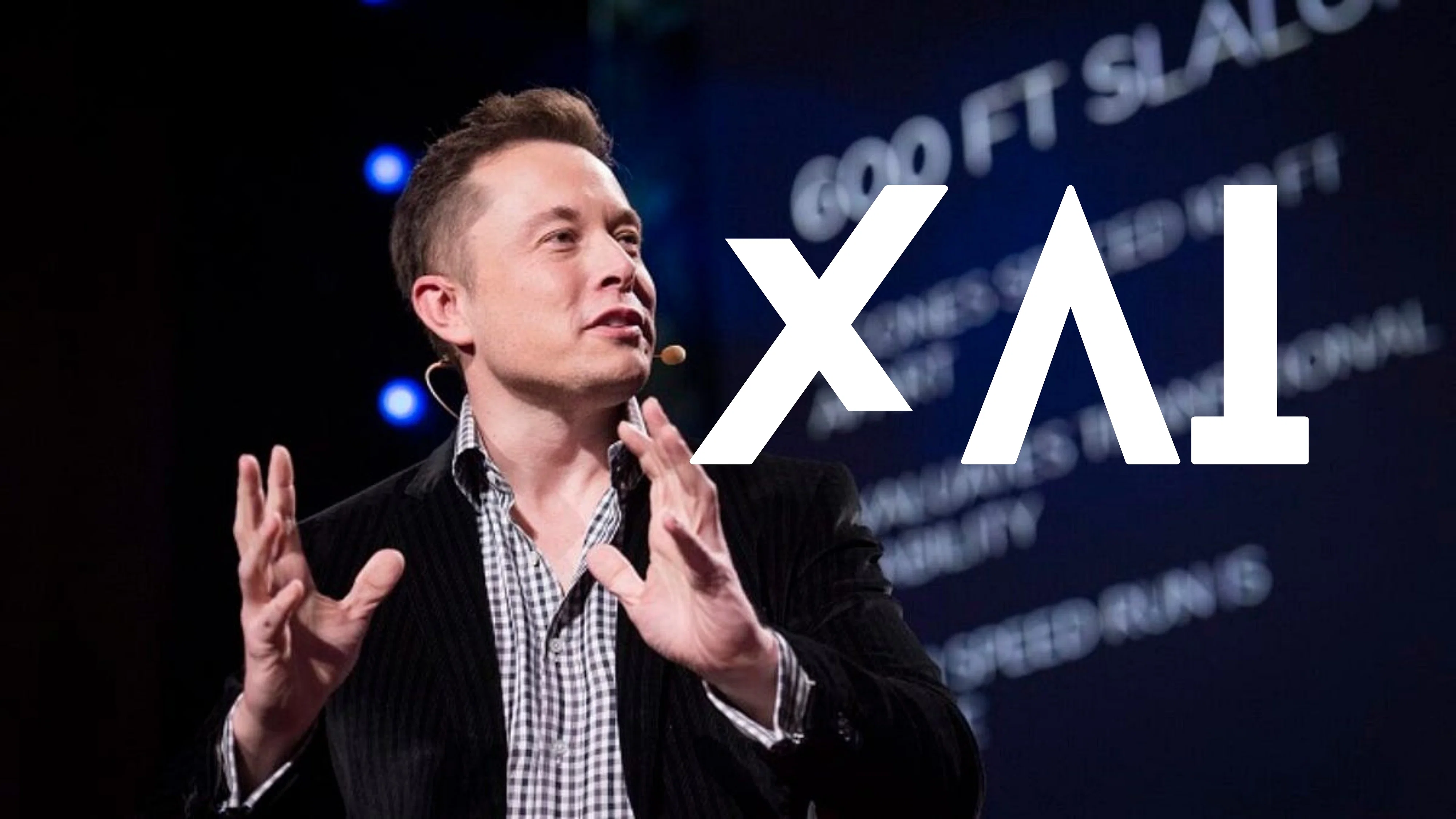
 

xAI Faces Allegations of Escalating Memphis Smog with Unpermitted Gas Turbines

Elon Musk’s artificial intelligence venture, xAI, is under scrutiny for exacerbating air pollution in Memphis, Tennessee, due to the use of unlicensed natural gas turbines at its newly established data center. Environmental and health advocates have raised concerns about the facility’s impact on local air quality, citing the turbines’ emission of nitrogen oxides (NOx), which contribute to the region’s smog issues.

Opened in June within a former Electrolux factory, xAI’s data center has been utilizing at least 18 gas turbines to power its operations, despite lacking the necessary permits. The Southern Environmental Law Center, representing various local groups, has requested an investigation from the Shelby County Health Department and the Environmental Protection Agency. They highlight the turbines’ role in adding to Memphis’s persistent smog problem, which has earned the area an “F” grade from the American Lung Association.

While xAI plans to transition to power supplied by Memphis Light, Gas and Water (MLGW) and the Tennessee Valley Authority, the utility has only begun providing part of the required 150 megawatts of power. This transition includes infrastructure upgrades to accommodate the increased demand.

Musk, who also leads Tesla and SpaceX, launched xAI in 2023 to develop AI technologies intended to rival those from major players like Google and Microsoft. The company’s data center requires substantial power for its AI models, including the new chatbot Grok.

The turbines, some visible from public roads, are said to emit significant levels of NOx, which can irritate respiratory systems and lead to serious health problems. Permits for such equipment are typically mandated in Tennessee to regulate emissions and ensure environmental safety. However, xAI’s turbines, with a combined capacity to emit 130 tons of NOx annually, have reportedly not been subjected to these regulatory measures.

Advocates express frustration over the lack of transparency and public input regarding the xAI project, emphasizing its already substantial environmental and health impacts. This situation follows a pattern of Musk-led ventures facing similar regulatory issues, including SpaceX’s unpermitted wastewater discharges and The Boring Co.’s unauthorized wastewater releases.


Russia Warns of Global Conflict Risks Over Ukraine Strikes

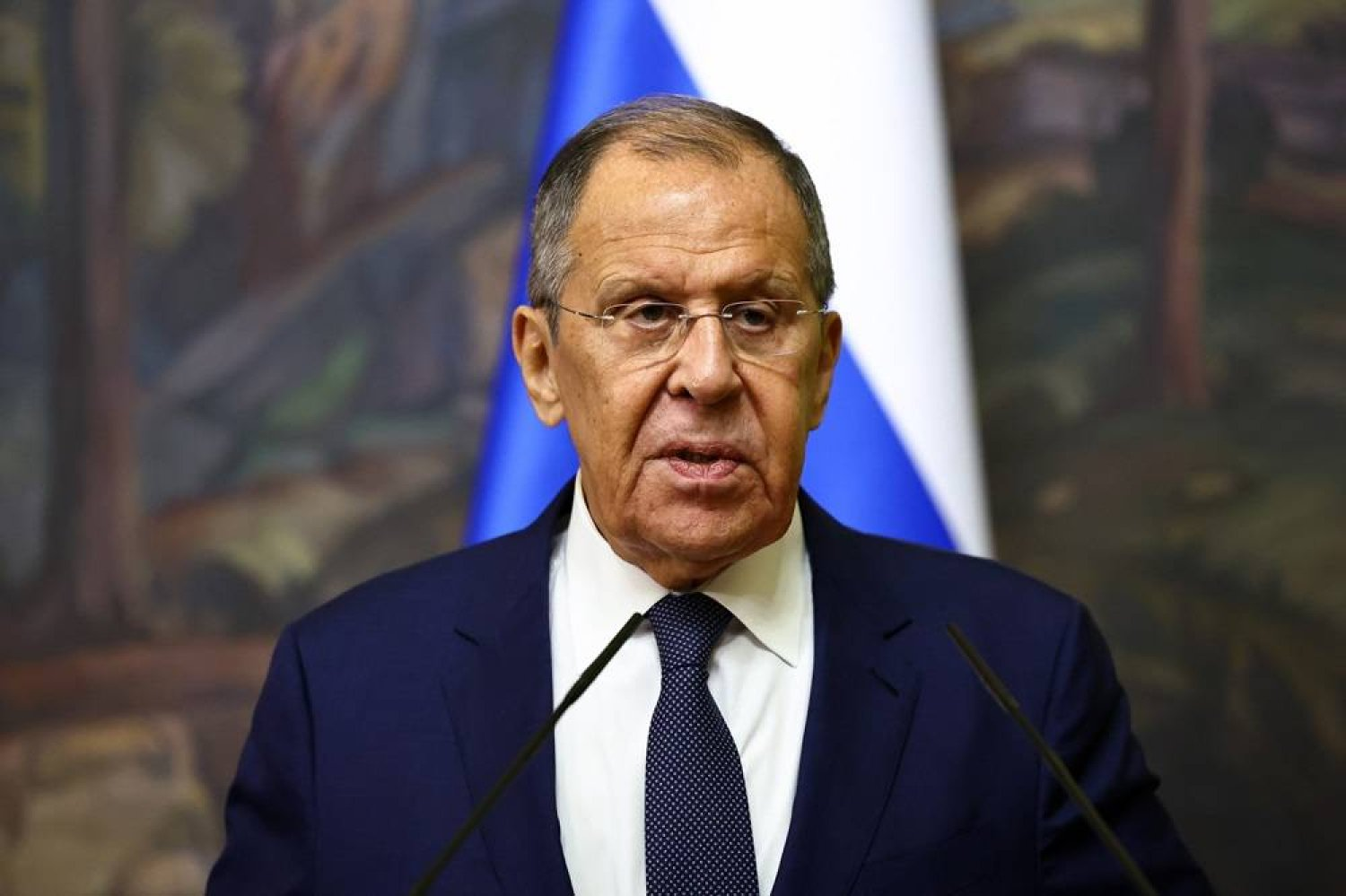
Russia has issued a stark warning to the United States and Western allies, cautioning that the potential escalation of the Ukraine conflict could lead to a broader, global confrontation. On Tuesday, Russian Foreign Minister Sergei Lavrov criticized Western considerations of permitting Ukraine to use Western-supplied missiles for deep strikes into Russian territory, arguing that such actions could trigger a dangerous international conflict.

The warning follows a significant attack by Ukraine on Russia’s Kursk region on August 6, marking one of the largest foreign assaults on Russian soil since World War II. Russian President Vladimir Putin has promised a “worthy response” to the attack, and Lavrov has accused the West of seeking to escalate the war and “asking for trouble” by relaxing restrictions on Ukrainian military operations.

Lavrov emphasized that Western nations, particularly the United States, are underestimating the risks of a wider conflict. He warned that the consequences of a global war would not be confined to Europe, despite what some in the U.S. might believe. “Playing with fire—like small children with matches—is very dangerous for those entrusted with nuclear weapons,” Lavrov stated.

In response to the ongoing conflict, Russia is reportedly reassessing its nuclear doctrine, which allows for nuclear weapon use in response to attacks that threaten the existence of the state. Lavrov’s comments reflect heightened concerns about the potential for nuclear escalation.

Ukrainian President Volodymyr Zelenskiy has downplayed Russian threats, arguing that Moscow’s retaliation promises are bluffs. Zelenskiy has called on Western allies to be more decisive in their support for Ukraine, pointing out that current restrictions on weapon usage limit Ukraine’s ability to strike critical Russian military targets.

Russia has accused Ukraine of employing Western weaponry, including British tanks and U.S. HIMARS rocket systems, in its assault on Kursk. Kyiv has confirmed the use of U.S. missiles to target bridges in the region. Despite Washington’s assertions that it was unaware of the Ukrainian plans prior to the attack, Russia’s intelligence chief Sergei Naryshkin and Deputy Foreign Minister Sergei Ryabkov have claimed that U.S. involvement in the operation is evident. The New York Times reported that the U.S. and Britain provided Ukraine with satellite imagery and other intelligence to aid in tracking Russian reinforcements following the attack.